
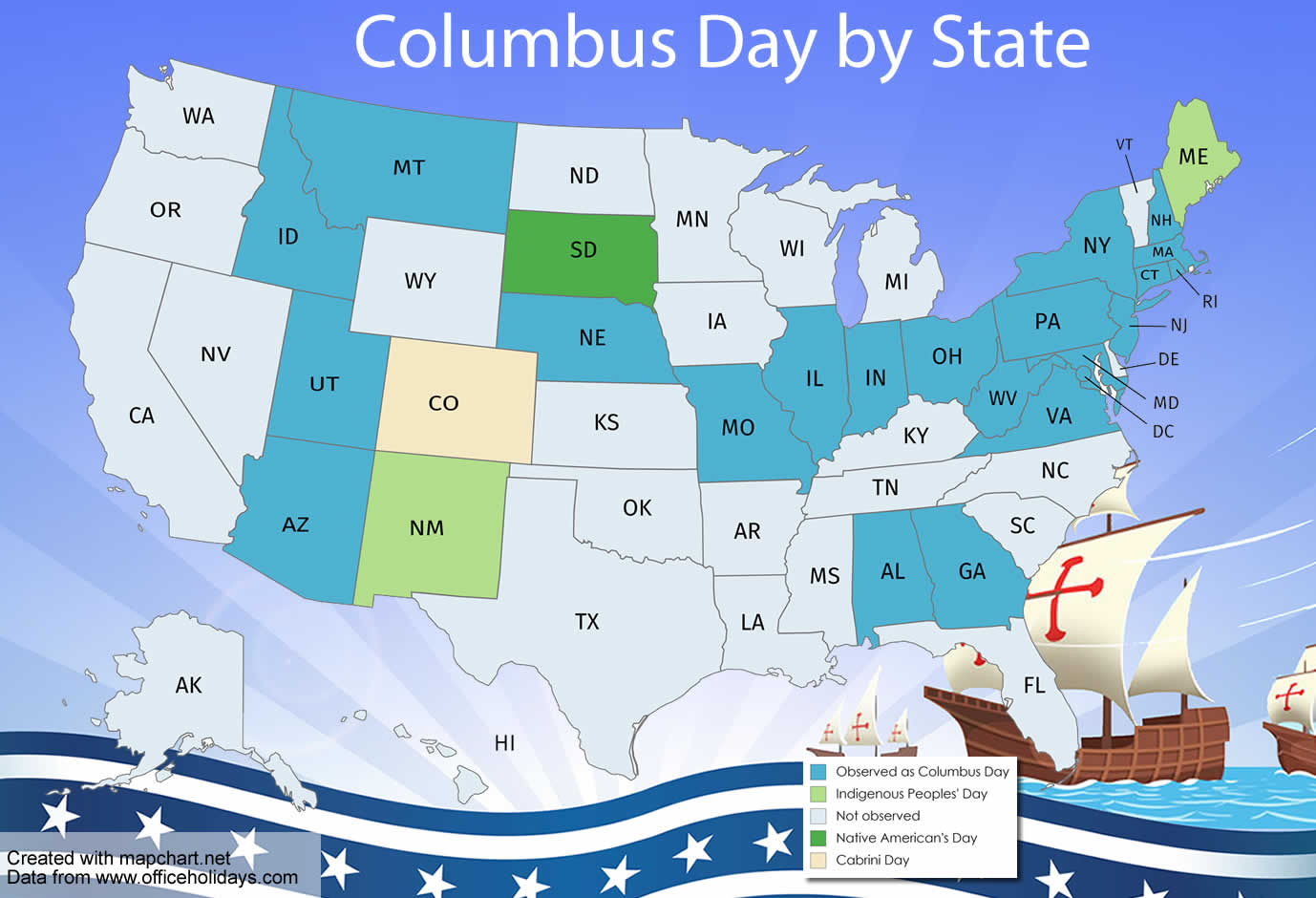
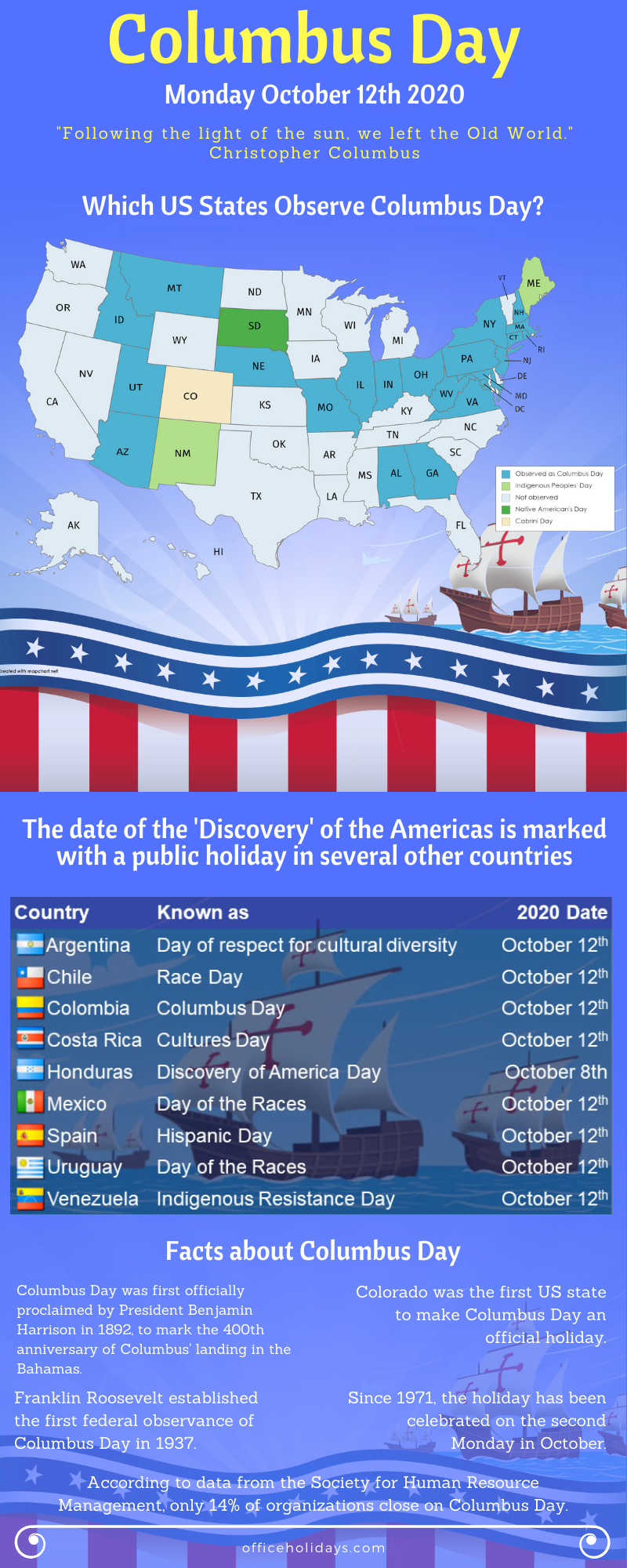
The question of whether Columbus Day is a federal holiday in California is more nuanced than a simple yes or no. While it remains a federally recognized holiday across the United States, its observance varies significantly at the state and local levels. In California, the answer is a resounding “no” when it comes to state-level recognition. Instead, a growing number of cities and counties within the Golden State, along with the state itself, have shifted their focus to observe Indigenous Peoples’ Day. This evolving landscape reflects a broader cultural reevaluation of historical narratives, impacting everything from civic calendars to travel experiences and lifestyle choices for residents and visitors alike.
For travelers exploring California, understanding this distinction is key to navigating the state’s unique rhythm. While federal offices and some banks might be closed on the second Monday of October, the vast majority of businesses, state services, schools, and tourist attractions operate as usual. This article delves into the specifics of Columbus Day’s status in California, explores the profound shift towards Indigenous Peoples’ Day, and offers insights for planning your travels and experiences in a state that prides itself on diversity, history, and forward-thinking cultural perspectives. We’ll examine how this cultural shift influences travel planning, accommodation choices, and opportunities to engage with California’s deep and rich Indigenous heritage, offering a unique blend of historical reflection and modern exploration.
The Shifting Sands of Observance: Columbus Day vs. Indigenous Peoples’ Day in California
The journey of Columbus Day in California is a prime example of a state grappling with its historical narrative and the diverse perspectives of its population. While officially designated as a federal holiday in 1937, commemorating the arrival of Christopher Columbus in the Americas, its interpretation has evolved dramatically over the decades, particularly in states like California with significant Indigenous populations and progressive social movements.
The Federal Stance and California’s Independent Path
Federally, Columbus Day remains a recognized holiday, meaning federal government offices are closed, federal employees have the day off, and most federal banks observe the holiday. This applies nationwide, including within California. However, states have the autonomy to decide whether to adopt federal holidays at the state level. California does not observe Columbus Day as a state holiday. This means state government offices, public schools, and the majority of state-regulated businesses operate on a normal schedule.
The rejection of Columbus Day by California and many other states stems from a critical re-evaluation of Christopher Columbus’s legacy. For many, particularly Indigenous communities, the arrival of Columbus symbolizes colonization, violence, disease, and the profound disruption of Native American cultures and societies. This perspective has fueled a movement to replace Columbus Day with Indigenous Peoples’ Day, a day dedicated to celebrating the history, culture, and resilience of Native American communities.
Impact on Daily Life and Travel
For travelers and residents in California, this distinction has practical implications. On the second Monday of October, you’ll generally find that public transportation runs on its regular schedule, most shops and restaurants are open, and state-run attractions like state parks and museums welcome visitors without special holiday hours. The only noticeable difference might be the closure of post offices and federal courthouses.
Many prominent cities and counties in California have officially adopted Indigenous Peoples’ Day. Berkeley was famously one of the first cities in the nation to do so in 1992. Since then, major metropolitan areas like Los Angeles, San Francisco, Oakland, and others have followed suit, recognizing the day with proclamations, cultural events, and educational initiatives. While this may not translate into a day off for most people, it signifies a powerful cultural shift and an opportunity for reflection and learning. Travelers visiting these areas during this time may encounter local events or educational programs focused on Indigenous cultures, offering a richer and more authentic cultural experience than a standard holiday closure. This cultural observance provides a unique lens through which to explore California’s diverse cultural tapestry.
Exploring California’s Rich Indigenous Heritage: A Tourist’s Perspective
The shift from Columbus Day to Indigenous Peoples’ Day in California underscores a profound commitment to acknowledging and celebrating the state’s original inhabitants. For visitors, this evolving cultural landscape presents an incredible opportunity to delve into the rich and diverse heritage of California’s Indigenous peoples, enriching any travel itinerary with meaningful cultural immersion and historical understanding.
Cultural Immersion and Educational Travel Experiences
California is home to more distinct Native American tribes than any other state in the U.S., each with its unique languages, traditions, and histories. Engaging with this heritage offers a powerful counter-narrative to colonial perspectives and opens doors to deeper understanding.
One excellent starting point is to visit one of the many cultural centers and museums dedicated to Native American history. The Autry Museum of the American West in Los Angeles offers extensive exhibits on the diverse cultures of the American West, including a significant focus on California’s Indigenous peoples. In Palm Springs, the Agua Caliente Cultural Museum provides insights into the Cahuilla people’s history and enduring traditions, a crucial part of the region’s identity. Further north, the California State Indian Museum in Sacramento offers a comprehensive look at the state’s Native cultures through artifacts, traditional tools, and historical photographs.
Travelers seeking direct engagement can explore areas near various reservations or ancestral lands, always respecting local customs and private property. Many tribes, such as the Chumash along the central coast or the Pomo in Northern California, actively work to preserve and share their heritage through cultural events, art installations, and educational programs. Look for local pow-wows or cultural festivals, especially around Indigenous Peoples’ Day, which often feature traditional dances, music, storytelling, and artisan crafts. These experiences provide not just entertainment, but a valuable insight into living traditions.
Nature, Landmarks, and Preserved Lands
Many of California’s most stunning natural landmarks and protected areas hold profound significance for Indigenous communities. Visiting these sites offers an opportunity to connect with the land through an Indigenous lens, understanding the deep spiritual and practical relationship between the people and their ancestral territories.
Yosemite National Park is a prime example. While globally renowned for its majestic waterfalls and granite cliffs, it is also the ancestral home of the Ahwahneechee people. Learning about their history within the valley, their place names for various formations, and their traditional stewardship of the land enriches the visitor experience immensely. Similarly, Joshua Tree National Park, with its unique desert landscape, has deep connections to the Cahuilla, Chemehuevi, and Serrano peoples, who lived and thrived in this harsh environment for millennia.
Beyond national parks, numerous state parks and cultural preserves across California offer trails and interpretive signs that highlight Indigenous history. For instance, the Redwood National and State Parks contain sacred sites of the Yurok, Tolowa, and Karuk tribes, whose lives have been intertwined with these ancient forests for countless generations. Engaging with these sites provides a deeper appreciation for the ecological wisdom and cultural resilience of California’s first peoples, transforming a scenic visit into a truly educational and reflective journey. This approach to travel allows visitors to not only see the beauty of California but also understand its foundational cultural layers.
Planning Your California Getaway: What to Expect on Indigenous Peoples’ Day (or Columbus Day)
For those planning a trip to California in mid-October, understanding the state’s unique approach to Columbus Day and Indigenous Peoples’ Day is crucial for seamless travel planning. Unlike federal holidays that often result in widespread closures and crowded travel routes, this period in California presents a different set of dynamics, offering both opportunities and considerations for visitors.
Accommodation and Booking Considerations
Since Indigenous Peoples’ Day is not a state holiday and Columbus Day does not lead to widespread closures, accommodation options in California generally remain abundant and operate under normal business hours. You won’t typically encounter the surge pricing or fully booked situations often associated with long weekend federal holidays. This means it can be an excellent time to find competitive rates on a variety of lodging options, from luxury resorts in Napa Valley or boutique hotels in San Diego to family-friendly suites near Disneyland Resort or budget-friendly apartments for an extended stay.
When booking your stay, it’s always wise to check directly with your chosen hotel or resort, such as the Ritz-Carlton, Laguna Niguel for coastal luxury or the Kimpton Everly Hotel in Hollywood for an urban escape, especially if you have specific service needs. While federal institutions like banks may be closed, hotel front desks and services will be fully operational. The absence of a major state holiday rush allows for more flexibility in choosing preferred rooms, amenities, and locations, catering to various travel styles and budgets. For those interested in extended stays, many vacation rentals and apartment-style accommodations also maintain their regular availability without holiday surcharges.
Activities, Dining, and Experiences
The good news for travelers is that virtually all major attractions, theme parks, museums, restaurants, and shopping districts across California will be open and fully operational on the second Monday of October. This provides an excellent opportunity to experience the state’s offerings without the peak holiday crowds.
You can comfortably plan a day at Universal Studios Hollywood, explore the vibrant culture of San Francisco’s neighborhoods, or enjoy the natural beauty of the state parks without encountering widespread closures. Restaurants, from Michelin-starred establishments to casual beachfront cafes, will be serving their regular menus. This allows travelers to fully immerse themselves in California’s renowned food scene and explore local culinary delights without disruption. Consider exploring farmers’ markets for fresh produce or engaging in local food tours that highlight regional flavors.
For those interested in the cultural aspect of Indigenous Peoples’ Day, check local city calendars for events, lectures, or special museum exhibits that might be commemorating the day. Many cultural institutions use this time as an opportunity for education and celebration of Native American heritage, offering unique insights and enriching experiences beyond typical tourist activities.
Lifestyle Choices: From Budget to Luxury
The non-observance of Columbus Day as a state holiday in California impacts various travel lifestyles differently. For budget travelers, it means less competition for deals and potentially lower costs on flights and accommodation compared to other federal holiday weekends. You can stick to your planned itinerary without unexpected closures or increased prices for essential services.
For luxury travelers, this period offers a serene escape. High-end resorts and exclusive experiences, such as wine tastings in Sonoma Valley or spa treatments in Beverly Hills, are likely to be less crowded than during peak holiday periods, allowing for a more personalized and tranquil experience. Business travelers will also appreciate the continuity of services and operations, ensuring that meetings and work schedules remain uninterrupted.
Whether your lifestyle leans towards adventurous exploration, cultural immersion, or simply relaxation, the mid-October period in California provides a consistent and enjoyable travel environment. The focus on Indigenous Peoples’ Day also encourages a more thoughtful and engaged form of tourism, inviting visitors to appreciate the deeper historical and cultural layers of the destination they are exploring.
Conclusion
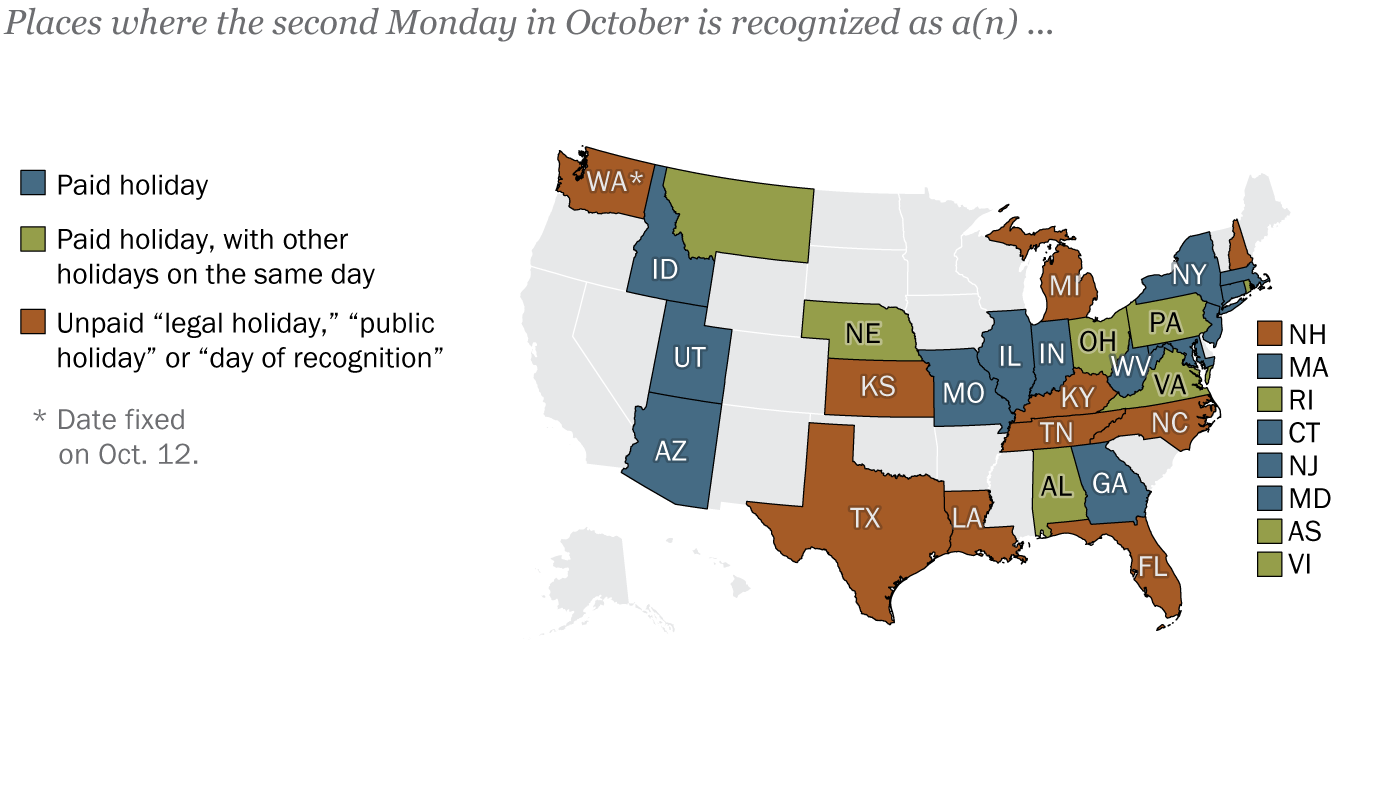
In summary, while Columbus Day remains a federal holiday in the United States, it is not observed as a state holiday in California. This distinction has significant implications for how the day is experienced across the Golden State. Instead, California has progressively embraced Indigenous Peoples’ Day, a day dedicated to honoring the history, cultures, and contributions of its native inhabitants. This cultural shift reflects a broader societal movement towards historical truth and reconciliation.
For travelers, this means that the second Monday of October in California largely operates as a regular weekday. Most businesses, state offices, schools, and tourist attractions remain open, offering an uninterrupted travel experience. This absence of widespread holiday closures can make it an opportune time to visit, avoiding the typical crowds and potential price surges associated with long weekend holidays. Moreover, it presents a unique opportunity for cultural immersion, allowing visitors to engage with California’s rich and diverse Indigenous heritage through museums, cultural centers, and historical sites. By choosing to visit during this time, travelers can not only enjoy the state’s world-renowned destinations but also partake in a more thoughtful and educational journey, contributing to a deeper understanding of California’s profound and multifaceted story.
LifeOutOfTheBox is a participant in the Amazon Services LLC Associates Program, an affiliate advertising program designed to provide a means for sites to earn advertising fees by advertising and linking to Amazon.com. Amazon, the Amazon logo, AmazonSupply, and the AmazonSupply logo are trademarks of Amazon.com, Inc. or its affiliates. As an Amazon Associate we earn affiliate commissions from qualifying purchases.