
Venturing through the sun-kissed landscapes and vibrant cities of California offers an unparalleled tapestry of experiences, from its iconic landmarks to its world-renowned culinary scene. For tourists meticulously planning their trip to the Golden State, understanding the nuances of local expenses, particularly sales tax on food, is a crucial step towards effective budgeting and a smooth travel experience. Unlike some states where a blanket sales tax applies to almost all purchases, California’s approach to taxing food items is a patchwork of rules and exemptions, largely dependent on the type of food and where it’s purchased. This guide aims to demystify food taxation in California, providing practical insights for visitors keen to explore its diverse gastronomic offerings without unexpected financial surprises.
Decoding California’s Sales Tax on Food for Tourists
The fundamental principle governing food taxation in California is designed to differentiate between basic necessities and prepared meals or convenience items. This distinction significantly impacts how tourists should approach their food budgeting, whether they plan to cook their own meals or indulge in the state’s vibrant restaurant culture.
The General Rule: Unprepared Food Exemption
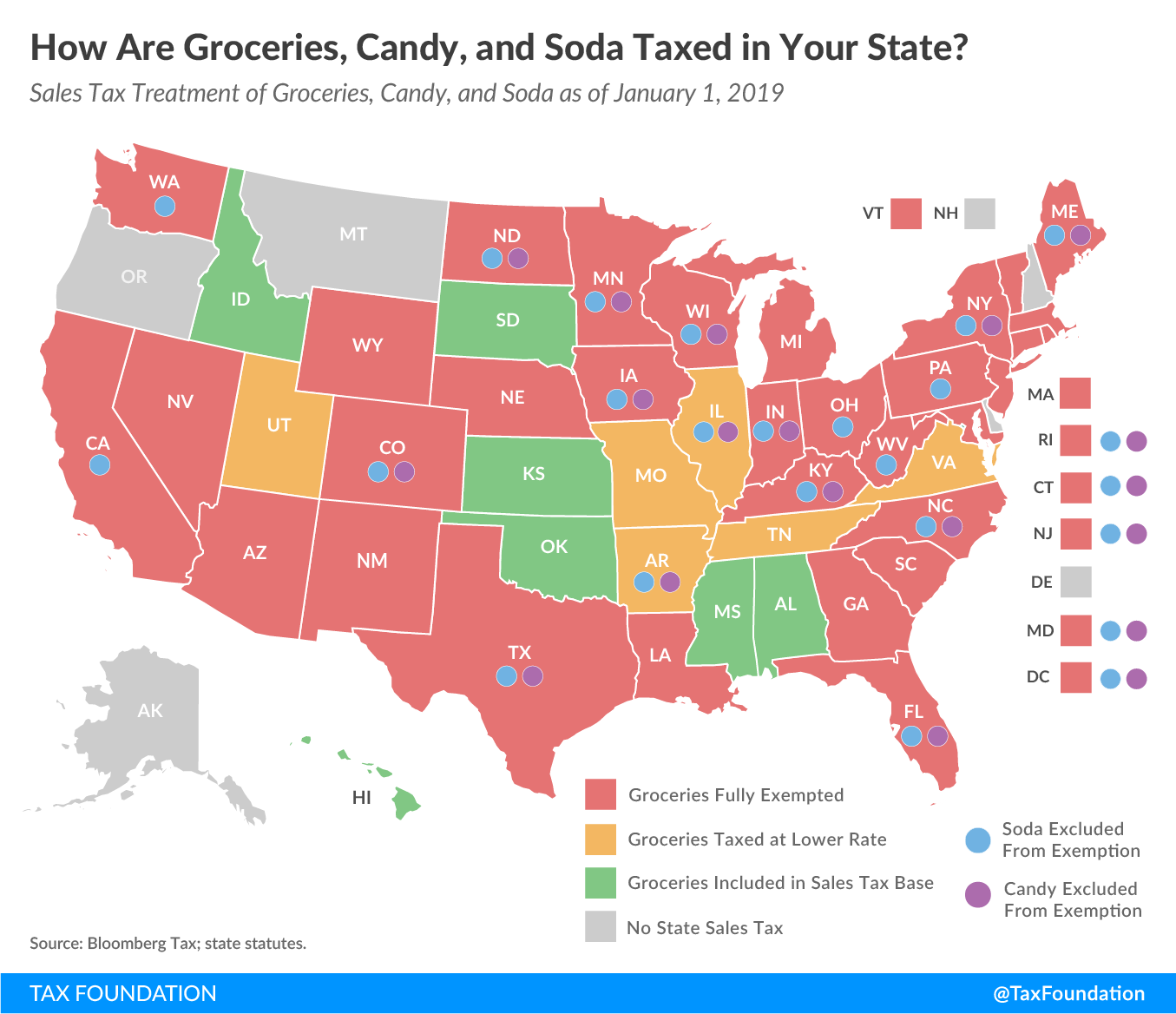
At its core, California exempts most unprepared food products intended for consumption at home from sales tax. This means that when you visit a grocery store, supermarket, or even a local market, staple items like fresh fruits and vegetables, uncooked meats, dairy products, bread, eggs, and most packaged goods (e.g., cereal, pasta, canned goods) are typically not subject to sales tax. This exemption is a significant advantage for tourists who opt for accommodations with kitchen facilities, such as vacation rentals or extended-stay hotels. By purchasing groceries and preparing some of their own meals, visitors can substantially reduce their overall food expenditures, making their travel budget stretch further while still enjoying fresh, local produce. It empowers travelers to embrace a more economical approach to dining, providing flexibility and control over their daily expenses, and offering a taste of local living beyond just dining out.
When Groceries Become Taxable
While the unprepared food exemption is broad, there are specific instances where even items purchased at a grocery store can become taxable. The key factor often revolves around whether the food is considered “prepared” or intended for “immediate consumption.” Examples include:
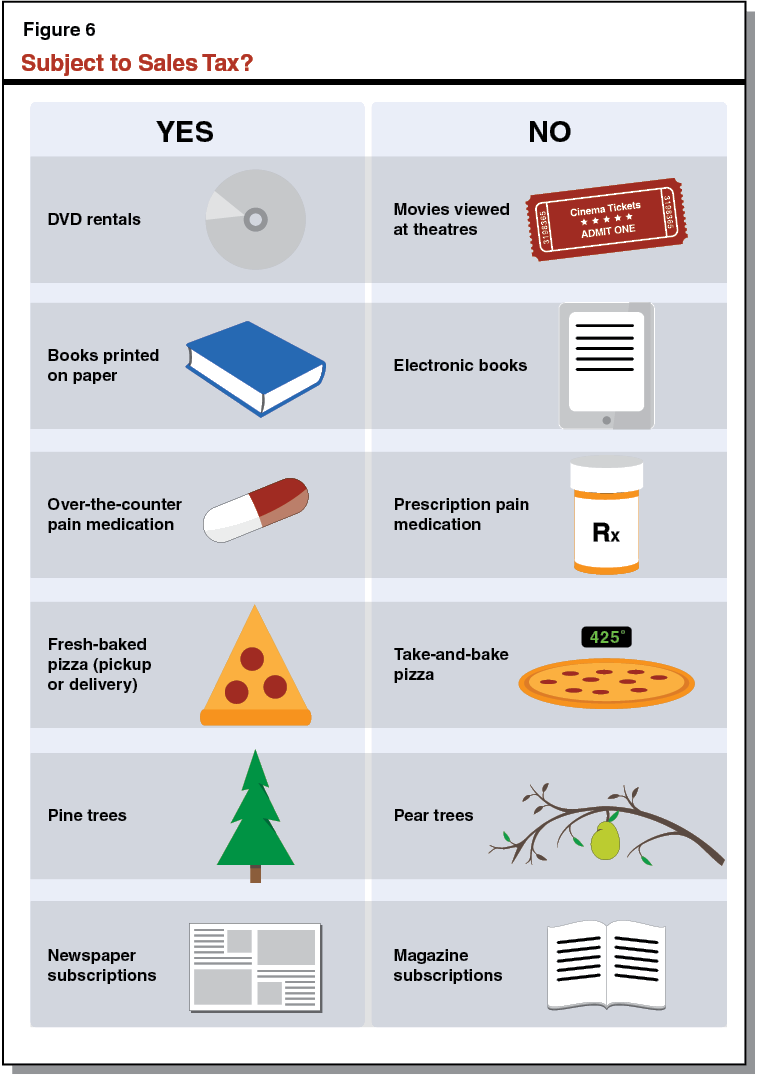
- Hot Prepared Food: Any food sold hot, such as a rotisserie chicken from a deli counter, hot coffee, or prepared soups, is generally subject to sales tax. The act of heating and preparing it makes it a taxable item.
- Prepared Cold Food: Items like deli sandwiches, pre-made salads, or sushi platters sold at a grocery store for immediate consumption are also typically taxed. If the item is ready to eat and packaged for convenience, it often falls under the “prepared food” category.
- Certain Snack Items: While many snack foods like potato chips or cookies might seem exempt, some specific items are explicitly taxed. Candy, for example, is generally taxable, as are carbonated beverages and certain other sweetened drinks. The distinction can sometimes be nuanced, leading to confusion, but generally, if it’s considered a “snack” or “treat” rather than a meal component, it has a higher likelihood of being taxed.
- Food Sold for Consumption on the Seller’s Premises: If a grocery store has an in-store café or a seating area where customers are encouraged to eat their purchases, those items—even if otherwise exempt—might become taxable because they are consumed on the seller’s premises.
Understanding these distinctions is vital for tourists. A quick trip to a convenience store for a hot coffee and a pastry before sightseeing in San Francisco will incur sales tax, whereas buying ingredients for a homemade breakfast at a supermarket will likely not. Being aware of these rules helps in making informed choices and avoiding surprises at the checkout counter.
Dining Out in the Golden State: What to Expect
California’s culinary landscape is world-class, offering everything from Michelin-starred restaurants to casual beachside cafes. However, enjoying these gastronomic delights inevitably means encountering sales tax on your bill.
Restaurant Meals and Takeout: Always Taxed
Without exception, all meals purchased at restaurants, cafes, fast-food establishments, food courts, and even food trucks are subject to California sales tax. This applies whether you dine in, take your food to go, or order delivery. The sales tax is applied to the total cost of the food and beverages purchased, excluding any service charges or tips that might be added separately. The statewide base sales tax rate in California is 7.25%, but local district taxes are added on top of this, causing the effective sales tax rate to vary significantly across cities and counties. For instance, dining in popular tourist hubs like Los Angeles, San Francisco, or San Diego will mean paying a higher combined sales tax rate, sometimes reaching 9.5% or even 10.25% in certain areas. This variable rate is a key consideration for tourists, as a meal that costs $50 in one city might end up being a few dollars more after tax in another, seemingly similar location. Always check the local sales tax rate for your specific destination to accurately estimate your dining expenses.
Understanding Service Charges and Gratuities
Beyond sales tax, tourists should also be aware of service charges and the local tipping culture, which can add to the total cost of dining out. A service charge is an additional fee, often a fixed percentage, that some restaurants automatically add to the bill. This is particularly common for large parties or in certain high-tourism areas and can be separate from, or sometimes replace, the expected gratuity. For instance, in cities like San Francisco or Santa Monica, some establishments might implement a service charge to support employee benefits or a living wage. It’s crucial to review your bill carefully to see if a service charge has been added, as this will influence your decision regarding an additional tip.
Gratuities, or tips, are customary in California restaurants to acknowledge good service. The standard practice is to tip 15-20% of the pre-tax bill, though many diners opt for 20% for excellent service. Unlike sales tax, tips are not mandatory in most establishments but are a significant part of service industry workers’ income. Tourists should factor both sales tax and customary gratuities into their dining budget to avoid any awkward situations or unexpected costs, ensuring a respectful and smooth experience within California’s hospitality sector.
Practical Implications for Your California Travel Budget
For any tourist, a well-planned budget is the cornerstone of an enjoyable trip. Understanding California’s food tax policies can unlock significant savings and help you make smarter financial decisions on the go.
Budgeting for Food: Groceries vs. Dining
One of the most impactful ways to manage your food budget in California is by strategically balancing grocery shopping with dining out. If your accommodation includes a kitchen, consider utilizing it for breakfast and a few dinners. Purchasing untaxed groceries for these meals can lead to substantial savings compared to eating every meal at a restaurant, where sales tax (and tip) will always apply. For example, a family staying in San Diego for a week could save hundreds of dollars by preparing breakfasts and packing lunches from grocery store finds.
Alternatively, planning a mix of experiences—splurging on a few memorable restaurant meals and supplementing with budget-friendly options—allows you to enjoy the full spectrum of California’s culinary offerings without overspending. This hybrid approach helps stretch your travel dollars further, ensuring you have funds left for attractions, activities, and souvenirs.
Navigating Different Local Sales Tax Rates
As mentioned, the combined sales tax rate in California varies by city and county. This means the exact amount of tax you pay on prepared food can differ based on your location. Major tourist destinations often have higher rates due to additional district taxes. For instance, while the state base rate is 7.25%, the combined rate can climb to 9.25% in Oakland, 10.25% in Berkeley, or hover around 9-9.5% in parts of Los Angeles and San Francisco.
Before your trip, it’s a good practice to quickly check the current sales tax rates for the specific cities you plan to visit. This awareness will help you avoid surprises when paying for restaurant meals or prepared foods, enabling more accurate budgeting for your culinary adventures across the state.
Smart Spending Tips for Foodies
To truly savor California’s food scene without breaking the bank, consider these practical tips:
- Look for Happy Hour Deals: Many restaurants offer discounted appetizers and drinks during specific hours, often in the late afternoon. This is a great way to sample local flavors at a reduced cost.
- Utilize Grocery Stores for Quick Meals: Beyond full meals, grocery stores are excellent for picking up quick, untaxed items like fresh fruit, yogurt, bread, and cheese for a picnic lunch or snacks on the go.
- Take Advantage of Complimentary Breakfasts: If your hotel offers a free breakfast, always take advantage of it. It’s an easy way to save on one meal per day.
- Prioritize Splurge Meals: Instead of dining out lavishly every night, select one or two high-end restaurants for an unforgettable experience and balance it with more affordable, yet delicious, options like casual eateries or food trucks.
- Order Water: Bottled water can quickly add up. Ask for tap water at restaurants, which is generally free and safe to drink, especially if you’re dining on a budget.
By implementing these strategies, you can enjoy the bounty of California’s food culture while keeping your travel budget in check.
Exploring Beyond the Plate: Food Experiences and Local Culture
California’s food scene is not just about restaurants; it’s deeply interwoven with its local culture, agricultural heritage, and innovative spirit. Exploring these facets often presents unique, sometimes tax-friendly, opportunities for tourists.
Farmers’ Markets: A Tax-Friendly Option
Visiting a farmers’ market is an quintessential California experience, offering a vibrant glimpse into local agriculture and community life. These markets are a fantastic way for tourists to purchase fresh, seasonal produce directly from growers, and most of these raw ingredients are exempt from sales tax. Beyond the tax savings, farmers’ markets provide an immersive cultural experience, allowing visitors to interact with local farmers, sample artisanal products, and soak in the lively atmosphere.
Iconic markets like the Ferry Building Marketplace in San Francisco or the Santa Monica Farmers Market are not just places to buy food; they are destinations in themselves. While prepared foods or hot items purchased at these markets from specific vendors will still be taxed, buying fresh fruits, vegetables, baked goods (if not prepared for immediate consumption), and other raw ingredients typically offers a tax-free benefit. It’s an excellent way to support local businesses, enjoy high-quality food, and potentially save some money on your food expenses.
Food Trucks and Street Vendors: Know the Rules
California is famous for its vibrant food truck scene, especially in cities like Los Angeles and San Francisco, offering an incredible diversity of cuisines, from gourmet tacos to fusion dishes, often at more accessible price points than traditional restaurants. Similarly, street vendors selling hot dogs, tacos, or other prepared snacks are a ubiquitous part of the urban landscape.
It’s important for tourists to remember that even though these options feel casual and often less expensive, food trucks and street vendors selling prepared food are also required to charge sales tax, just like brick-and-mortar restaurants. The same rules apply: if the food is prepared and ready for consumption, it’s taxable. While they still represent a fantastic way to sample diverse culinary offerings and immerse yourself in local culture, don’t forget to factor in the sales tax when calculating the final cost. These mobile eateries are a quintessential part of the California experience, providing a flavorful and often quick meal option for busy travelers.
In conclusion, while the question “Is food taxed in California?” elicits a somewhat complex answer, understanding the nuances can significantly enhance a tourist’s travel experience. By distinguishing between unprepared groceries and prepared meals, factoring in varying local sales tax rates, and strategically choosing dining options, visitors can effectively manage their budget. Embracing California’s diverse food culture, from bustling farmers’ markets to innovative food trucks, becomes an even more rewarding endeavor when armed with this practical knowledge, allowing for a seamless and delicious journey through the Golden State.
LifeOutOfTheBox is a participant in the Amazon Services LLC Associates Program, an affiliate advertising program designed to provide a means for sites to earn advertising fees by advertising and linking to Amazon.com. Amazon, the Amazon logo, AmazonSupply, and the AmazonSupply logo are trademarks of Amazon.com, Inc. or its affiliates. As an Amazon Associate we earn affiliate commissions from qualifying purchases.