
Embarking on a cross-country journey across the United States is an endeavor that captures the imagination, a quintessential American experience filled with diverse landscapes and boundless possibilities. For many, the vast expanse between the Midwest and the West Coast represents not just a physical distance but a monumental shift in climate, culture, and scenery. One common question that sparks the initial planning stages for such an adventure is, “How far is Illinois from California?” The answer, while seemingly straightforward, unravels into a tapestry of geographical facts, travel logistics, and experiential insights, all crucial for anyone contemplating this epic journey.
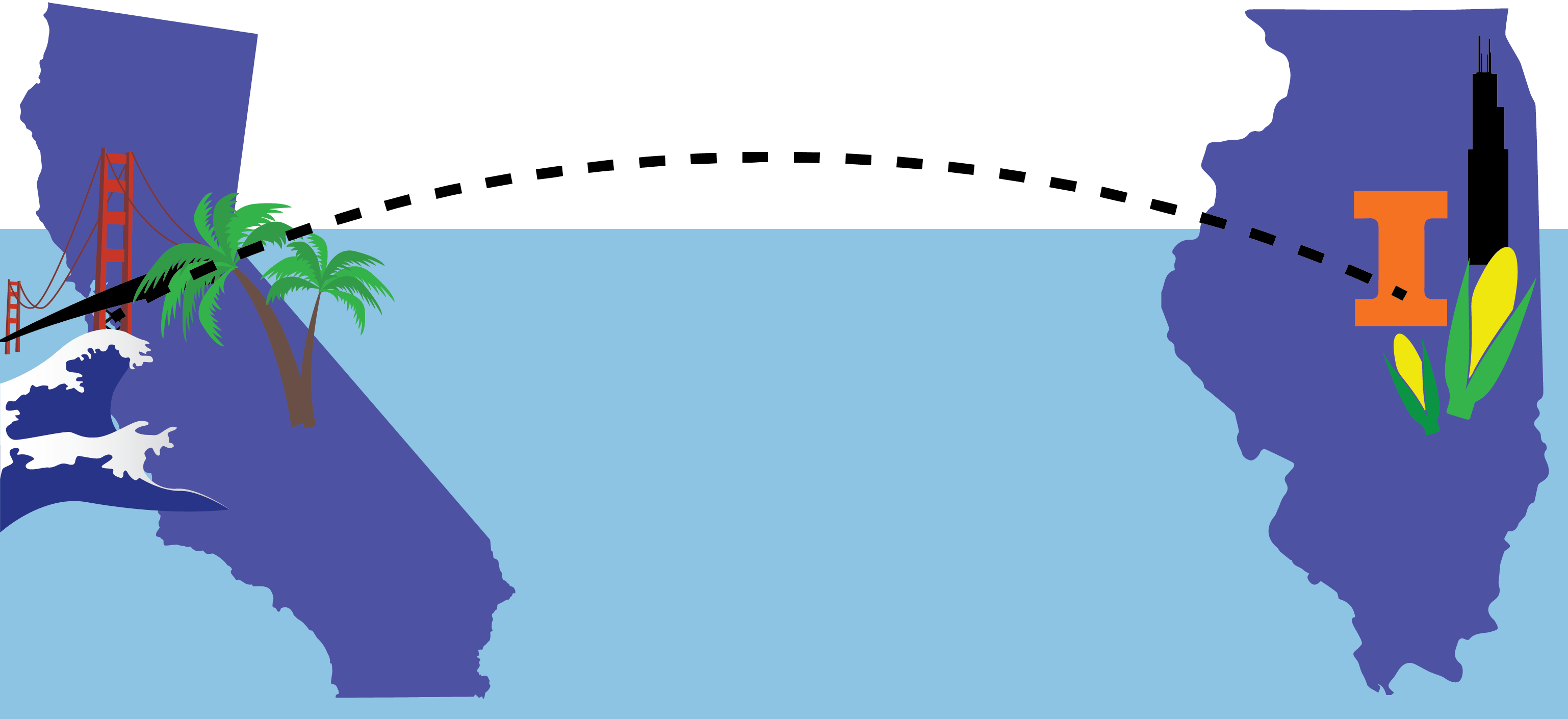
At its core, the distance between Illinois and California is substantial, spanning thousands of miles across the continental U.S. This article delves into the various facets of this distance, exploring different modes of travel, estimating timelines, and offering practical advice for planning a seamless and memorable trip. Whether you’re considering a swift flight, an adventurous road trip, or a more leisurely train ride, understanding the true scope of this journey is the first step toward transforming a dream into a meticulously planned itinerary.
The Geographic Span: Understanding the Miles and Landscapes
The sheer scale of the United States means that traveling from its heartland to its western edge involves traversing multiple states and diverse terrains. While the exact distance can vary slightly depending on the specific origin and destination cities, we can establish a clear understanding of the general mileage and the geographical context.
Straight-Line vs. Driving Distance: The Practical Reality
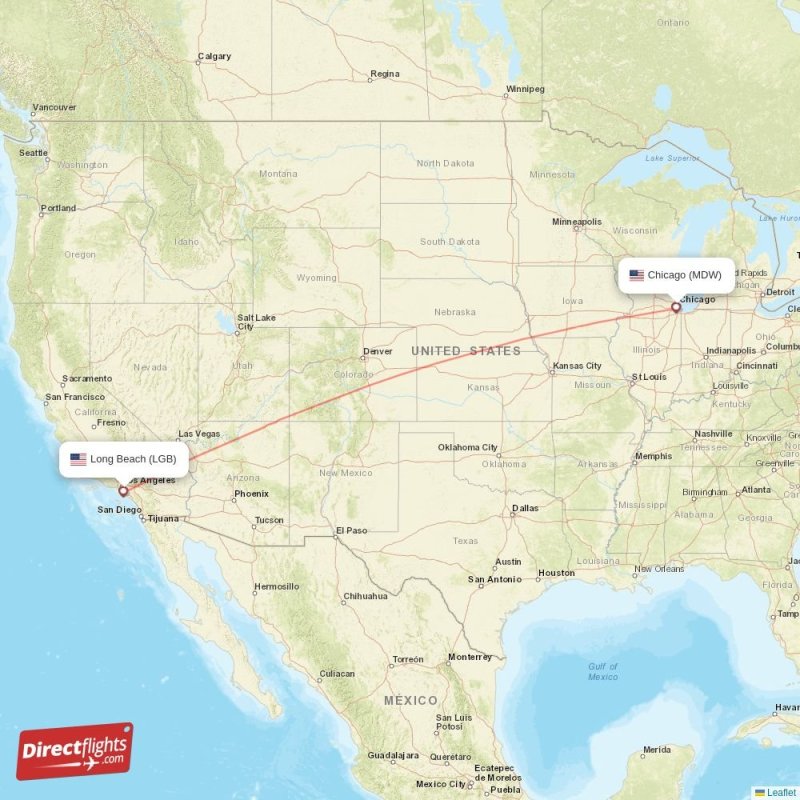
Theoretically, the “as the crow flies” or straight-line distance between Illinois and California is approximately 1,700 to 1,800 miles (about 2,735 to 2,896 kilometers). This figure, however, is purely academic for travelers, as no direct route exists across mountains, deserts, and rivers.
For practical purposes, the driving distance is what truly matters. If you’re planning to drive from a major city like Chicago, Illinois, to a prominent California hub such as Los Angeles, the distance typically ranges from 2,000 to 2,200 miles (approximately 3,218 to 3,540 kilometers). This substantial mileage factors in established road networks, including interstates that meander through various states to connect these two distant points. The journey would take you through a fascinating array of landscapes, from the flat plains of the Midwest to the rolling hills and eventually the rugged mountains and deserts leading into the Golden State.
Key Cities as Reference Points
To provide more concrete examples, let’s consider popular routes connecting specific cities:
- Chicago, Illinois to Los Angeles, California: This is one of the most common cross-country routes. The driving distance is approximately 2,000-2,200 miles, taking roughly 30-34 hours of pure driving time. This would typically be broken up into a 3-5 day road trip, depending on how many hours you drive per day and how many stops you make.
- Chicago, Illinois to San Francisco, California: This route is slightly longer, often totaling around 2,200-2,400 miles (3,540-3,862 kilometers), with an estimated driving time of 33-37 hours. The northern routes might take you through different terrains compared to the southern routes to Los Angeles.
- Chicago, Illinois to San Diego, California: Similar to Los Angeles, the distance to San Diego would fall in the 2,000-2,200 mile range, with comparable driving times.
These figures underscore the significant distance and time commitment involved in traveling between these two culturally distinct and geographically distant states.
Navigating the Journey: Modes of Travel and Timelines
The choice of transportation heavily influences both the duration and the experience of traveling from Illinois to California. Each mode offers a unique perspective and caters to different priorities, from speed and convenience to scenery and adventure.
By Car: The Ultimate American Road Trip
Driving across the country is perhaps the most iconic way to experience the vastness of the United States. As mentioned, the journey typically spans 2,000-2,200 miles and requires 30-34 hours of actual driving. However, safety and fatigue dictate that this journey should be broken into multiple days.
- Duration: A comfortable pace would involve driving 8-10 hours a day, meaning the trip would take 3 to 5 days. For instance, a common approach is to allocate 4 days, allowing for rest stops, meals, and even a bit of sightseeing.
- Routes: There are several primary interstate highways that facilitate this journey. Interstate 80 and Interstate 70 are major east-west arteries. I-80 often takes a more northern route through states like Nebraska, Wyoming, and Nevada, while I-70 generally passes through Missouri, Kansas, Colorado, and Utah, eventually connecting to other interstates leading into California. Historic Route 66, though no longer a single continuous highway, offers a nostalgic and scenic alternative, albeit often longer in duration.
- Considerations: A road trip demands careful planning regarding vehicle maintenance, fuel stops, overnight accommodations, and packing essentials. It also offers unparalleled flexibility to explore hidden gems and national parks along the way.
By Air: The Fastest Option
For those prioritizing speed and convenience, flying is undeniably the quickest way to travel from Illinois to California.
- Flight Duration: A direct flight from Chicago’s O’Hare International Airport (ORD) to Los Angeles’ LAX or San Francisco’s SFO typically takes between 4 to 5 hours. Flights with layovers can extend this to 6-9 hours or more, depending on the stopover location and duration.
- Total Travel Time: When factoring in travel to and from airports, security checks, boarding, and baggage claim, the total door-to-door travel time for a direct flight can easily be 7-9 hours. For flights with layovers, expect a full day of travel, often 10-14 hours.
- Airports: Major hubs like Chicago (ORD, Midway International Airport (MDW)) offer numerous daily flights to California’s main airports: Los Angeles International Airport (LAX), San Francisco International Airport (SFO), San Diego International Airport (SAN), Oakland International Airport (OAK), and Sacramento International Airport (SMF).
By Train or Bus: Scenic and Economical Alternatives

While significantly slower than flying, train and bus travel offer unique advantages, primarily cost-effectiveness and the opportunity to witness the passing scenery without the stress of driving.
- Train (Amtrak): Amtrak offers routes connecting Chicago to various California cities. The “Southwest Chief” route, for example, runs from Chicago to Los Angeles.
- Duration: This journey is a multi-day affair, typically taking about 43-48 hours (approximately two full days and nights) for a direct route to Los Angeles. This includes various stops along the way.
- Comfort: Train travel allows for more freedom of movement than flying or driving, with dining cars, observation cars, and sleeping accommodations available for an enhanced experience.
- Bus (Greyhound): Bus services like Greyhound provide the most economical option, though they are also the longest and often the least comfortable for extended journeys.
- Duration: A bus trip from Chicago to Los Angeles can take anywhere from 45 to 60+ hours, often involving multiple transfers and long layovers in various cities.
- Considerations: While budget-friendly, the extended duration and frequent stops can be tiring. However, it offers a ground-level view of the country that differs from both flying and personal driving.
Planning Your Cross-Country Adventure
Regardless of your chosen mode of transportation, a well-thought-out plan is paramount for a smooth and enjoyable journey from Illinois to California.
Essential Road Trip Considerations
For the adventurous driver, preparation is key:
- Vehicle Check: Ensure your car is in top condition. Get an oil change, check tire pressure and tread, inspect brakes, and make sure all fluids are topped off. A reliable vehicle is your best friend on such a long journey.
- Route Planning: Use GPS apps (like Google Maps or Waze) but also carry a physical map as a backup, especially when venturing into areas with spotty cell service. Plan your overnight stops in advance, booking accommodations to avoid last-minute stress.
- Packing: Pack wisely for varying climates. Illinois and California have vastly different weather patterns, and you’ll cross deserts, mountains, and plains in between. Bring snacks, water, a first-aid kit, and entertainment.
- Safety: Share your itinerary with someone. Drive defensively, especially when tired. Be mindful of speed limits and local driving laws as you cross state lines.
Optimizing Your Flight Experience
For air travelers, a few strategies can enhance the journey:
- Booking in Advance: Flights are generally cheaper when booked several weeks or months ahead, especially for peak travel seasons.
- Airport Selection: Consider flying into smaller regional airports in California (e.g., Burbank or Long Beach near Los Angeles, or Oakland near San Francisco) as they can sometimes offer cheaper fares or a less hectic experience than major international hubs.
- In-flight Comfort: Pack a neck pillow, eye mask, earplugs, and entertainment for the 4-5 hour flight. Hydrate well to combat cabin air dryness.
Budgeting for the Journey
Costs can vary dramatically based on your travel style:
- Driving: Factor in fuel costs (significant for 2,000+ miles), potential car maintenance, tolls, food, and 3-4 nights of accommodation.
- Flying: Airfare is the primary cost, but also consider baggage fees, airport transportation, and in-flight food/drinks.
- Train/Bus: Tickets are generally fixed, but account for meals, snacks, and any additional comfort amenities you might purchase (e.g., a sleeping berth on Amtrak).
Regardless of the mode, allocating a buffer for unexpected expenses is always a smart move.
Experiencing the Journey: What to See Along the Way
While the destination of California is undoubtedly appealing, the journey itself from Illinois offers a treasure trove of sights and experiences, particularly for those traveling by car or train.
Notable States and Cities on the Driving Route
Your cross-country drive will take you through a fascinating cross-section of America:
- Missouri: Home to the iconic Gateway Arch in St. Louis, marking the westward expansion.
- Kansas: Endless golden plains and quintessential Americana.
- Colorado: The majestic Rocky Mountains provide a dramatic shift in scenery, with opportunities for hiking and scenic drives near Denver.
- Utah: Stunning red rock landscapes, national parks like Arches and Zion, and the unique culture of Salt Lake City.
- Nevada: From the dazzling lights and entertainment of Las Vegas to the stark beauty of the Mojave Desert.
- Arizona: Potentially a southern route option, offering the awe-inspiring Grand Canyon and the vibrant city of Phoenix.
Each state offers unique cultural insights, historical landmarks, and natural wonders that can transform a simple commute into an unforgettable exploration. These stops are not just breaks from driving but integral parts of the entire travel experience, offering glimpses into the diverse fabric of the United States.
In conclusion, the journey from Illinois to California is a significant undertaking, covering approximately 2,000-2,200 miles. Whether you choose the speed of air travel (4-5 hours), the adventure of a multi-day road trip (3-5 days driving), or the leisurely pace of a train journey (2 full days), careful planning ensures a rewarding experience. Understanding the distances, travel times, and the wealth of attractions along the way empowers you to design a trip that perfectly aligns with your travel style and budget.
LifeOutOfTheBox is a participant in the Amazon Services LLC Associates Program, an affiliate advertising program designed to provide a means for sites to earn advertising fees by advertising and linking to Amazon.com. Amazon, the Amazon logo, AmazonSupply, and the AmazonSupply logo are trademarks of Amazon.com, Inc. or its affiliates. As an Amazon Associate we earn affiliate commissions from qualifying purchases.