
When planning a journey to the middle of the Pacific Ocean, one of the first logistical questions travelers ask involves the clock. While many assume that the islands simply follow the time observed by the West Coast of the United States, the reality is more unique. Hawaii is not in the Pacific Time Zone. Instead, it observes its own specific time standard, which has significant implications for how you plan your flight, your morning tours, and even your dinner reservations in Honolulu or Lahaina.
Understanding Hawaii-Aleutian Standard Time (HST)
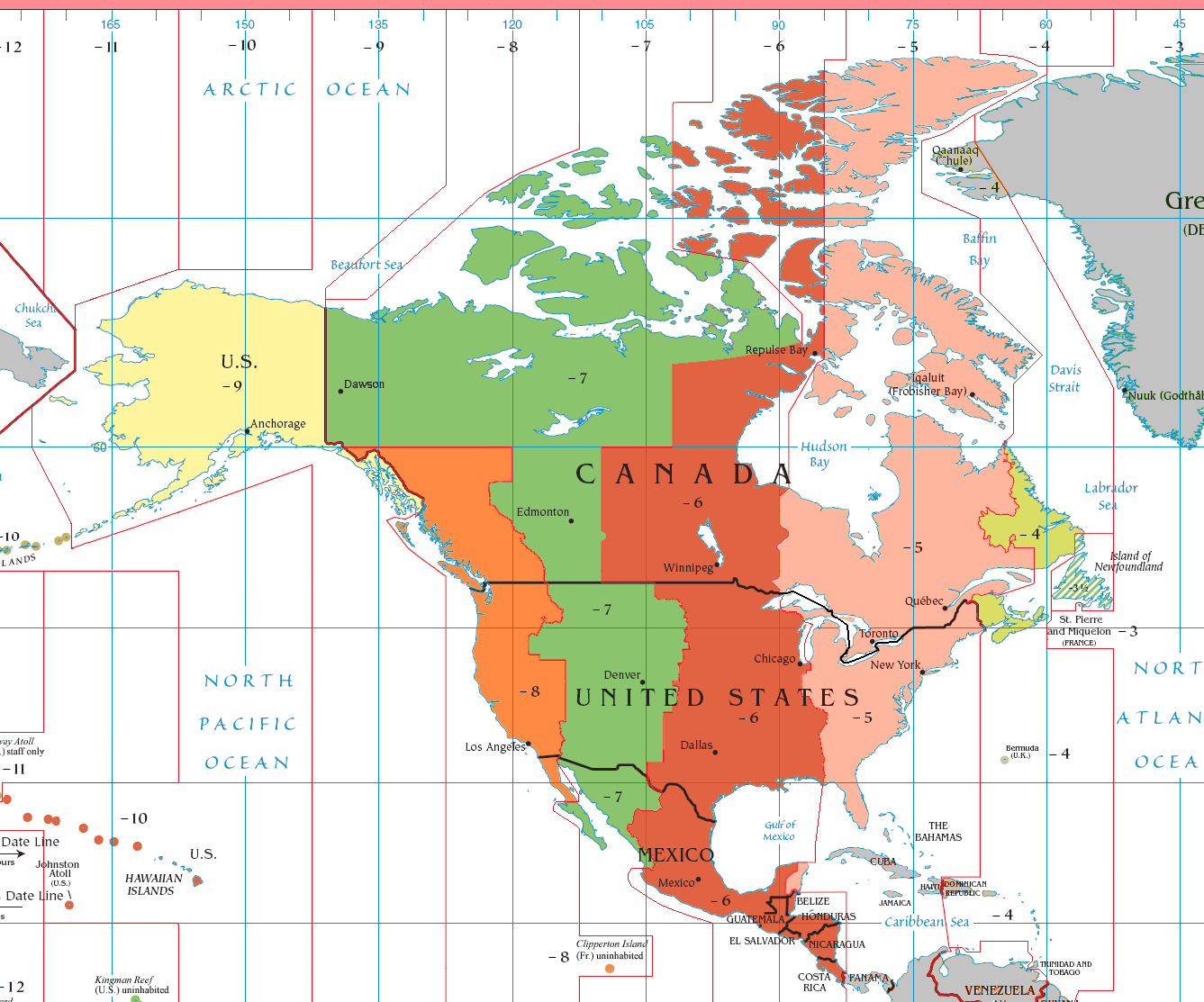
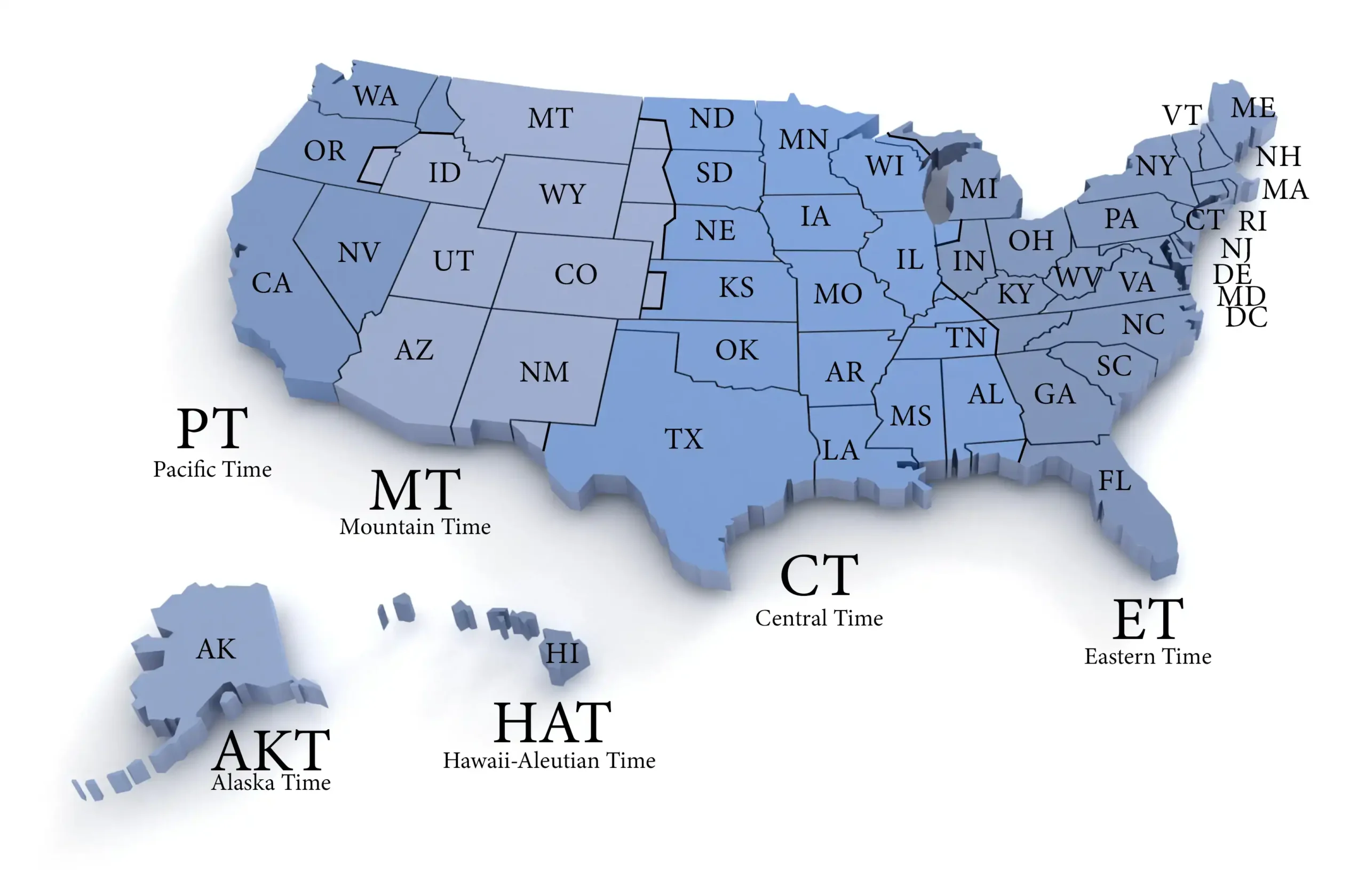
The state of Hawaii operates on Hawaii-Aleutian Standard Time, often abbreviated as HST. This time zone is technically ten hours behind Coordinated Universal Time (UTC-10). Because the Hawaiian Islands are located so far west of the mainland North America, they require a distinct chronological setting to align with the natural cycle of the sun in the tropics.
The Absence of Daylight Saving Time
Perhaps the most important detail for any traveler to remember is that Hawaii does not observe Daylight Saving Time. While most states in the United States, as well as provinces like British Columbia in Canada, move their clocks forward in the spring and back in the fall, the Aloha State remains constant.
This decision is largely due to the state’s tropical latitude. In places like Seattle or New York City, there is a massive difference in daylight hours between summer and winter. In Hawaii, however, the length of the day stays relatively consistent throughout the year. There is little practical benefit to shifting the clocks, so the residents and businesses of Oahu, Maui, Kauai, and the Big Island enjoy the simplicity of a stable schedule.
Calculating the Difference from Major Cities
Because Hawaii stays put while the rest of the country shifts, the time difference between the islands and the mainland changes twice a year. If you are traveling from California, Oregon, or Washington, you are likely used to the Pacific Time Zone. During the winter months (Standard Time), Hawaii is only two hours behind Los Angeles or San Francisco. However, during the summer months (Daylight Saving Time), that gap widens to three hours.
For those coming from the East Coast, such as Boston or Miami, the shift is even more dramatic. You might find yourself five hours ahead of Honolulu in the winter and a staggering six hours ahead during the summer. Understanding this calculation is vital when booking a tee time at the Mauna Lani golf course or coordinating a pickup for a North Shore surf lesson.
Navigating the Journey Across the Pacific Ocean
The physical distance across the Pacific Ocean is vast, and the flight times reflect this. Whether you are departing from Vancouver or Phoenix, you are looking at a minimum of five to six hours in the air. When you add the time zone change into the mix, your arrival time at Daniel K. Inouye International Airport can be deceptive.
Managing Jet Lag When Arriving in Honolulu
Landing in Honolulu often feels like entering a different world, not just because of the swaying palm trees at Waikiki Beach, but because your internal body clock is still back in Chicago or Dallas. Most travelers find that the “westward” jump is easier to handle than the return trip. You will likely find yourself waking up at 4:00 AM or 5:00 AM on your first few mornings.
Instead of fighting this, seasoned travelers use it to their advantage. This is the perfect time to head to the Diamond Head State Monument for a sunrise hike or to beat the crowds at Hanauma Bay for snorkeling. By the time the rest of the tourists are waking up at the Sheraton Waikiki, you will have already completed one of the island’s most famous attractions.
Best Flight Times for West Coast Travelers
For those living in the Pacific Time Zone, airlines like Hawaiian Airlines and Alaska Airlines offer frequent “morning” departures. A flight leaving Seattle-Tacoma International Airport at 8:00 AM will typically land in Hawaii around noon local time. This is the gold standard for travel logistics. It allows you to check into your resort, such as the Grand Wailea on Maui, just as your room becomes available, giving you a full afternoon to enjoy the Pacific Ocean breeze.
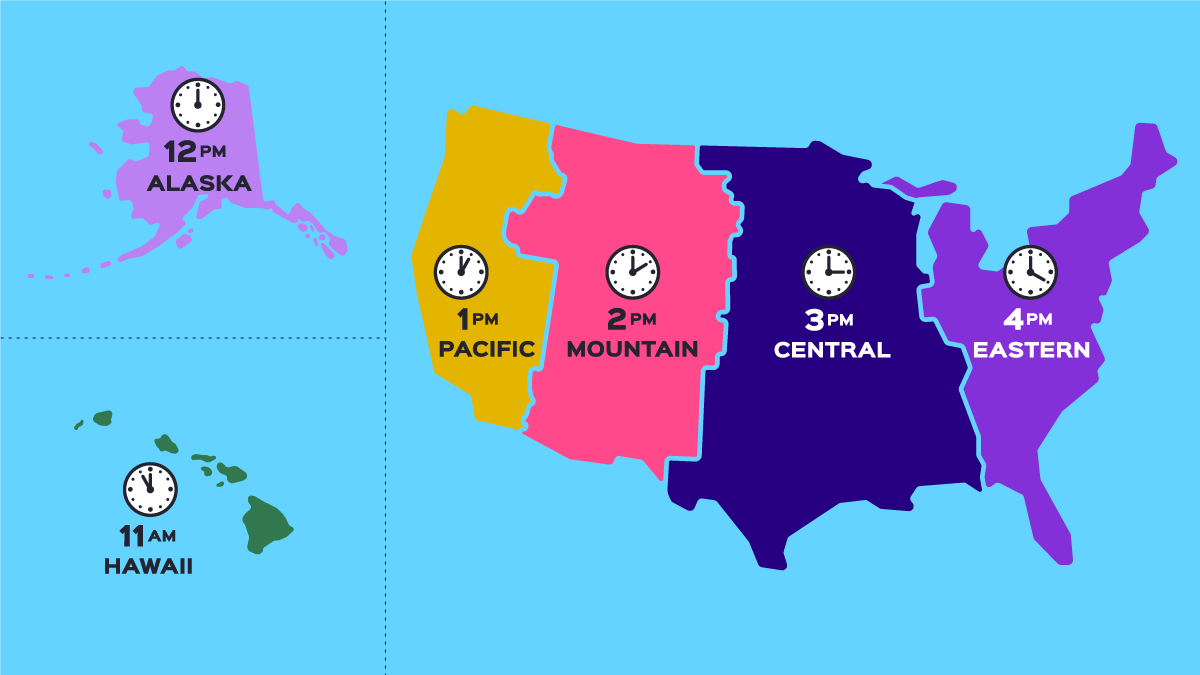
Conversely, taking a “red-eye” flight back to the mainland can be taxing. A flight departing Kona International Airport at 10:00 PM will land in Los Angeles in the early morning. Because of the two or three-hour loss, you effectively lose a night of sleep, making the transition back to work or daily life a bit more difficult.
Maximizing Your Vacation Days in the Aloha State
The unique positioning of Hawaii within its own time zone creates a specific rhythm of life that travelers should embrace. “Island Time” isn’t just a cliché about moving slowly; it is a reflection of the environment and the way the sun dictates the day’s activities.
Early Morning Adventures: Sunrise and Snorkeling
Because the sun rises early and the heat intensifies by midday, many of the best experiences in Hawaii are early-morning affairs. If you are staying on Maui, a trip to Haleakala National Park is a must. To see the sunrise from the summit of the volcano, you must leave your hotel in Wailea or Kaʻanapali as early as 3:00 AM. Since your body may still be on Pacific Time or Mountain Time, this early wake-up call feels much more manageable during the first few days of your trip.
Similarly, boat tours to the Molokini Crater or the Na Pali Coast State Park in Kauai often depart at the crack of dawn. The waters are generally calmer in the morning before the trade winds pick up, and the marine life is most active. By understanding the time zone, you can plan these high-energy activities for the start of your vacation when you are naturally waking up earlier.
Evening Traditions: Luaus and Night Markets
While mornings are for adventure, the evenings in Hawaii are for culture and relaxation. As the sun sets over the Pacific Ocean, places like the Polynesian Cultural Center on Oahu begin their evening festivities. If you are coming from the East Coast, be aware that a luau ending at 9:00 PM HST will feel like 2:00 AM or 3:00 AM to your body.
If you are traveling with children, it is often wise to schedule these evening events for later in the trip once everyone has acclimated to the Hawaii-Aleutian Standard Time. This ensures that no one is falling asleep into their poi during the fire-knife dancing finale at the Old Lahaina Luau.
Logistical Tips for Inter-Island and International Travel
The state of Hawaii is an archipelago, and most visitors choose to see more than one island. Fortunately, all the islands—including Lanai and Molokai—operate on the same time. You won’t have to worry about changing your watch when flying from Lihue Airport to Kahului Airport.
Moving Between Oahu, Maui, and the Big Island
Inter-island flights are short, typically lasting between 30 and 50 minutes. Because there is no time difference, these transitions are incredibly smooth. You can have breakfast at a café in Hilo and be on a beach in Poipu by lunchtime. However, it is essential to keep an eye on the clock for your return flights to the mainland. United Airlines, Delta Air Lines, and American Airlines all have strict check-in windows, and Honolulu traffic can be notoriously heavy during “rush hour,” which follows the local HST clock regardless of what time it is in New York.
Connecting to International Destinations like Japan and Australia
Hawaii is often used as a stopover for travelers heading further west to Japan, Australia, or New Zealand. When you cross the International Date Line from Honolulu heading toward Tokyo or Sydney, you actually “lose” a day.
For example, a flight leaving Daniel K. Inouye International Airport on Monday afternoon will arrive in Japan on Tuesday evening. Understanding the relationship between Hawaii-Aleutian Standard Time and the International Date Line is crucial for anyone planning a multi-country Pacific expedition.
Whether you are visiting the Pearl Harbor National Memorial or exploring the volcanic landscapes of Volcanoes National Park, knowing that Hawaii stands alone in its time zone helps you navigate the islands with confidence. By respecting the clock—and the lack of a time change—you can ensure that every minute of your Hawaiian getaway is spent enjoying the sun, the surf, and the incomparable Aloha spirit.
LifeOutOfTheBox is a participant in the Amazon Services LLC Associates Program, an affiliate advertising program designed to provide a means for sites to earn advertising fees by advertising and linking to Amazon.com. Amazon, the Amazon logo, AmazonSupply, and the AmazonSupply logo are trademarks of Amazon.com, Inc. or its affiliates. As an Amazon Associate we earn affiliate commissions from qualifying purchases.