
California, renowned globally as a trendsetter in lifestyle, tourism, and progressive policy, often sparks curiosity regarding its stance on emerging topics. From its stunning natural landmarks and vibrant cities to its innovative approach to wellness and recreational activities, the state is a magnet for travelers and residents alike. In recent years, one particular question has increasingly surfaced within conversations about health, freedom, and personal exploration: Is psilocybin legal in California? This isn’t a simple yes or no query, but rather a journey into the complex interplay of state and local legislation, public sentiment, and the evolving scientific understanding of psychedelics.
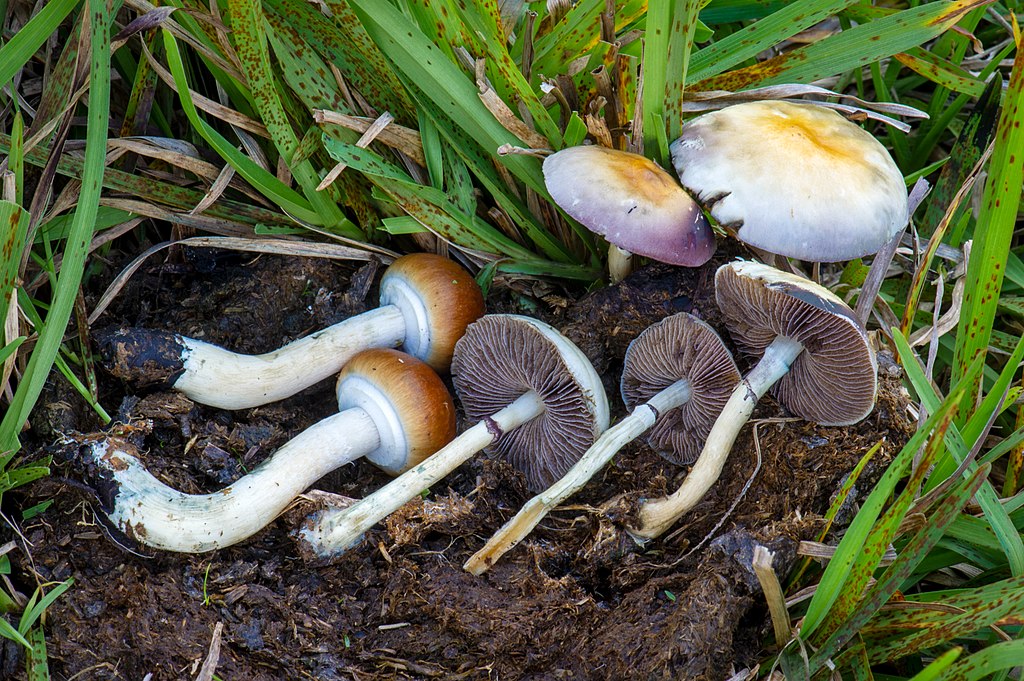
For those planning a trip to the Golden State, understanding the legal nuances of various substances is paramount, especially when considering the diverse array of experiences California offers—from tranquil retreats in Big Sur to the bustling urban adventures of Los Angeles and San Francisco. Our exploration will delve into the current legal status of psilocybin, differentiate between decriminalization and full legalization, and provide essential insights for anyone navigating the intricate landscape of psychedelic policy in one of the United States’ most influential states.
Navigating the Complexities of Psilocybin Laws in the Golden State
The legal framework surrounding psilocybin in California is a dynamic tapestry woven with local ordinances, state-level discussions, and overarching federal prohibitions. Unlike cannabis, which has achieved full recreational legalization at the state level in California, psilocybin remains in a more ambiguous and evolving legal space. This distinction is crucial for both residents and visitors seeking to understand their rights and responsibilities.
Decriminalization vs. Full Legalization: Understanding the Nuance
To truly grasp the situation, it’s vital to differentiate between decriminalization and full legalization. Decriminalization means that while an activity or substance possession remains technically illegal, the penalties for engaging in it are significantly reduced, often to a minor infraction similar to a traffic ticket, without leading to arrest or a criminal record. Full legalization, on the other hand, implies that the substance is regulated, taxed, and legally available for purchase and use by adults, much like alcohol or recreational cannabis.
In California, psilocybin has seen significant steps towards decriminalization at the municipal level. Several progressive cities have taken the lead in enacting policies that prioritize public health over punitive measures for natural psychedelics.
- Oakland: In June 2019, Oakland became the first city in California to decriminalize psilocybin mushrooms and other entheogenic plants. The city council unanimously passed a resolution making the investigation and arrest of individuals involved in the possession, use, or cultivation of natural psychedelics among the lowest priorities for law enforcement. This landmark decision was driven by the “Decriminalize Nature” initiative, an advocacy group pushing for the decriminalization of naturally occurring entheogens across the United States.
- Santa Cruz: Following Oakland’s lead, Santa Cruz also decriminalized natural psychedelics in January 2020. Their resolution similarly instructs local law enforcement to deprioritize arrests and prosecution for these substances, emphasizing their potential therapeutic benefits.
- San Francisco: In September 2022, San Francisco joined the movement, passing a resolution to decriminalize entheogenic plants and fungi. This further cemented the city’s reputation as a pioneer in progressive drug policy, aligning with its long history of advocating for individual freedoms.
It’s crucial to understand that these municipal actions do not equate to full legalization. They are local policy changes that largely affect how law enforcement in those specific cities approaches psilocybin-related offenses. State law in California still classifies psilocybin as a Schedule I controlled substance, meaning it has a high potential for abuse and no currently accepted medical use. This creates a complex legal patchwork where local and state laws can sometimes be at odds, or at least require careful navigation.
The Current Landscape: What’s Permitted and What’s Not
Despite local decriminalization efforts, the sale and distribution of psilocybin remain strictly illegal throughout California. The focus of decriminalization has been on personal use and cultivation for personal use, not on creating a commercial market.
Here’s a breakdown of the current realities:
- Personal Use and Possession: In decriminalized cities like Oakland, Santa Cruz, and San Francisco, possession of psilocybin for personal use is a low law enforcement priority. This typically means small amounts intended for individual consumption, not for sale or distribution. Outside of these specific cities, possessing psilocybin can still lead to felony charges under state law.
- Cultivation for Personal Use: Similar to possession, cultivation of psilocybin mushrooms for personal use has been decriminalized in the aforementioned cities. This allows individuals to grow their own without fear of significant legal repercussions from local authorities. Again, this does not extend statewide.
- Sale, Distribution, and Public Consumption: These activities are unequivocally illegal across all of California, regardless of local decriminalization. Anyone caught selling, distributing, or attempting to distribute psilocybin faces severe state and federal penalties. Public consumption is also prohibited, as are activities like driving under the influence of psilocybin. The intent behind decriminalization is not to encourage widespread public use but to reduce harm associated with criminalizing personal decisions.
- Federal Illegality: Perhaps the most important point for both residents and especially travelers to remember is that psilocybin remains federally illegal in the United States. This means that despite any state or local policy, federal agents can still enforce federal law. While this is less common for small-scale personal possession in states or cities with decriminalized policies, it is a risk, particularly on federal lands such as National Parks (e.g., Yosemite National Park, Joshua Tree National Park) or military bases within California. This federal status also complicates interstate travel with psilocybin.
Understanding this bifurcated legal reality—local decriminalization coexisting with state felony classifications and federal prohibition—is essential for anyone considering psilocybin in California.
Psilocybin and Travel in California: What Visitors Need to Know
For travelers drawn to California’s diverse offerings—from its iconic landmarks to its vibrant cultural scenes and renowned wellness retreats—the legal status of psilocybin presents unique considerations. While the state is generally welcoming and progressive, adherence to local laws is crucial for an enjoyable and trouble-free visit.
Planning Your California Trip: Legal Considerations for Travelers
When planning a trip to California, especially if you are considering exploring aspects of its alternative lifestyle and wellness culture, it’s vital to be fully informed about psilocybin.
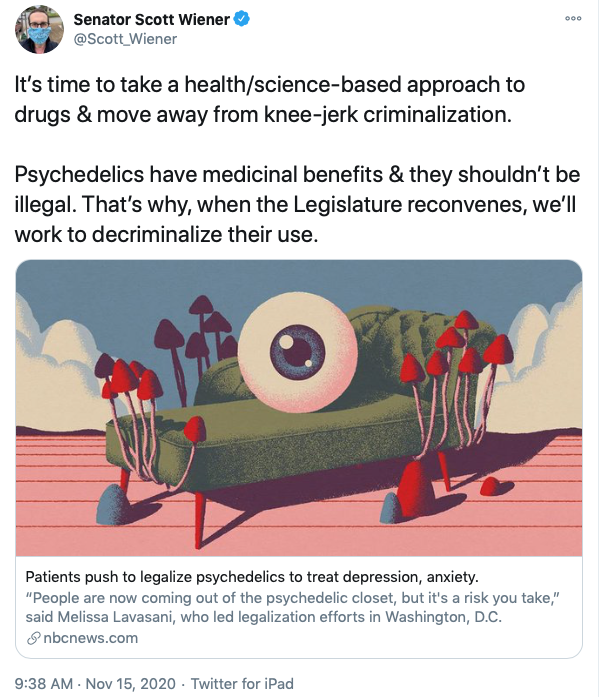
- Know Your Location: The most critical advice is to be aware of the specific city’s ordinances. While Oakland, Santa Cruz, and San Francisco have decriminalized psilocybin, this does not apply to other popular tourist destinations like Los Angeles, San Diego, or even the state capital, Sacramento, where state law (felony possession) still predominates. Always verify the current local laws for any destination you plan to visit.
- Avoid Crossing State Lines: Due to psilocybin’s federal illegality, transporting it across state lines is a federal offense, carrying severe penalties. Even if you are coming from a state like Oregon where psilocybin has been decriminalized or legalized for supervised therapeutic use, bringing it into California (or any other state) is illegal under federal law.
- Transportation Within California: Even within California, moving psilocybin from a decriminalized city to one where it is not decriminalized could put you at risk. Best practice dictates avoiding internal transportation of psilocybin altogether.
- Federal Lands and Airports: Exercise extreme caution on federal properties. This includes all national parks (e.g., Yosemite National Park, Joshua Tree National Park), national forests, and especially airports. Federal law enforcement operates in these areas, and they enforce federal drug laws, which classify psilocybin as a Schedule I substance with no exceptions for state or local policies.
- No Commercial Market: Unlike cannabis dispensaries, there are no legal storefronts or commercial operations where psilocybin can be purchased in California. Any purported “dealers” or “delivery services” are operating illegally and carry significant risks for both buyer and seller.
For travelers, the safest and most recommended approach is to strictly abide by all existing laws and avoid any activities that could put them in legal jeopardy, allowing them to fully enjoy the state’s legitimate attractions and experiences without incident.
Exploring Wellness and Alternative Tourism in California
California has long been a hub for wellness, alternative therapies, and experiential tourism. Its natural beauty, from the coastal serenity of Big Sur to the majestic mountains of Lake Tahoe and the unique landscapes of Death Valley, provides a perfect backdrop for introspection and personal growth. The interest in psilocybin often aligns with this broader pursuit of wellness and self-discovery, connecting to the “Lifestyle” and “Tourism” categories of our website.
While outright psilocybin retreats or commercially available psychedelic tourism experiences are currently illegal in California, the decriminalization efforts in cities like Oakland and San Francisco reflect a growing public and scientific interest in the therapeutic potential of these substances. This has led to an increase in discussions around psychedelic-assisted therapy and the potential for a regulated framework in the future.
Travelers interested in these areas might find events, conferences, or educational workshops discussing the science and policy of psychedelics, often held in these progressive cities. These gatherings can provide valuable insights into the evolving landscape of psychedelic medicine and culture without engaging in illegal activities. California’s spirit of innovation, particularly evident in areas like Silicon Valley, extends to its approach to health and mental well-being, fostering an environment where conversations about psychedelic therapies are openly explored.
Visitors seeking wellness experiences can instead explore California’s vast array of legal and legitimate offerings, from yoga retreats in Napa Valley or Sonoma to spiritual centers that focus on meditation, mindfulness, and nature immersion. These options provide safe and legal avenues for personal growth and relaxation, aligning with the state’s reputation as a leader in holistic well-being.
The Future of Psychedelic Policy in California
The journey of psilocybin in California is far from over. The ongoing local decriminalization efforts are often seen as stepping stones towards broader state-level reforms, mirroring the trajectory of cannabis legalization in previous decades. The public conversation continues to evolve, fueled by growing scientific research into the therapeutic benefits of psilocybin for conditions like depression, PTSD, and addiction.
Potential Legislative Changes and Ballot Initiatives
Several legislative efforts have been, and continue to be, put forth to change California’s approach to psychedelics. These efforts reflect a persistent push to move beyond decriminalization towards a regulated framework, particularly for therapeutic use.
One notable example is The ReForm California Act, a proposed ballot initiative aimed at establishing a regulated system for adult-use psilocybin and other entheogens. While the specifics of such initiatives can change, their emergence on the ballot signifies a strong public interest in broader reform. Another significant legislative effort was SB 58, a bill that sought to decriminalize personal possession and facilitate the study of certain psychedelics statewide. Though such bills face considerable political hurdles, their consistent introduction demonstrates the momentum behind psychedelic reform.
These legislative and ballot initiative attempts are often backed by a coalition of veterans’ groups, mental health advocates, and civil liberties organizations, all highlighting the potential for these substances to address pressing public health challenges. Should any of these initiatives pass, they would dramatically reshape the legal landscape for psilocybin, moving it from a patchwork of local policies to a unified state-wide approach.

Broader Implications for Travel and Hospitality
The eventual full legalization or widespread medicalization of psilocybin in California could have significant implications for the state’s travel and hospitality industries. Drawing parallels with cannabis tourism, which has become a notable segment of California’s visitor economy, a similar trend could emerge for psychedelic wellness tourism.
Imagine a future where:
- Specialized Retreats and Wellness Centers: Hotels and resorts might offer specialized programs, perhaps in collaboration with licensed therapists, providing psilocybin-assisted experiences in controlled, safe environments. This could attract a specific type of wellness traveler seeking profound personal growth and healing.
- Regulated “Experience” Destinations: Certain regions known for their natural beauty or spiritual inclination (like Big Sur or areas around Mount Shasta) could become destinations for legal, guided psychedelic journeys, similar to how cannabis lounges operate today.
- Economic Impact: A regulated market would open new avenues for businesses, from cultivators and processors to therapeutic guides and hospitality providers, generating tax revenue and creating jobs, much as the legal cannabis industry has done.
However, any such future would undoubtedly come with stringent regulations to ensure public safety, responsible use, and ethical practices. The lessons learned from cannabis legalization—including challenges related to public consumption, impaired driving, and youth access—would certainly inform the development of a psilocybin framework.
Compared to other places around the world that are also exploring psychedelic policy, such as parts of Canada, the Netherlands, or certain countries in Latin America like Mexico with its traditional use, California stands poised to potentially lead the United States in a new era of psychedelic policy. States like Oregon have already moved to legalize psilocybin for supervised therapeutic use, and cities like Denver and Washington D.C. have also decriminalized. This growing national and international trend suggests that California’s current decriminalization is likely a prelude to more comprehensive changes.
In conclusion, while psilocybin is not fully legal in California today, the state is a focal point for the evolving conversation around psychedelics. For those visiting or living in California, understanding the nuances between local decriminalization and state/federal prohibitions is key. As legislative efforts continue and public perception shifts, the Golden State may very well be at the forefront of a new approach to wellness and personal freedom, further cementing its status as a destination for innovation and experiential exploration. Until then, responsible awareness of the current legal landscape remains paramount.
LifeOutOfTheBox is a participant in the Amazon Services LLC Associates Program, an affiliate advertising program designed to provide a means for sites to earn advertising fees by advertising and linking to Amazon.com. Amazon, the Amazon logo, AmazonSupply, and the AmazonSupply logo are trademarks of Amazon.com, Inc. or its affiliates. As an Amazon Associate we earn affiliate commissions from qualifying purchases.