
Understanding Time Zones in the Lone Star State
Navigating the vast expanse of the United States can sometimes be a temporal puzzle, with time zones dictating everything from flight schedules to morning coffee rituals. When planning a trip to Texas, a state known for its immense size and diverse landscapes, understanding its temporal alignment is crucial for seamless travel. The immediate answer to whether Texas falls within the Pacific Time zone is a definitive no. Instead, the Lone Star State primarily operates under the Central Time Zone, with a very small, specific exception. This distinction is not merely an academic detail for travelers; it has practical implications for coordinating activities, booking accommodations, and experiencing the local rhythm of life across its sprawling cities and charming towns.
The Dominance of the Central Time Zone
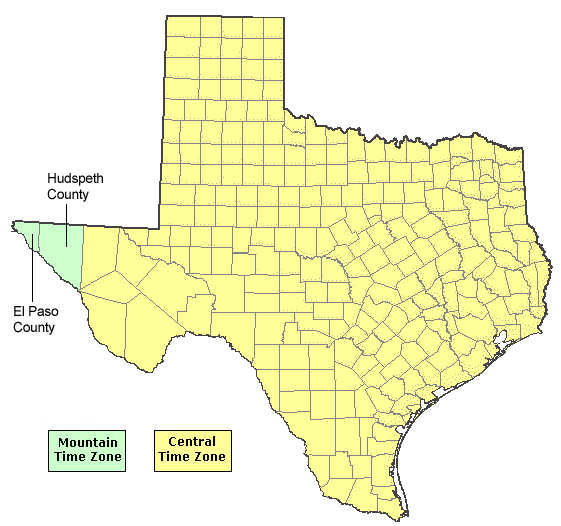
The vast majority of Texas observes Central Standard Time (CST) during the winter months, which shifts to Central Daylight Time (CDT) during the spring and summer months. This means that Texas is typically two hours ahead of Pacific Standard Time (PST) and one hour ahead of Mountain Standard Time (MST). This temporal placement aligns Texas with many of its neighboring states in the central and eastern parts of the country, influencing business operations, communication, and the general flow of daily life.
Cities like Houston, Dallas, and Austin all operate firmly within the Central Time Zone. This means that when it’s noon in Los Angeles (PST), it’s already 2 PM in Dallas. This difference can be significant for travelers coming from the West Coast, requiring an adjustment in their internal clocks upon arrival. For those used to the East Coast time, the difference will be less pronounced, but still a factor to consider when planning early morning activities or late-night excursions. The cultural implications of this time zone are also noteworthy. Communities in Texas often share similar diurnal patterns with those in the Central Time Zone, influencing everything from when restaurants open to when local events typically begin.
The El Paso Exception: A Glimpse of Mountain Time
While the overwhelming majority of Texas resides in the Central Time Zone, there is a specific region that deviates: El Paso and its immediate surroundings. Located in the westernmost tip of the state, bordering both New Mexico and Mexico, El Paso observes Mountain Time. This means that during standard time, El Paso is on MST, placing it one hour behind the rest of Texas and two hours behind Pacific Time. When daylight saving time is in effect, El Paso switches to Mountain Daylight Time (MDT), maintaining its one-hour difference from the Central Time Zone.
This unique temporal situation in El Paso is largely due to its geographic proximity and historical connections with New Mexico, which also operates under Mountain Time. For travelers, this means that if you’re driving from, say, Albuquerque, New Mexico, into El Paso, you won’t need to adjust your watch. However, if your journey takes you from El Paso eastward towards cities like San Antonio or Corpus Christi, a one-hour time change will be necessary. This small but significant detail underscores the importance of confirming local times when planning travel itineraries that might span different regions of Texas. It also influences the local business and social schedules in El Paso, often aligning them more closely with that of Arizona (which observes MST year-round and does not use daylight saving time) and other Mountain Time states.

Practical Implications for Travelers
The temporal divisions within Texas have several practical implications for visitors. Firstly, when booking flights, it’s essential to confirm the time zone of your arrival and departure airports. While most major Texas airports will be in the Central Time Zone, El Paso International Airport operates on Mountain Time. Misunderstanding this could lead to confusion, missed connections, or arriving at your destination far earlier or later than anticipated.
Secondly, when arranging tours, activities, or dining reservations, always verify the local time in the specific city you are visiting. A 7 PM dinner reservation in Austin will be at the same moment as a 6 PM reservation in El Paso. This is particularly important for events that are timed precisely, such as guided tours of the Alamo in San Antonio or a sunset cruise on Lake Travis.
Thirdly, communication with locals or businesses can be smoother if you are aware of the time difference. When calling a hotel in Dallas from California, remember to factor in the two-hour difference. This awareness also extends to social media updates and sharing experiences in real-time. The temporal nuances can also affect the perception of daylight hours, especially for those accustomed to different sunset and sunrise times. While Texas is a large state, the difference between the eastern and western edges is significant enough to impact daily routines, especially during seasons with pronounced differences in daylight.
For those planning a road trip that traverses the state, keeping track of the time zone changes is part of the adventure. Crossing from the Central Time Zone into the Mountain Time Zone upon entering El Paso is a subtle but distinct marker of your journey across this diverse state. Similarly, when departing from El Paso and heading east, the return to Central Time signifies a return to the temporal rhythm of the majority of Texas.

Beyond Time Zones: Experiencing Texas’s Rhythms
While time zones provide a framework, the true essence of experiencing Texas lies in embracing its unique cultural rhythms, which are influenced by but not solely dictated by the clock. From the early morning breakfast tacos that are a staple across the state to the late-night music scenes in cities like Austin, the daily cadence of life is deeply ingrained in local customs and traditions.
In the bustling metropolises of Dallas and Houston, business hours often mirror those found across the Central Time Zone, with offices opening by 9 AM and closing by 5 PM. However, the culinary and entertainment scenes extend well beyond these traditional hours, offering vibrant experiences late into the night. In contrast, the more laid-back atmosphere of West Texas, including areas around El Paso, might present a slightly different pace, though still respecting the Mountain Time designation.
Understanding the time zone is the first step in aligning your travel plans with the state’s operational schedules. However, the true joy of exploring Texas comes from immersing yourself in its rich tapestry of local life, where the clock is just one element of a much larger, captivating experience. Whether you are enjoying the vastness of the Big Bend National Park or exploring the historic streets of San Antonio, being mindful of the time will undoubtedly enhance your journey. The answer to “Is Texas in Pacific Time?” is a straightforward no, but the nuances of its temporal landscape offer a subtle yet important layer to the state’s identity and a practical consideration for every traveler.
LifeOutOfTheBox is a participant in the Amazon Services LLC Associates Program, an affiliate advertising program designed to provide a means for sites to earn advertising fees by advertising and linking to Amazon.com. Amazon, the Amazon logo, AmazonSupply, and the AmazonSupply logo are trademarks of Amazon.com, Inc. or its affiliates. As an Amazon Associate we earn affiliate commissions from qualifying purchases.