
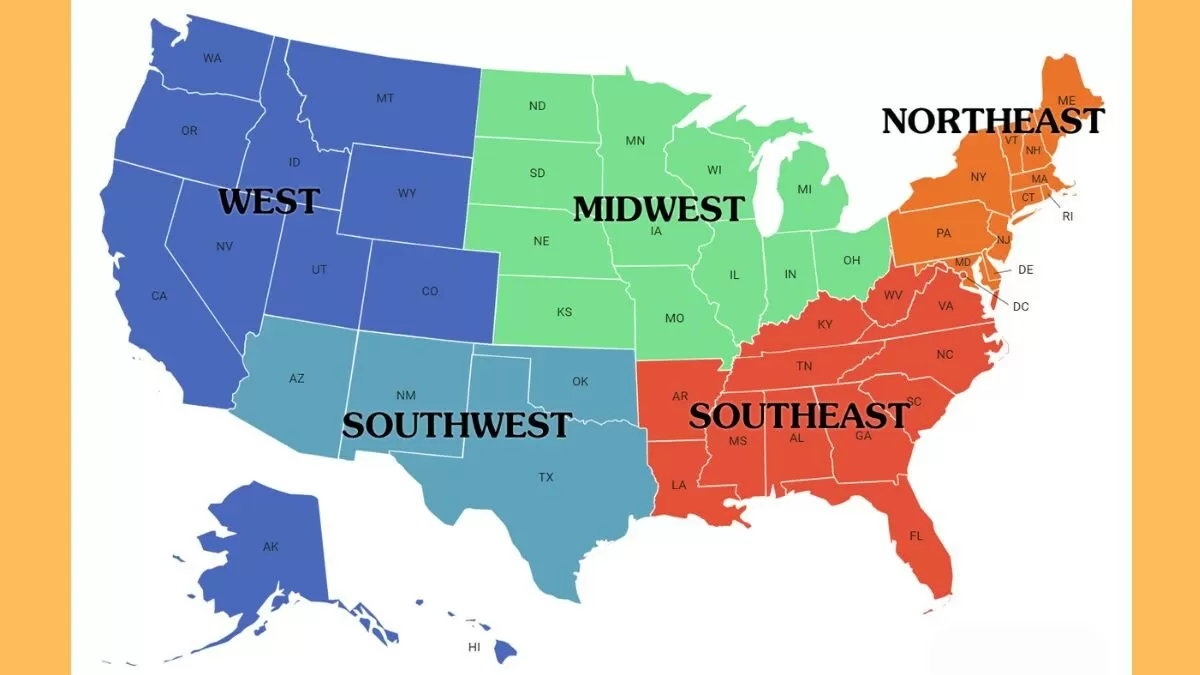
While often broadly categorized, the precise geographical placement of Texas sparks curiosity. This vast state, renowned for its distinct culture, iconic landscapes, and sprawling metropolises, occupies a unique position in the American consciousness. Understanding its regional classification is key to appreciating its diverse influences, from its historical ties to Mexico and the American South to its modern identity as a burgeoning hub of innovation and a gateway to the West Coast.
Defining the Southwest: A Cultural and Geographic Tapestry
The Southwest region of the United States is typically defined by its arid or semi-arid climate, its rich Native American heritage, and its significant Hispanic cultural influences. States commonly associated with the Southwest include Arizona, New Mexico, and sometimes parts of California, Nevada, and Utah. These areas share a common narrative of frontier expansion, Spanish colonial history, and the enduring legacy of indigenous peoples.

Climatic Characteristics
A defining feature of the Southwest is its climate. Characterized by hot summers, mild winters, and low humidity, the region experiences dramatic landscapes shaped by these conditions. Vast deserts dotted with cacti, colorful rock formations, and expansive, sun-drenched plains are hallmarks. Cities like Phoenix and Albuquerque exemplify this environment, offering a lifestyle adapted to the desert.
Cultural Mosaic
The cultural makeup of the Southwest is a captivating blend. Indigenous traditions, evident in art, architecture, and ceremonies, form a foundational layer. Overlaid upon this are the influences of Spanish exploration and colonization, which brought Catholicism, distinct architectural styles (like adobe), and a pervasive Spanish language. The subsequent Americanization of the region further added layers to this cultural mosaic, creating unique regional identities. The culinary traditions, in particular, showcase this fusion, with dishes like green chile stew and tamales being celebrated across the Southwest.
Historical Context
Historically, the Southwest was a frontier, a contested territory shaped by shifting borders and the convergence of different cultures and nations. The Spanish Empire, then Mexico, and finally the United States all laid claim to significant portions of this land. This complex history is visible in the preserved missions, presidios, and the very fabric of many Southwestern communities.
Texas: A State of Overlapping Identities
When considering Texas, its placement becomes more nuanced. While it shares many characteristics with the traditional Southwest, its sheer size and diverse geography mean it also exhibits traits of other regions, most notably the American South.
Southwestern Influences in Texas
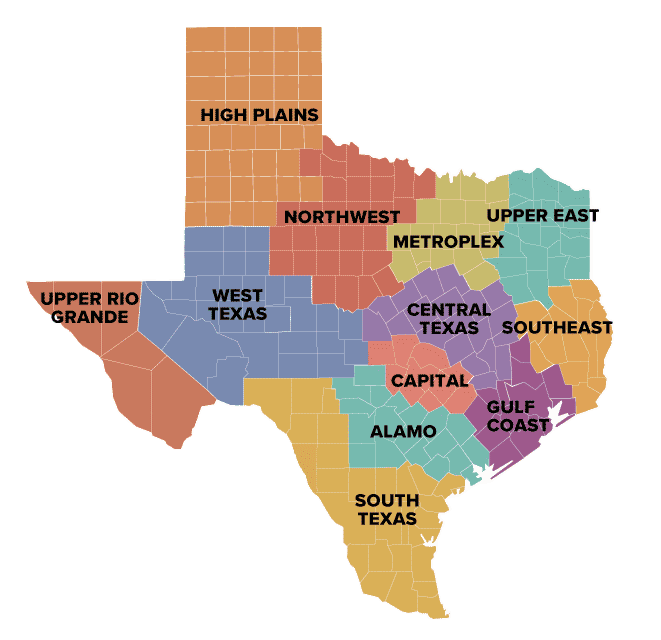
The western and southern parts of Texas undeniably bear the strong imprint of the Southwest. Cities like El Paso, nestled on the border with Mexico, are deeply integrated into the Southwestern cultural and economic landscape. The desert terrain, the Spanish colonial history evident in architecture and place names, and the robust Hispanic population are all strong indicators of Southwestern identity. The vast plains and dramatic mountain ranges in West Texas echo the iconic landscapes found in Arizona and New Mexico.
Southern Echoes in East Texas
Conversely, the eastern and northern portions of Texas exhibit distinct Southern characteristics. The landscape transitions from arid plains to rolling hills and pine forests, reminiscent of states like Louisiana and Mississippi. The climate becomes more humid, and the cultural influences shift. This part of Texas often shares traditions related to Southern cuisine, music (such as blues and country), and a history intertwined with the antebellum South. Cities like Houston and Dallas have a cosmopolitan feel but are still influenced by the broader Southern cultural sphere.
The “Texas Identity”: A Unique Synthesis
Perhaps the most accurate way to describe Texas is as a state that embodies a unique synthesis of Southwestern and Southern influences, alongside its own distinct “Texan” identity. It’s a crossroads, a place where these regional characteristics converge and are reinterpreted. This blend is what makes Texas so fascinating and dynamic.
Navigating Texas: Destinations Reflecting Regionality
To truly understand Texas’s place, one must explore its diverse regions and the destinations that highlight these overlapping identities.
West Texas: The Quintessential Southwest
For an experience that screams Southwest, one must venture west.
Big Bend National Park
Big Bend National Park is a prime example. This vast wilderness area along the Rio Grande offers dramatic desert landscapes, rugged mountains, and a glimpse into the geological history of the region. The stark beauty, the abundant wildlife, and the sense of remoteness are all characteristic of the classic Southwest. Visitors can explore hiking trails, enjoy stargazing under incredibly dark skies, and learn about the area’s history, which includes Native American presence and early Texan settlers.
El Paso
El Paso, situated at the western tip of Texas, is a vibrant city that fully embraces its Southwestern heritage. Bordering Ciudad Juárez, Mexico, the city is a melting pot of cultures. Its historic downtown features Spanish colonial architecture, and the local cuisine is a delicious blend of Tex-Mex and traditional Mexican flavors. The Franklin Mountains provide a stunning backdrop, offering recreational opportunities and panoramic views. Exploring the historic Mission Trail is a journey back in time to the Spanish missionary era.
Central and South Texas: A Blend of Influences
Moving eastward, the influences begin to shift, though Southwestern elements remain present.
San Antonio
San Antonio is a jewel that beautifully showcases the fusion of Texan, Southwestern, and Southern cultures. The iconic Alamo stands as a testament to Texas’s fight for independence, a pivotal moment in its Southwestern history. Yet, the city’s charm also lies in its River Walk, its vibrant arts scene, and its culinary landscape, which offers everything from authentic Tex-Mex to sophisticated Southern-inspired dishes. The architecture, a blend of Spanish colonial and modern styles, reflects its layered history.
Austin
Austin, the state capital, often feels like its own unique entity, blending progressive culture with Texan tradition. While it leans into its reputation as the “Live Music Capital of the World,” its proximity to the Hill Country offers access to beautiful natural landscapes that have Southwestern undertones. The city’s burgeoning food scene incorporates elements from both the Southwest and the South, creating a dynamic gastronomic experience.
East Texas: Leaning Towards the South
The eastern parts of Texas present a landscape and culture more akin to the American South.
Piney Woods Region
The Piney Woods region, in the far eastern part of the state, is characterized by dense pine forests and a more humid climate. Towns and cities here often share architectural styles and cultural traditions with neighboring Southern states. This area is known for its natural beauty, including state parks and lakes, offering opportunities for outdoor recreation. The cuisine might feature more classic Southern comfort foods, such as barbecue with a distinct East Texas style.
Shreveport (Louisiana Border)
While Shreveport is in Louisiana, its close proximity means that the Texan cities along this border share significant cultural and economic ties, leaning heavily into Southern influences. The music, food, and general atmosphere are strongly influenced by the Deep South.
The Enduring Question: Southwest or Southeast?
Ultimately, the question of whether Texas is Southwest or Southeast is not a simple dichotomy. It is a state that straddles these regional lines, drawing strength and character from both. Its identity is a rich tapestry woven from threads of arid plains and humid forests, Spanish colonial past and Southern heritage, indigenous roots and modern innovation.
For the traveler, this means experiencing an incredible diversity within a single state. One can explore the stark beauty of the Chihuahuan Desert in the morning and enjoy the lushness of pine forests in the afternoon. The culinary journey is equally varied, from spicy Southwestern chilies to rich, slow-cooked Southern barbecue.
A Gateway and a Crossroads
Texas serves as a vital gateway. To the west, it connects to the iconic landscapes and cultures of the Southwest. To the east, it blends into the familiar embrace of the American South. Its vastness and its position at these intersections make it a unique and compelling destination, defying easy categorization and offering a multifaceted experience to all who explore its borders. Understanding these regional influences enriches any visit, allowing for a deeper appreciation of the history, culture, and natural beauty that define the Lone Star State.
LifeOutOfTheBox is a participant in the Amazon Services LLC Associates Program, an affiliate advertising program designed to provide a means for sites to earn advertising fees by advertising and linking to Amazon.com. Amazon, the Amazon logo, AmazonSupply, and the AmazonSupply logo are trademarks of Amazon.com, Inc. or its affiliates. As an Amazon Associate we earn affiliate commissions from qualifying purchases.