
The question of whether the State of California is in debt is a complex one, often sparking debate and raising concerns among residents, businesses, and prospective visitors alike. While a simple “yes” or “no” might seem elusive given the intricate nature of state finances, from a lifestyle perspective, understanding California’s economic health offers crucial insights. For those considering a move, planning a vacation, or simply observing the dynamics of one of the world’s largest economies, the state’s fiscal standing inevitably influences the quality of life, the cost of experiences, and the accessibility of its famed lifestyle. This exploration delves into the financial realities of the Golden State, not through a strict accounting ledger, but through the lens of how fiscal decisions ripple through the everyday lives and opportunities available across its diverse landscapes.
Understanding California’s Fiscal Landscape Through a Lifestyle Lens
California’s reputation often precedes it: a land of innovation, stunning natural beauty, and unparalleled opportunity. Yet, beneath the veneer of its vibrant economy lies a fiscal reality shaped by ambitious public services, volatile tax revenues, and significant long-term obligations. For individuals and families, these financial currents dictate everything from public school funding to the maintenance of state parks, profoundly influencing the lifestyle one can achieve or experience within its borders.
The Golden State’s Economic Allure and Challenges
California’s economy is a global powerhouse, driven by tech giants in Silicon Valley, agricultural abundance in the Central Valley, and a thriving entertainment industry in Hollywood. This robust economic engine generates substantial tax revenues, often leading to budget surpluses in good years. However, the state’s reliance on high-income earners and capital gains taxes also makes its revenue stream highly susceptible to economic downturns and stock market fluctuations. These booms and busts create a cyclical challenge for state budgeting, impacting the consistency of funding for programs vital to residents’ lifestyles.
The allure of California’s lifestyle—access to pristine beaches, majestic mountains, world-class cultural institutions, and a generally progressive social environment—comes with a significant cost. The high cost of housing, particularly in metropolitan areas like Los Angeles and San Francisco, is a direct reflection of its desirability and the pressures on public infrastructure. While the state government isn’t directly responsible for individual housing costs, its policies around development, infrastructure, and taxation certainly play a role in shaping the overall economic environment that dictates these lifestyle expenses.
Public Services and Lifestyle Quality: A Tangled Web
California is known for its extensive network of public services, from its acclaimed university systems to its commitment to environmental protection. However, maintaining these services for a population nearing 40 million, coupled with substantial social programs, requires immense financial resources. When the state faces fiscal pressures, questions about its “debt” often refer to its unfunded liabilities, particularly for public employee pensions and retiree healthcare. These long-term commitments, if not adequately addressed, can constrain future budgets, potentially impacting the quality and availability of public services.
For residents, this directly translates into the quality of local schools, the condition of roads, access to healthcare, and the upkeep of recreational facilities—all integral components of daily lifestyle. For visitors, state investments in infrastructure, public safety, and the preservation of natural wonders like Yosemite National Park directly enhance the travel experience. A state struggling with long-term debt obligations might face difficult choices, potentially leading to reduced investment in these lifestyle-enhancing areas or necessitating higher taxes and fees, further affecting the cost of living and visiting.
The Financial Pulse and Its Impact on Californian Lifestyles
Beyond the abstract figures, California’s financial health has tangible consequences for those living, working, and traveling within its borders. The perception and reality of state debt influence everything from the affordability of a dream home to the ease of navigating its extensive highway system, fundamentally shaping the “California Dream.”
Cost of Living: Budgeting for the California Dream
The discussion around California’s debt often intersects with the pervasive issue of its high cost of living. While the state’s budget does not directly dictate individual grocery prices or apartment rents, its fiscal policies and investments significantly contribute to the overall economic environment. When the state carries substantial debt or unfunded liabilities, it might lead to increased pressure on taxpayers through various levies and fees. These, in turn, contribute to the elevated cost of doing business and, consequently, the higher prices passed on to consumers.
For someone aspiring to embrace the California lifestyle—whether it’s a beachside bungalow in Malibu, a vibrant city apartment in San Diego, or a tranquil wine country estate in Napa Valley—understanding the financial underpinnings of the state is crucial for realistic budgeting. The financial decisions made at the state level can indirectly influence utility costs, property taxes, and the general availability of affordable housing, impacting how much of the “California Dream” is truly accessible to different income brackets.
From Infrastructure to Innovation: How State Finances Shape Experience
State finances play a pivotal role in funding the infrastructure that underpins Californian lifestyles. This includes everything from the sprawling freeway systems connecting major cities to the public transportation networks that ease urban commutes. When the state faces significant debt challenges, investment in these crucial areas can be delayed or curtailed. The direct impact on lifestyle is evident in congested roads, aging public transit, and potentially slower development of new, sustainable transportation solutions.
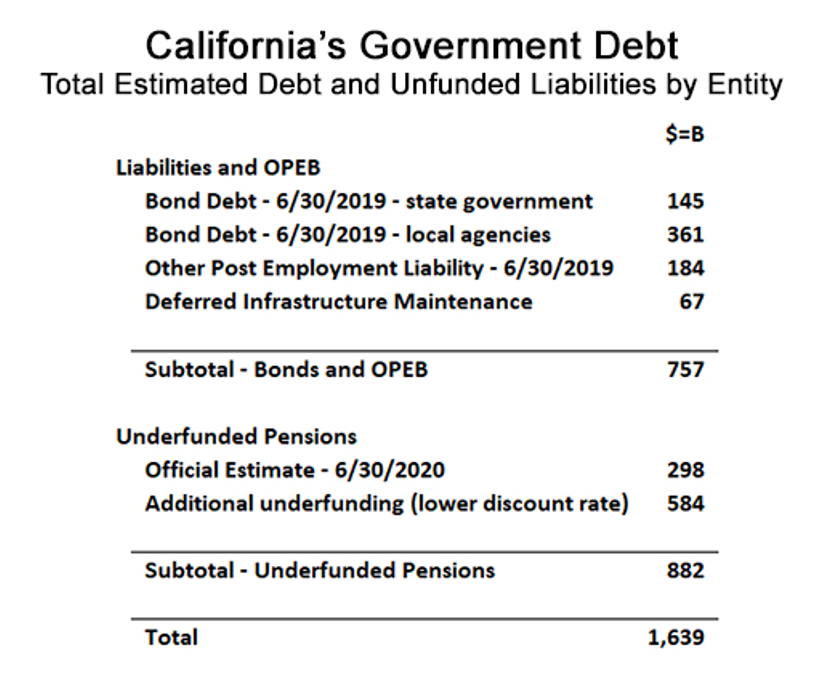
Conversely, a fiscally sound state is better positioned to invest in cutting-edge infrastructure, renewable energy projects, and public works that enhance both quality of life and economic competitiveness. California’s commitment to innovation extends beyond tech companies; it often requires substantial public funding for research, environmental protection initiatives, and educational institutions, which are essential for nurturing a dynamic, forward-thinking lifestyle. The ability to manage its “debt”—whether in the form of bonds for new projects or long-term obligations—directly correlates with its capacity to maintain and enhance these foundational elements of the Californian experience.
Travel and Tourism: Navigating the Golden State’s Economic Tides
California’s allure as a premier travel destination is undeniable, drawing millions each year to its diverse attractions. The state’s financial health, while seemingly distant from a tourist’s itinerary, actually plays a significant role in shaping the travel and tourism experience, influencing everything from the maintenance of iconic landmarks to the overall cost of a Golden State getaway.
Investing in Attractions: Sustaining the Tourist Magnet
The state’s financial solvency directly impacts its ability to invest in and maintain its vast array of tourist attractions. From the upkeep of state beaches and parks to funding for cultural institutions and historical sites, public investment is critical. For instance, the condition of roads leading to popular destinations like the Redwood National Park or the state-managed facilities along the Pacific Coast Highway are often a direct result of state budget allocations.
If California were significantly “in debt” in a way that restricted discretionary spending, it could lead to deferred maintenance, reduced staffing at visitor centers, or even limitations on public access to certain natural wonders. This, in turn, could diminish the quality of the visitor experience. A state that prudently manages its finances is better equipped to enhance its tourism infrastructure, preserve its natural beauty, and promote its unique cultural offerings, ensuring that California remains a top-tier destination for global travelers.
Budget-Friendly Versus Luxury Experiences: A Debt-Informed Perspective
The financial decisions made at the state level can also indirectly influence the pricing and availability of various travel experiences. While luxury resorts and boutique hotels largely operate independently, the overall economic climate, shaped by state fiscal policies, affects labor costs, taxes, and the cost of goods and services. A state perceived as fiscally unstable or heavily indebted might face higher borrowing costs, which could then translate into higher operational expenses for businesses, eventually reflected in consumer prices.
For budget travelers, this impact is particularly salient. State-funded campgrounds, public transportation options, and free recreational areas become crucial components of an affordable trip. If state finances are strained, these budget-friendly alternatives might see reduced funding, leading to higher fees or diminished quality. Thus, understanding California’s fiscal health can help travelers gauge the potential costs and availability of their desired lifestyle experiences, whether they aim for opulent indulgence or an economical adventure through the Golden State.
The Future of California’s Lifestyle: Prosperity and Prudence
California’s future, and the continuation of its iconic lifestyle, hinges significantly on its ability to navigate financial challenges with foresight and prudence. The cyclical nature of its economy, combined with long-term obligations, necessitates a balanced approach to budgeting that supports both present needs and future prosperity.
Sustainable Growth: Balancing Aspirations with Fiscal Reality
The “California Dream” is often synonymous with innovation, environmental leadership, and a high quality of life. Achieving these aspirations sustainably requires a robust and well-managed financial foundation. The question of California’s “debt” is less about an immediate crisis and more about the ongoing challenge of balancing ambitious public goals with fiscal reality. This involves making strategic investments in areas like renewable energy, water infrastructure, and educational pathways that contribute to long-term economic growth and a resilient lifestyle.
For residents, this translates to confidence in public services, stable communities, and a thriving job market. For potential newcomers, it signals a state that is not only dynamic but also responsibly planning for the future. The ability to manage its financial obligations, including any existing debts, is key to fostering an environment where a desirable lifestyle remains attainable and sustainable for a diverse population.

Navigating Economic Headwinds: Opportunities for Residents and Visitors
California has a long history of weathering economic storms, often emerging stronger due to its innovative spirit and diverse economy. The state’s ongoing efforts to diversify its revenue streams, manage its long-term liabilities, and build budget reserves are critical steps in mitigating the impact of future downturns. These fiscal strategies are not merely abstract financial maneuvers; they directly impact the day-to-day lives of Californians and the experiences of its visitors.
A fiscally resilient California can continue to offer world-class educational opportunities, maintain its stunning state parks, invest in cutting-edge healthcare, and support a vibrant cultural scene. For individuals seeking a particular lifestyle, whether it’s entrepreneurship in San Jose, relaxation on the Santa Barbara coast, or exploring the cultural richness of Oakland, the state’s economic stability provides a crucial backdrop. While the question of California being “in debt” is nuanced, its ongoing commitment to fiscal responsibility directly ensures the enduring appeal and accessibility of its coveted lifestyle for generations to come.
LifeOutOfTheBox is a participant in the Amazon Services LLC Associates Program, an affiliate advertising program designed to provide a means for sites to earn advertising fees by advertising and linking to Amazon.com. Amazon, the Amazon logo, AmazonSupply, and the AmazonSupply logo are trademarks of Amazon.com, Inc. or its affiliates. As an Amazon Associate we earn affiliate commissions from qualifying purchases.