
The ability to drive is a cornerstone of independent living for many, profoundly impacting an individual’s lifestyle, access to community, and overall quality of life. For seniors, maintaining driving privileges often represents more than just convenience; it symbolizes continued autonomy, the freedom to pursue hobbies, visit family, attend appointments, and engage with the world on their own terms. In California, a state synonymous with car culture and sprawling distances, the question of special DMV tests for older drivers is particularly pertinent for seniors navigating their later years. Understanding the regulations and renewal processes is crucial for upholding a vibrant, self-directed lifestyle.
Understanding Senior Driving Privileges in California
The California Department of Motor Vehicles, commonly known as the DMV, plays a pivotal role in ensuring road safety for all drivers, including its senior population. While there isn’t a single “special” test exclusively for seniors in the same vein as an initial licensing exam, the renewal process for drivers aged 70 and older introduces specific requirements designed to assess their continued fitness to drive. This approach acknowledges the potential age-related changes that can affect driving ability, such as vision, hearing, reaction time, and cognitive function, without imposing arbitrary barriers based solely on age. The overarching goal is to balance public safety with the vital importance of mobility and independence for seniors.
The Importance of Independent Mobility for Seniors
For many seniors in California, driving is not merely a mode of transport but an integral part of their daily lifestyle. It facilitates access to essential services like doctor’s appointments, grocery shopping, and pharmacy visits. Beyond necessities, driving enables participation in social activities, volunteer work, and leisure pursuits, all of which contribute significantly to mental and physical well-being. Losing the ability to drive can lead to social isolation, decreased engagement in community life, and a diminished sense of independence, often impacting overall life satisfaction. Therefore, the DMV’s process for senior drivers is a critical point where personal autonomy intersects with public safety. Understanding and preparing for this process allows seniors to proactively maintain their driving lifestyle for as long as it is safe to do so.
General DMV Requirements for All Drivers
Before delving into the specifics for seniors, it’s important to recognize that all licensed drivers in California are subject to certain general requirements regardless of age. These include holding a valid license, adhering to traffic laws, and maintaining appropriate vehicle insurance. Periodically, all drivers must renew their licenses, which typically involves a vision test and a written knowledge test. However, the interval and method of renewal can differ, especially for older drivers, reflecting the DMV’s nuanced approach to age-related driving considerations.
California’s Specific Approach to Senior Drivers
The key distinction for senior drivers in California centers around the license renewal process once a driver reaches the age of 70. This threshold triggers a more personalized assessment designed to confirm continued driving competence. Unlike younger drivers who may be eligible for online or mail renewals, seniors aged 70 and above are generally required to renew their licenses in person at a DMV office. This in-person requirement facilitates direct interaction with DMV staff, allowing for necessary screenings and, if indicated, further evaluation.
The DMV Renewal Process for Drivers 70 and Older
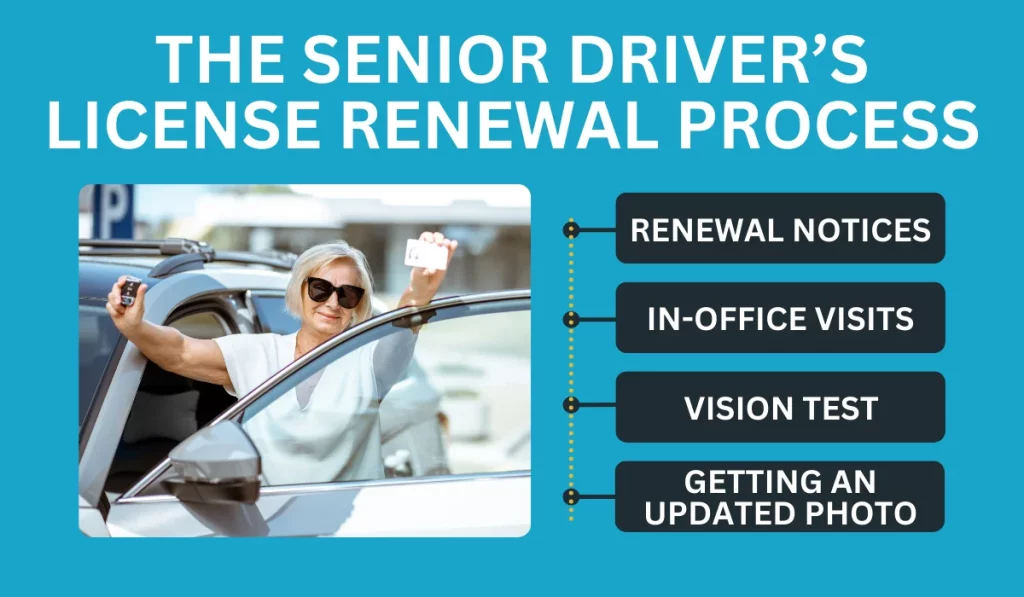
When a driver turns 70, their subsequent license renewals will require an in-person visit. During this visit, seniors will undergo several standard procedures:
- Vision Test: A crucial component, as good vision is fundamental to safe driving. This test assesses visual acuity and peripheral vision.
- Written Knowledge Test: This exam evaluates the driver’s understanding of current traffic laws, road signs, and safe driving practices. This is an opportunity for seniors to refresh their knowledge and ensure they are up-to-date with any changes in traffic regulations that may have occurred since their last renewal.
- Photo and Fingerprints: Standard identification procedures.
The in-person requirement is a proactive measure by the DMV to ensure that senior drivers meet the minimum physical and cognitive standards necessary for safe operation of a vehicle. It’s not punitive but rather a supportive step to help seniors maintain their driving lifestyle responsibly.
When a Driving Test Might Be Required
While an in-person renewal with a vision and written test is standard for seniors, a behind-the-wheel driving test is not automatically required for every driver over 70. A driving test may be mandated under specific circumstances:
- Driving Record Concerns: If a senior driver has accumulated a certain number of traffic violations or has been involved in multiple accidents, the DMV may request a driving test to re-evaluate their skills.
- Physical or Mental Conditions: If a medical condition is reported to the DMV that could impair driving ability (e.g., severe arthritis, dementia, recent stroke), a driving test may be necessary to assess the impact of the condition on driving performance.
- Observation by DMV Staff: During the in-person renewal, if DMV personnel observe signs of impairment that raise concerns about driving safety, they have the discretion to request a driving test. This could include noticeable confusion, significant unsteadiness, or difficulty understanding instructions.
- Referral from a Physician: A physician may report a patient to the DMV if they believe their medical condition poses a risk to driving safety.
It’s important to emphasize that these situations are not unique to seniors but apply to drivers of all ages when concerns arise regarding their ability to drive safely. For seniors, however, the likelihood of such evaluations can increase due to the natural aging process.
Medical Evaluation and Vision Screening
Beyond the standard vision test at the DMV office, certain medical conditions may trigger a requirement for a physician’s report. The DMV uses a “Driver Medical Evaluation” (DME) form, which a doctor completes to provide details about a driver’s health. This evaluation helps the DMV determine if a medical condition might affect driving safely and, if so, whether any restrictions (e.g., daylight driving only, no freeway driving) or further testing are necessary. Regular eye exams with an ophthalmologist or optometrist are also highly recommended for seniors, as vision changes are common with age and can impact driving performance. Ensuring optimal vision is a critical step in maintaining a safe driving lifestyle.
Preparing for the DMV Process as a Senior
Proactive preparation can significantly reduce stress and enhance the likelihood of a successful license renewal for senior drivers. Embracing this process as an opportunity to reinforce safe driving habits aligns with a healthy and responsible lifestyle.
Self-Assessment and Awareness
One of the most valuable tools for seniors is self-awareness regarding their driving abilities. Regularly asking oneself honest questions about comfort behind the wheel, reaction times, vision clarity, and confidence in various driving conditions can provide early indicators of potential issues. Do you find yourself getting lost more often? Are you having trouble seeing street signs or other vehicles? Are you getting easily agitated or confused in traffic? Family members and close friends can also offer gentle, constructive feedback. The American Automobile Association (AAA) and AARP offer self-assessment guides and quizzes specifically designed for older drivers, helping them evaluate their skills and identify areas for improvement. This self-assessment is an active step in maintaining control over one’s driving lifestyle.
Refresher Courses and Resources
Several organizations offer specialized driving courses tailored for seniors. These courses, often provided by AAA, AARP, or local community centers, focus on reviewing traffic laws, understanding age-related driving challenges, and practicing defensive driving techniques. Completing such a course can not only boost confidence but may also qualify seniors for discounts on auto insurance. Furthermore, the California DMV provides a Senior Guide for Safe Driving and a Driver Handbook, both invaluable resources for reviewing rules and preparing for the written knowledge test. Utilizing these resources demonstrates a commitment to safe driving and a proactive approach to maintaining an independent lifestyle.
What to Expect During a Driving Test (if required)
If a behind-the-wheel driving test is required, seniors should approach it as a standard evaluation of their driving skills, similar to what a new driver would experience. The test typically assesses abilities such as:
- Safe lane changes and turns
- Observation of traffic signs and signals
- Maintaining appropriate following distance
- Proper use of mirrors and signals
- Parking maneuvers
- Ability to react to various road conditions
Practicing these skills in advance, perhaps with a trusted friend or family member, can be highly beneficial. Ensuring the vehicle used for the test is in good working condition and properly registered is also essential. The objective is to demonstrate consistent, safe driving practices that allow the senior to continue enjoying the freedom and independence that driving provides.
Maintaining a Driving Lifestyle Safely and Confidently
The goal of the DMV’s process is not to restrict seniors but to ensure their continued safety and the safety of others on the road. By understanding and actively participating in the renewal process, seniors can proactively manage their driving lifestyle.
Adaptive Driving Techniques and Technology
As individuals age, minor adjustments to driving habits or vehicle setup can make a significant difference. Adaptive driving techniques include:
- Avoiding peak traffic times and complex routes.
- Limiting night driving, especially if night vision is compromised.
- Increasing following distance to allow for more reaction time.
- Planning routes in advance to reduce stress and uncertainty.
Modern vehicle technology can also aid senior drivers. Features like backup cameras, blind-spot monitoring, automatic emergency braking, and adaptive cruise control can enhance safety and confidence, enabling seniors to extend their comfortable driving years. These technological advancements contribute to a safer driving lifestyle.
Planning for Driving Retirement and Alternative Transportation
While maintaining driving independence is a priority for many seniors, it is also prudent to consider a gradual transition or “driving retirement” plan. This involves exploring alternative transportation options available in their community, such as public transit, ride-sharing services, senior transport programs, or relying on family and friends. Proactive planning helps ensure that a change in driving status does not lead to social isolation or a significant reduction in quality of life. Understanding these options is a critical aspect of holistic lifestyle planning for seniors, ensuring continued access to community and essential services even after driving is no longer feasible or safe.

The Broader Impact on Senior Lifestyle and Independence
In California, a state where personal vehicles are often essential for navigating daily life, the ability to drive significantly shapes a senior’s lifestyle. The DMV’s process, while sometimes perceived as an obstacle, is ultimately designed to support seniors in maintaining this crucial aspect of their independence for as long as possible and safe. By staying informed, preparing diligently, and utilizing available resources, seniors can navigate the license renewal process with confidence, ensuring that their driving privileges continue to support a full, active, and independent lifestyle. The emphasis remains on safe driving, allowing seniors to enjoy the freedom of the road and access all the vibrant opportunities California has to offer.
LifeOutOfTheBox is a participant in the Amazon Services LLC Associates Program, an affiliate advertising program designed to provide a means for sites to earn advertising fees by advertising and linking to Amazon.com. Amazon, the Amazon logo, AmazonSupply, and the AmazonSupply logo are trademarks of Amazon.com, Inc. or its affiliates. As an Amazon Associate we earn affiliate commissions from qualifying purchases.