
Wildfires in California have become an increasingly prominent concern for residents, policymakers, and critically, for travelers worldwide. The question of “who started” these destructive blazes is complex, intertwining natural phenomena with human activity and the broader impacts of climate change. For those planning a trip to the Golden State, understanding these origins is paramount for ensuring safety, making informed destination choices, and engaging in responsible travel practices. These fires not only reshape landscapes but also influence air quality, access to attractions, and the very perception of a destination.
Unraveling the Complexities of Wildfire Origins
Attributing the start of a wildfire requires meticulous investigation, often undertaken by state and federal agencies like CAL FIRE, the U.S. Forest Service, and local fire departments. While headlines often sensationalize, the underlying causes are usually categorized into natural occurrences and human-caused ignitions, with the latter overwhelmingly dominating the statistics.
Natural Causes: Lightning Strikes
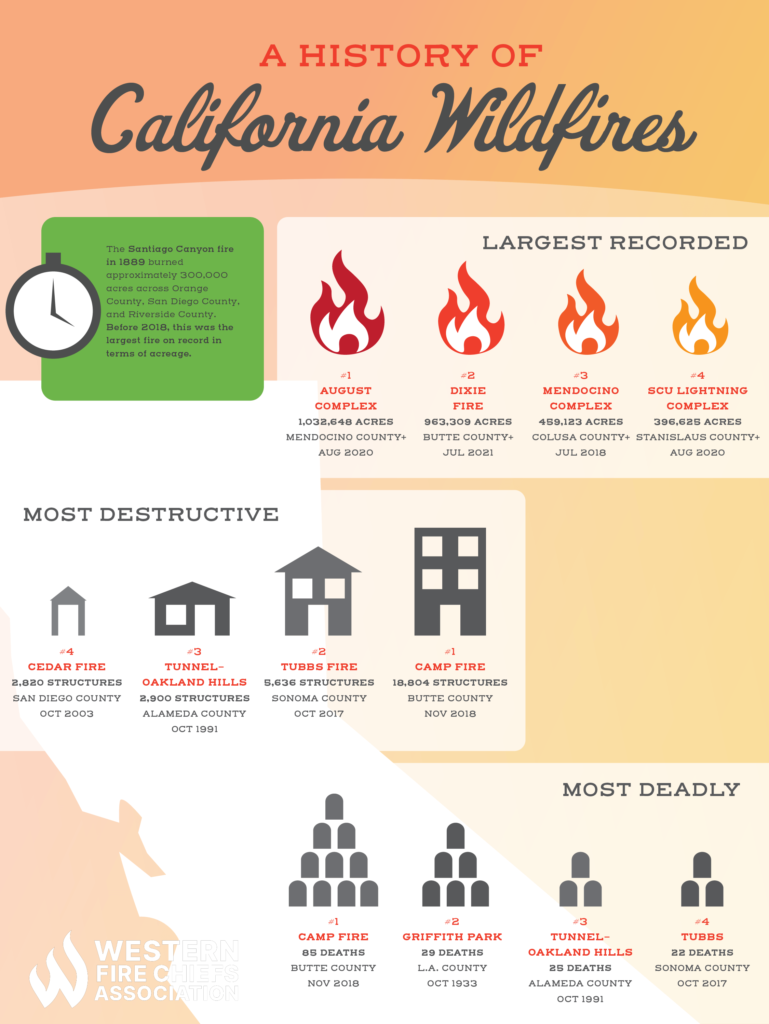
While less common, lightning strikes are a natural and undeniable source of wildfires, particularly in remote, high-elevation areas during dry thunderstorm events. These fires can sometimes smolder for days before igniting larger vegetation, making their initial detection challenging. Regions like the Sierra Nevada mountains are particularly susceptible to lightning-induced fires, especially during late summer and early fall when fuel moisture is low. Though these events account for a smaller percentage of overall fires, they often occur in wilderness areas, can grow large due to difficult access for firefighters, and contribute significantly to overall acreage burned.
Human Activity: The Dominant Factor
Despite the dramatic power of lightning, human activity is responsible for the vast majority of wildfires in California. This category encompasses a broad spectrum of incidents, ranging from accidental sparks to deliberate acts of arson. Understanding these human-driven causes is crucial for travelers, as many prevention strategies revolve around modifying human behavior and infrastructure. The sheer volume of people living in, working in, and visiting fire-prone areas significantly increases the probability of an ignition event.
The Role of Human-Caused Ignitions
Human-caused fires are not a monolithic category; they stem from various sources, many of which are preventable through awareness and stringent safety measures. These ignitions represent direct impacts of human presence on the landscape, making them critical points of focus for travel safety and destination resilience.
Electrical Infrastructure
Faulty electrical equipment, power lines, and transformers are increasingly recognized as significant contributors to large, destructive wildfires, particularly during periods of high winds and dry conditions. Utilities like Pacific Gas and Electric Company (PG&E) in Northern California and Southern California Edison in the southern part of the state have faced extensive scrutiny and legal action for fires attributed to their infrastructure. Wind-blown debris, failing equipment, or downed power lines can generate sparks capable of igniting dry vegetation, often with devastating speed and scale. This has led to proactive measures such as Public Safety Power Shutoffs (PSPS) during extreme fire weather, which, while disruptive, aim to prevent catastrophic ignitions.
Equipment Use and Malfunctions
Sparks from various types of equipment are frequent culprits. These can include:
- Vehicles: Hot catalytic converters, trailer chains dragging on asphalt, or sparks from off-road vehicles can easily ignite dry grasses along roadsides or trails.
- Agricultural Equipment: Tractors, mowers, and harvesting machinery, especially in dry fields, can produce sparks or generate heat sufficient to start a fire.
- Construction and Industrial Equipment: Grinders, welders, and other tools used in construction or industrial settings can cast sparks over considerable distances. Travelers engaging in recreational activities involving vehicles or observing agricultural practices should be aware of these inherent risks.
Campfires and Open Burning
One of the most traditional and recognizable causes of human-ignited fires is the campfire. Unattended campfires, improperly extinguished coals, or sparks escaping from an open burn pile can quickly escalate into a wildfire. Despite widespread public education campaigns and strict regulations, particularly in national parks like Yosemite National Park or state parks, these incidents continue to occur. Travelers planning to camp in California must always check local fire restrictions, ensure their fires are always attended, and fully extinguish them with water and dirt before leaving.
Arson and Intentional Acts
While less frequent in overall numbers compared to accidental ignitions, intentionally set fires by arsonists can be among the most challenging to predict and control. The motives behind arson vary widely, from malicious intent to psychological disturbances. These acts are criminal offenses with severe penalties, and authorities tirelessly work to identify and prosecute those responsible. For travelers, awareness of suspicious activity and prompt reporting can be a small but vital contribution to prevention.
Vehicle-Related Incidents
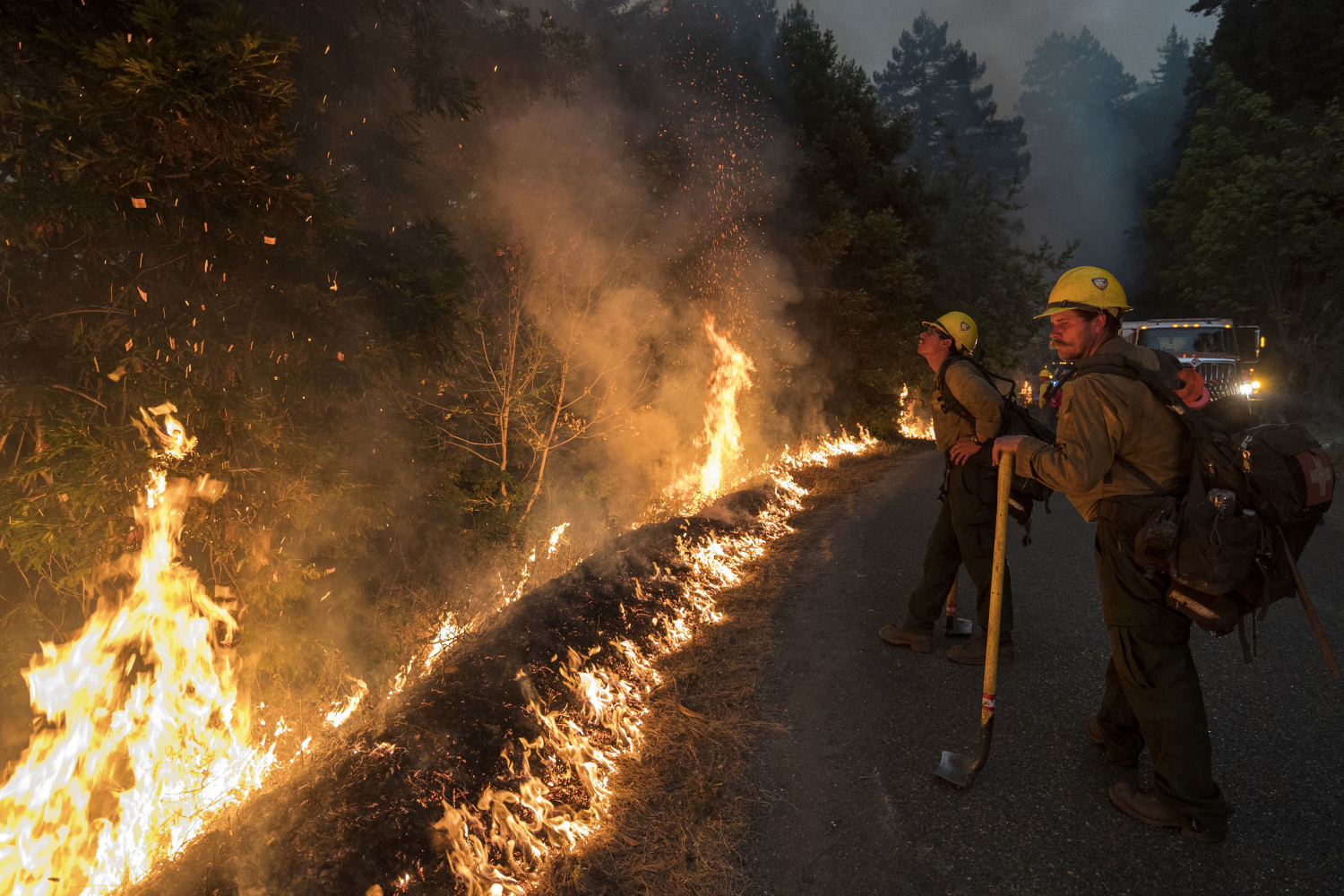
Beyond sparks from vehicle parts, other vehicle-related incidents can trigger fires. Accidents, such as rollovers that damage electrical systems or rupture fuel lines, can create ignition sources. Discarded cigarettes flicked from car windows are also a perennial problem, especially along highways and rural roads where dry vegetation is abundant. Public awareness campaigns often target these behaviors, emphasizing the collective responsibility of all drivers.
Climate Change and Fuel Management: Exacerbating Factors
While lightning or human activity might provide the spark, broader environmental conditions significantly determine a fire’s intensity, speed, and overall destructiveness. Climate change and historical land management practices have created a landscape highly susceptible to extreme fire behavior, transforming what might have been small, manageable blazes into megafires.
Drought and Extreme Heat
California has experienced a prolonged and intensifying cycle of drought, leading to exceptionally dry vegetation across vast swaths of the state. Coupled with record-breaking heat waves, these conditions create a tinderbox environment. Higher temperatures desiccate forests and brush, making them more flammable, while drought stresses trees, making them more vulnerable to insect infestations, which further increases the fuel load. For travelers, this means a longer and more intense fire season, often extending beyond traditional summer months, influencing the best times to visit certain areas.
Decades of Fire Suppression
Historically, fire management policies in California and across the United States focused on aggressively suppressing all wildfires. While this protected communities in the short term, it inadvertently led to an accumulation of dense undergrowth, dead trees, and brush – often referred to as “fuel.” Forests that once experienced frequent, low-intensity fires (which cleared out underbrush naturally) are now overgrown, creating conditions for unnaturally severe crown fires that are far more difficult to contain. This shift necessitates new approaches, including prescribed burns and forest thinning, which some destinations like Lake Tahoe are actively implementing to safeguard their natural beauty and visitor safety.
The Wildland-Urban Interface
The expanding wildland-urban interface (WUI) – where human developments meet undeveloped wildland or vegetative fuels – is a critical factor. As more homes and communities are built in traditionally wild areas, the risk of human-caused ignitions increases, and the consequences of fire become more severe. This proximity complicates firefighting efforts and elevates the stakes for both residents and the tourism industry, particularly in scenic regions such as Napa Valley or around Santa Barbara.
Implications for Travelers and Destinations
The origins and exacerbating factors of California wildfires directly impact the travel experience, from planning and safety to the long-term viability of destinations.
Travel Safety and Preparedness
Understanding the causes of wildfires directly informs travel safety. Travelers should always check current fire conditions and air quality advisories before and during their trip, especially if visiting natural areas. Resources like CAL FIRE’s incident map or the National Interagency Fire Center provide real-time updates. Carrying an emergency kit, having multiple evacuation routes planned, and understanding local emergency communication protocols are essential, particularly when exploring remote attractions or embarking on road trips through fire-prone corridors. Air quality, even far from active fires, can be severely affected by smoke, impacting outdoor activities and health for sensitive individuals.
Impact on Tourist Destinations and Attractions
Wildfires can devastate iconic tourist destinations. Natural attractions like parts of Sequoia National Park or portions of scenic highways can be closed for extended periods, sometimes for years, due to active fires, smoke, or subsequent hazards like mudslides. Even destinations that are not directly burned can experience significant downturns in tourism due to perceptions of danger, poor air quality, or simply a desire to avoid an area perceived as being in crisis. The rebuild and recovery efforts in towns like Paradise following the Camp Fire highlight the long-term challenges faced by communities heavily reliant on tourism.
Responsible Travel in Fire-Prone Regions
For travelers, knowledge of wildfire origins translates into a responsibility to mitigate risk. This includes:
- Adhering to Fire Restrictions: Strictly following rules regarding campfires, barbecues, and smoking, especially during periods of high fire danger.
- Mindful Equipment Use: Ensuring vehicles are well-maintained to prevent sparks, and exercising extreme caution with any equipment that could generate heat or friction.
- Reporting Suspicious Activity: Being vigilant for potential arson or unsafe practices and reporting them to authorities.
- Supporting Local Economies: After a fire, supporting businesses in affected but safe areas helps recovery.

Looking Ahead: Prevention and Adaptation
The question of “who started the wildfires” is less about blaming individuals and more about identifying systemic vulnerabilities and human behaviors that contribute to these devastating events. For the travel sector and those who cherish California’s diverse landscapes, the future demands a multifaceted approach. This includes significant investment in modernizing electrical grids, improving forest health through prescribed burns and thinning, stringent enforcement of fire safety regulations, and continuous public education. As climate change continues to intensify fire seasons, adaptation strategies for communities and travelers alike will become increasingly vital to ensure the Golden State remains a safe and welcoming destination.
LifeOutOfTheBox is a participant in the Amazon Services LLC Associates Program, an affiliate advertising program designed to provide a means for sites to earn advertising fees by advertising and linking to Amazon.com. Amazon, the Amazon logo, AmazonSupply, and the AmazonSupply logo are trademarks of Amazon.com, Inc. or its affiliates. As an Amazon Associate we earn affiliate commissions from qualifying purchases.