
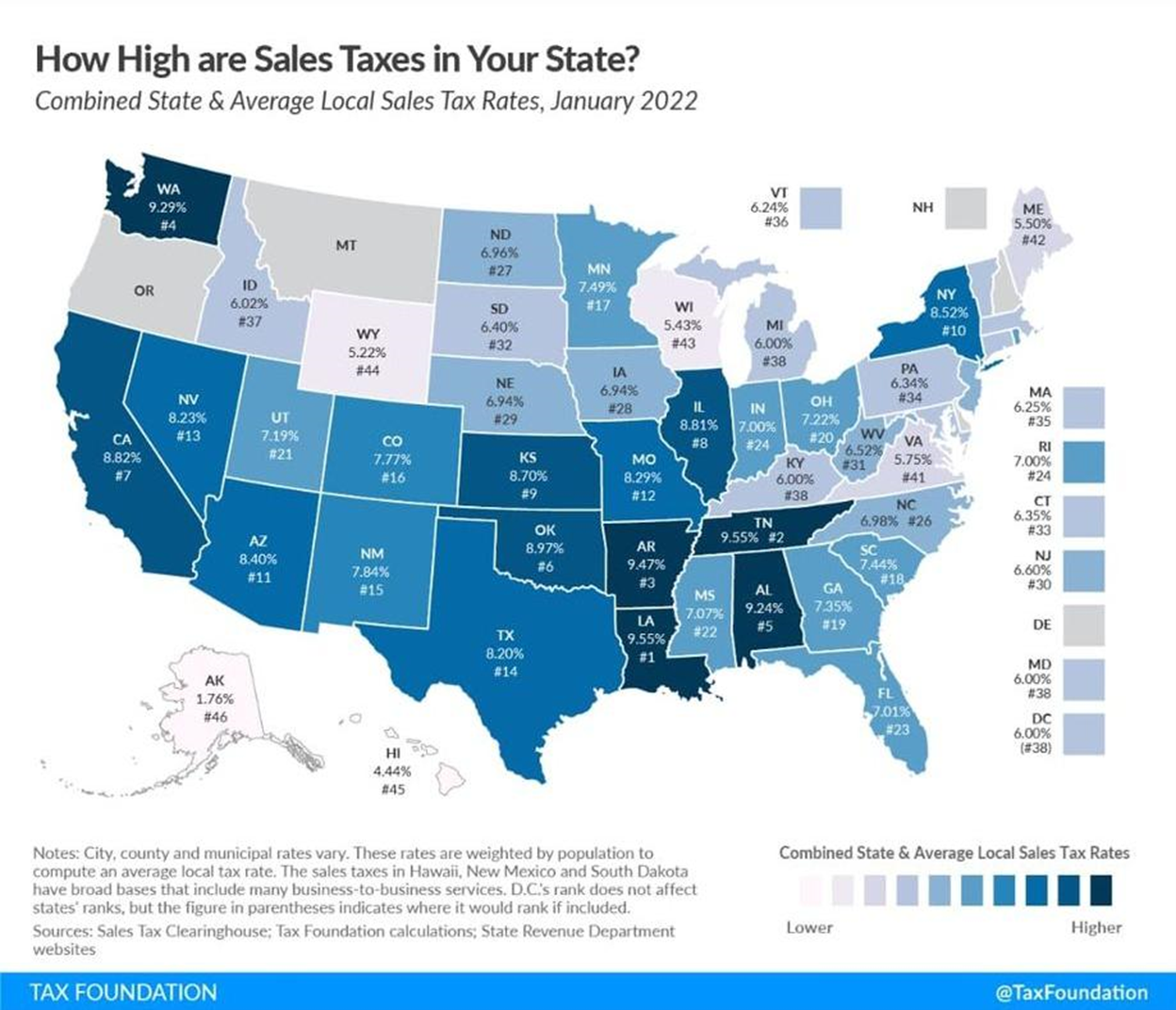
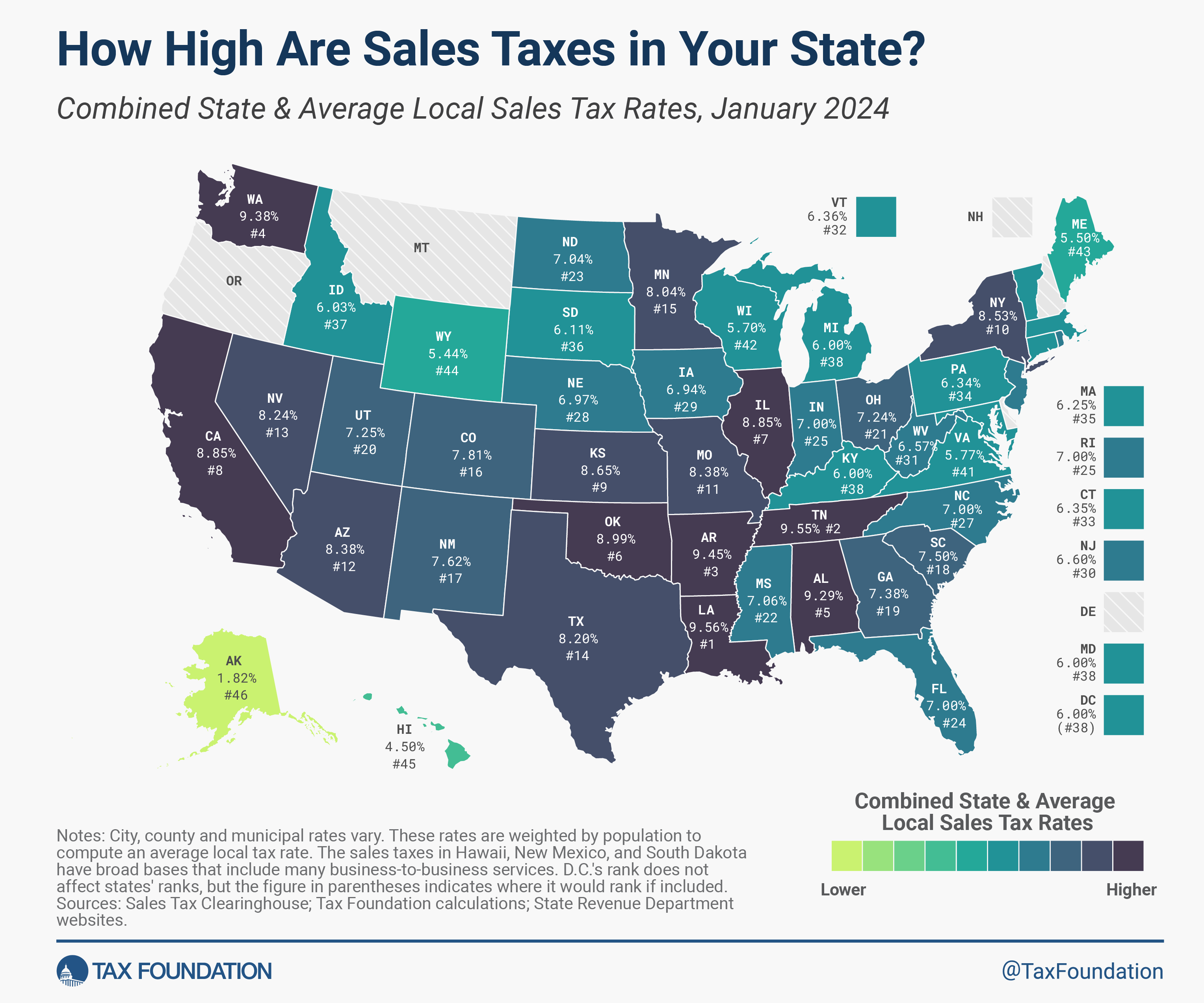
For many travelers planning an adventure to the Last Frontier, the question of sales tax is a critical component of budgeting. Alaska, renowned for its breathtaking landscapes, diverse wildlife, and vibrant indigenous cultures, presents a unique economic landscape that often surprises first-time visitors. Unlike the vast majority of U.S. states, Alaska does not levy a statewide sales tax. This absence can significantly impact a tourist’s spending power, especially when comparing it to other popular vacation destinations. However, the absence of a statewide sales tax doesn’t mean tourists are entirely exempt from local taxes, which vary considerably depending on where you choose to explore within this expansive state. Understanding these nuances is key to an informed and enjoyable Alaskan adventure.
Unpacking Alaska’s Unique Tax Landscape for Tourists
The tax structure in Alaska is often a pleasant surprise for many visitors, but it requires a bit of clarification to fully grasp its implications for your travel budget. The statewide sales tax, a common revenue source for most states, simply does not exist here. This policy decision significantly impacts the price of consumer goods and many services across the state, creating a distinct advantage for Alaskan tourists compared to those visiting other destinations.
The Statewide Sales Tax Myth
When people ask “Is there sales tax in Alaska?”, the most common, and initially correct, answer is no. This fundamental difference from the rest of the nation means that when you purchase most items—from a souvenir t-shirt to a meal at a diner—you generally won’t see an additional percentage tacked on at the register for a state sales tax. This can make budgeting simpler and often leads to slightly lower overall costs for everyday purchases. However, it’s crucial to understand that this applies only to the state level. The local level tells a different, more complex story.
Local Sales Taxes: The Reality on the Ground
While the state government foregoes a sales tax, it permits individual cities, boroughs, and other local jurisdictions to impose their own sales taxes. These local sales taxes vary widely, ranging from zero in some areas to several percentage points in others. For a tourist, this means the cost of goods and services can differ based on the specific community you are visiting. Coastal towns, often popular cruise ship stops, might have higher local sales taxes to support their municipal services, while more remote, inland communities might have none. For instance, a coffee purchased in Anchorage or Fairbanks might not have a sales tax, but the same coffee in Juneau could be subject to a local sales tax. These local taxes are typically applied to retail sales, restaurant meals, and various services, directly affecting the daily expenses of a traveler.
Understanding the “Visitor” Perspective
For tourists, the local sales tax structure necessitates a bit of pre-trip research. Unlike a uniform statewide rate, which is easy to factor into calculations, Alaska’s patchwork of local taxes means that an item priced at $10 in one town might cost $10.50 (with a 5% local tax) in another. This variability is particularly relevant for those planning a multi-city itinerary or a road trip through different regions. While still generally favorable compared to many other states, being aware of these local distinctions helps avoid unexpected costs and allows for more accurate budgeting for souvenirs, dining, and other purchases that contribute to the overall tourism experience.
Key Tourist Destinations and Their Tax Implications
The application of local sales taxes across Alaska’s vast geography directly impacts tourist spending. Knowing which popular destinations levy a local sales tax can significantly aid in financial planning for your trip, especially when considering expenditures on local culture, food, and activities.
Anchorage and Fairbanks: The Big Cities
Anchorage, Alaska’s largest city, and Fairbanks, the second largest and gateway to the Interior and Arctic, generally do not impose a local sales tax on retail goods and services. This is excellent news for tourists planning to spend time in these urban hubs. When shopping for outdoor gear, souvenirs, dining at restaurants, or booking local excursions within these cities, you typically won’t see an additional sales tax percentage added to your bill. This can make these cities attractive bases for travelers looking to maximize their budget on experiences rather than taxes. However, both cities, like most jurisdictions, do levy lodging taxes on hotel stays, which we will delve into later.
Juneau and Southeast Alaska: Cruise Ship Hubs
The communities of Southeast Alaska, including the capital city of Juneau, Ketchikan, and Skagway, often operate with local sales taxes. These towns are frequently visited by cruise ships, and the local sales tax serves as a significant revenue source to support the infrastructure and services required for the influx of tourists. For example, Juneau typically has a local sales tax (often around 5%), which applies to purchases like restaurant meals, gifts, and tours. Ketchikan and Skagway also impose their own local sales taxes, which can be around 5.5% and 5%, respectively, though rates can fluctuate. Tourists exploring these vibrant port cities should factor these percentages into their spending on local art, fresh seafood, and unique excursions such as whale watching or historical railway rides.
Kenai Peninsula and Other Popular Regions
Beyond the major cities and the southeast, other popular tourist regions present a mixed bag. The Kenai Peninsula, famous for its fishing, glaciers, and wildlife viewing opportunities in towns like Seward and Homer, generally imposes local sales taxes. Seward, for instance, often has a sales tax that applies to many tourist-related purchases, including fishing charters, glacier tours, and dining. Homer, known for its “Halibut Fishing Capital of the World” status and the scenic Homer Spit, also typically levies a local sales tax. Inland areas, such as Denali Borough (home to Denali National Park), might have local sales taxes that affect purchases made by visitors to the park’s gateway communities. Always confirm the specific local tax rate for your precise destination to avoid surprises.
Budgeting for Your Alaskan Adventure: Beyond Sales Tax
While the sales tax situation is a key consideration, it’s just one piece of the financial puzzle for an Alaskan trip. A comprehensive budget should account for various other expenses that shape the overall cost of your journey, particularly those related to accommodation, food, activities, and souvenirs.
Accommodation Taxes
Regardless of the presence or absence of a local sales tax, nearly all cities and boroughs in Alaska levy a lodging tax (also known as a bed tax or room tax) on hotel, motel, and other short-term rental stays. These taxes are an important revenue stream for local governments and help fund tourism promotion and infrastructure. Lodging tax rates vary significantly, often ranging from 5% to 12% or more, depending on the municipality. For instance, while Anchorage has no sales tax, it does have a substantial lodging tax. It’s crucial to factor this into your accommodation budget, as it can add a significant amount to the total cost of your stay, especially for longer trips or stays in higher-end resorts.
Food and Dining Costs
The cost of food and dining in Alaska can be higher than in the Lower 48, largely due to transportation costs for imported goods. While the lack of statewide sales tax can offset some of this, restaurant meals, especially in tourist-heavy areas, can be pricey. In towns with local sales taxes (like Juneau or Seward), that tax will be applied to your restaurant bill. For budget-conscious travelers, purchasing groceries from local supermarkets (where statewide sales tax is absent and local sales taxes may or may not apply depending on the location) and preparing some meals can lead to substantial savings. Exploring local diners and food trucks can also offer a more authentic and often more affordable culinary experience.
Activity and Excursion Expenses
Alaska is a destination built on experiences, from glacier cruises and bear viewing tours to fishing charters and flightseeing trips. These activities are often the largest single expense for many tourists. The pricing for excursions is usually all-inclusive, but if booking directly in a town with a local sales tax, that tax might be applied to the activity fee. It’s always wise to confirm this when booking. Many tour operators, especially those based out of cities without local sales tax like Anchorage or Fairbanks, will not add sales tax to their services. However, prices are generally set to reflect the high operational costs in Alaska, so booking in advance and comparing operators is always a good strategy.
Souvenirs and Local Crafts
Shopping for souvenirs, from exquisite Native Alaskan art to locally made crafts, is a highlight for many visitors. The tax implications for these purchases depend entirely on the municipality where you buy them. In cities without local sales tax, the price tag is generally what you pay. In towns like Ketchikan or Skagway, a local sales tax will be added to your purchase. This makes unique items, often found in smaller, independent shops, slightly more expensive in tax-levying areas. Consider supporting local artisans directly, as their pricing structure might sometimes be more transparent regarding the final cost.
Smart Spending Tips for Alaskan Tourists
Navigating the financial aspects of an Alaskan journey can be streamlined with a few smart strategies, particularly concerning local taxes and overall expenses.
Research Your Destination’s Local Taxes
Before embarking on your trip, identify the cities and towns you plan to visit and quickly search for their local sales tax rates. Websites for the city or borough governments are usually reliable sources. Knowing in advance whether a 0%, 3%, or 7% local sales tax applies will help you set a more accurate budget for shopping and dining in specific areas. This foresight is especially useful for those planning to buy higher-value items or enjoying multiple meals out.
Factor in Lodging and Car Rental Taxes
Remember that even in areas without a sales tax, lodging taxes are almost universal. These can add a significant percentage to your accommodation costs. Similarly, car rental companies often impose various fees and taxes, which can include local sales taxes in certain jurisdictions, as well as vehicle licensing fees. Always review the “total estimated cost” when booking hotels and rental cars to get a clear picture of the final price, inclusive of all taxes and fees.
Plan for High Season Price Hikes
Alaska’s peak tourist season, typically from late May to early September, sees a surge in prices across the board for everything from flights and accommodations to popular tours. While sales tax rates remain constant, the base prices for goods and services can be significantly higher during these months due to demand. Traveling during the shoulder seasons (late April/early May or late September/early October) can sometimes offer more favorable pricing, though weather conditions and activity availability may differ.
Embrace Local Markets and Independent Shops
For a taste of local culture and potentially better value, seek out farmers’ markets and independent shops. In communities where there is no local sales tax, these venues offer an opportunity to purchase fresh produce, baked goods, and unique crafts directly from producers without an added percentage. Even in towns with a sales tax, supporting local businesses provides an authentic experience and often yields more distinctive finds than larger chain stores. Plus, engaging with locals can provide invaluable insights into the best hidden gems and cost-effective experiences.
The Overall Economic Impact on Your Alaskan Trip
The unique tax environment in Alaska plays a subtle yet significant role in shaping the tourist experience and budget. While not always the primary concern, it contributes to the overall financial landscape of your journey.
Comparing to Other Tourist Destinations
When contrasting an Alaskan vacation with trips to states like California or Florida, where statewide sales taxes often hover around 6-8% (plus local variations), Alaska’s lack of a state sales tax can translate to tangible savings on purchases. This is particularly noticeable if you plan on buying souvenirs, clothing, or other consumer goods. However, these savings can be offset by the higher base costs for services and imported goods in Alaska, driven by transportation logistics and seasonal demand. Therefore, the “no sales tax” benefit is more about avoiding an additional cost rather than guaranteeing universally cheaper prices.
Supporting Local Economies
Understanding and acknowledging the local tax structure also helps tourists appreciate how their spending contributes to the communities they visit. In areas with local sales taxes, these revenues directly fund local government services, infrastructure, and often, tourism initiatives that enhance the visitor experience. By purchasing goods and services from local businesses, whether in a sales-tax-free city or one with a local levy, tourists play a vital role in sustaining Alaska’s unique local cultures and economies, ensuring these pristine destinations remain vibrant and accessible for future generations of adventurers.
LifeOutOfTheBox is a participant in the Amazon Services LLC Associates Program, an affiliate advertising program designed to provide a means for sites to earn advertising fees by advertising and linking to Amazon.com. Amazon, the Amazon logo, AmazonSupply, and the AmazonSupply logo are trademarks of Amazon.com, Inc. or its affiliates. As an Amazon Associate we earn affiliate commissions from qualifying purchases.