
When considering any form of travel or a prolonged stay away from one’s primary residence, particularly in a diverse and dynamic location like California, understanding the nuances of insurance and liability becomes paramount. While the primary focus for many travelers or temporary residents in California might be on booking comfortable accommodation or planning exciting experiences, a robust understanding of protective policies can offer invaluable peace of mind. This exploration delves into the fire insurance and liability policies available to those staying in various forms of accommodation within the Golden State, from short-term vacation rentals to longer-term leases.

Understanding Key Insurance Concepts for California Stays
Before diving into specific policy types, it’s crucial to grasp the foundational elements of insurance relevant to travelers and temporary residents in California. The state’s unique geographical landscape, prone to seismic activity and wildfires, underscores the importance of specific coverages.
Fire Insurance
Fire insurance, often a component of broader homeowners or renters insurance, is designed to protect your dwelling and personal property against damage or destruction caused by fire. In the context of travel or temporary stays, this coverage becomes particularly relevant if you are renting a property.
- Dwelling Coverage: This protects the physical structure of the property you are occupying. In a rental situation, this is typically the responsibility of the property owner, who should have their own homeowner’s insurance. However, understanding that a fire can render a hotel, resort, or vacation rental uninhabitable is key.
- Personal Property Coverage: This covers your belongings – furniture, electronics, clothing, and other personal items – against fire damage. When staying in a hotel or a furnished rental, your personal property insurance from your primary residence may extend to cover items in transit and at your temporary location. However, the extent of this coverage can vary significantly.
- Loss of Use Coverage (Additional Living Expenses): This is a critical component, especially for extended stays. If a fire makes your temporary accommodation uninhabitable, this coverage helps pay for the cost of alternative accommodation and essential living expenses (like meals and laundry) while your primary dwelling is being repaired or rebuilt. For vacation rentals, this might mean covering the cost of a comparable vacation rental.
Liability Insurance
Liability insurance protects you financially if you are found legally responsible for causing injury to another person or damage to their property. In the context of accommodation, this is most relevant when you are the “occupier” of a space, whether it’s a hotel room, a vacation rental, or a short-term apartment.
- Premises Liability: If a guest or visitor in your rented space is injured due to a condition you created or failed to address (e.g., a slippery floor you didn’t warn about, or a faulty appliance you were using), premises liability coverage can help cover medical expenses, legal fees, and any damages awarded.
- Property Damage Liability: This covers the cost of repairing or replacing property belonging to others that you accidentally damage. For instance, if you accidentally cause a significant fire in your rental unit that damages the structure or neighboring units, this coverage would be essential.
Types of Accommodation and Corresponding Insurance Considerations
The type of accommodation you choose in California significantly influences the insurance landscape and your responsibilities.
Hotels and Resorts
When staying in a hotel or resort in California, the primary responsibility for fire insurance on the structure and general liability for slip-and-fall incidents within common areas typically rests with the establishment.
- Hotel/Resort Fire Insurance: The hotel or resort will carry its own insurance to cover the building and its contents.
- Hotel/Resort Liability Insurance: These establishments maintain significant liability insurance to protect guests from accidents occurring on their premises. However, this does not absolve guests of all responsibility.
- Guest Liability: While the hotel is insured, guests can still be held liable for damages they intentionally cause or for extreme negligence. For example, starting a fire due to reckless behavior could lead to personal liability for the guest. Many credit cards offer some level of travel insurance, which may include trip cancellation, interruption, and sometimes even personal liability coverage for certain incidents during your stay. It is advisable to check the terms and conditions of your credit card benefits.
Vacation Rentals (e.g., Airbnb, VRBO)
Renting a private home, apartment, or condo through platforms like Airbnb or VRBO in California presents a more complex insurance scenario, as you are essentially acting as a temporary tenant.
- Renter’s Insurance (for Guests): Many guests mistakenly believe their homeowner’s insurance is sufficient. While it may offer some coverage for personal belongings while traveling, it often lacks robust protection for the specific risks associated with renting a property. A dedicated renter’s insurance policy, or a rider on your existing homeowner’s policy, can cover your personal property in the rental and provide liability protection. This is particularly important for higher-value items.
- Host Insurance: Platforms like Airbnb and VRBO offer host protection programs. For example, Airbnb has the AirCover for Hosts program, which provides damage protection and liability coverage for eligible hosts. However, these programs may have limitations and exclusions, and it’s essential for hosts to understand their coverage.
- Guest Liability in Vacation Rentals: As a guest, you are responsible for the property during your stay. If you cause a fire through negligence (e.g., leaving cooking unattended, improper use of heating devices) or accidentally damage the property, you could be liable for repairs or replacement costs. Your renter’s insurance or personal liability coverage would be crucial here. The loss of use for the owner due to your actions could also become a financial concern.
Long-Term Stays and Serviced Apartments
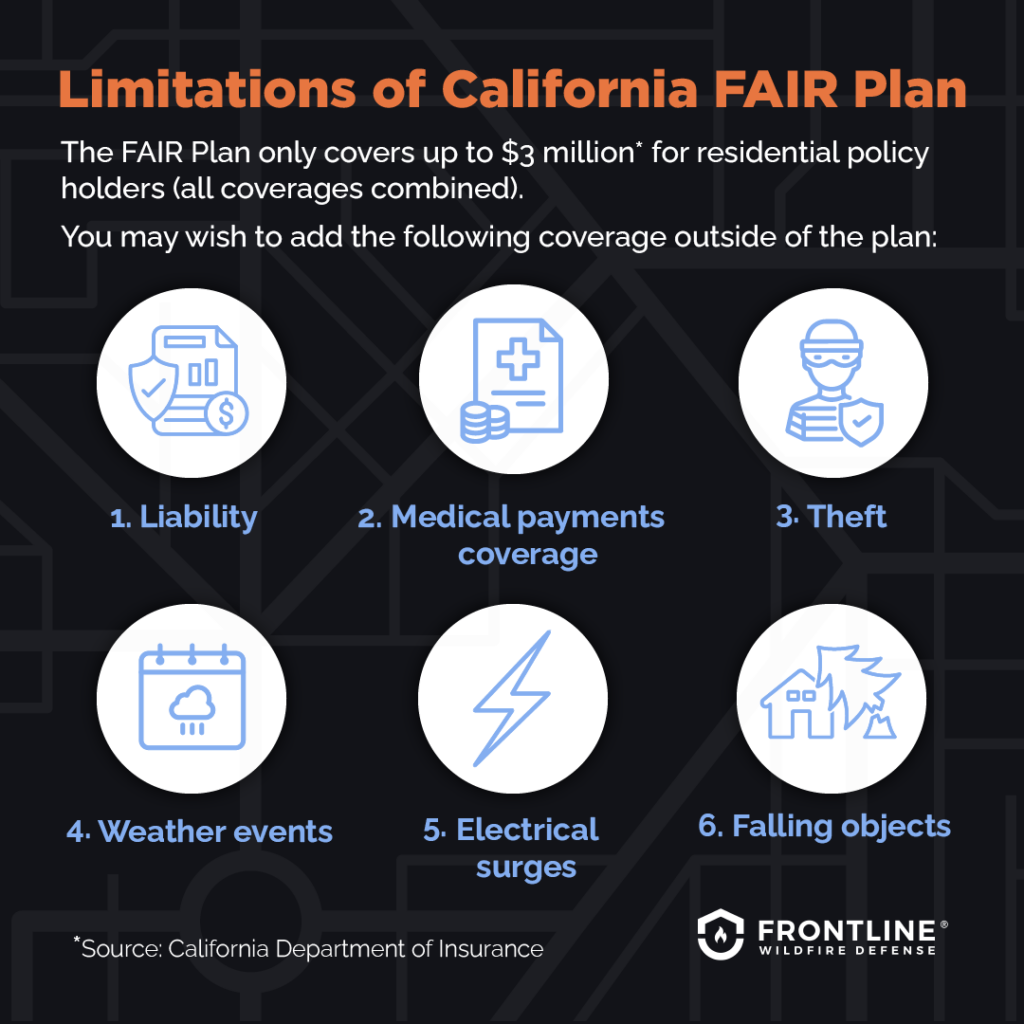
For extended stays, such as those in serviced apartments or during business trips that necessitate a longer duration in California, insurance needs can resemble those of a renter.
- Renter’s Insurance is Essential: For serviced apartments or any rental situation exceeding a few weeks, obtaining a California renter’s insurance policy is highly recommended. This policy will cover your personal belongings against fire, theft, and other covered perils, and crucially, provide personal liability coverage.
- Landlord’s Insurance: The owner or management company of the serviced apartment complex will have their own insurance covering the building. However, this does not cover your personal possessions or your liability as an occupant.
- Business Travel Insurance: If your stay is for business purposes, your employer may offer business travel insurance, which could include provisions for accommodation incidents. It’s vital to clarify the scope of this coverage.
Specific Considerations for California
California’s unique environment necessitates a closer look at specific risks and policy availability.
Wildfire Risk
California is particularly susceptible to wildfires. While insurance policies generally cover fire damage, the increasing frequency and severity of wildfires can lead to:
- Policy Exclusions and Higher Premiums: Insurers may implement stricter underwriting guidelines, offer limited coverage in high-risk zones, or charge significantly higher premiums for properties in fire-prone areas. This can affect owners and, indirectly, renters if the cost of insurance is passed on.
- Limited Availability: In some extreme cases, obtaining comprehensive fire insurance in certain very high-risk California areas can become challenging.
- Understanding “Fire Insurance” in a Rental Context: When renting, your primary concern regarding fire is less about insuring the structure (that’s the owner’s job) and more about protecting your belongings and having liability coverage for any damage you might cause or damage that occurs within your unit due to your actions or negligence.
Earthquake Risk
While this article focuses on fire insurance, it’s worth noting that California also has a high earthquake risk. Standard fire insurance policies typically do not cover earthquake damage. If you are renting or staying long-term, and the property is significantly damaged by an earthquake, leading to the need for alternative accommodation, your “loss of use” coverage under fire insurance might not apply if the primary cause of damage was seismic, not fire. Separate earthquake insurance is usually required for such coverage.
Recommendations for Travelers and Temporary Residents
To navigate the insurance landscape effectively when staying in California, consider the following:
Assess Your Current Coverage
- Homeowner’s/Renter’s Insurance: Review your existing policy. Does it extend coverage for personal property while traveling? What are the limits? Does it include personal liability coverage?
- Credit Card Benefits: Check the travel insurance and protection benefits offered by your credit cards. These can sometimes provide a valuable safety net.
Purchase Supplemental Policies If Necessary
- Travel Insurance: For shorter trips or if your existing policies are insufficient, consider purchasing comprehensive travel insurance that includes coverage for trip interruption (due to natural disasters or other covered events), personal liability, and potentially even coverage for rental car damage.
- Short-Term Renter’s Insurance: For vacation rentals or stays of a few months, explore options for short-term renter’s insurance policies designed for people on the move. These can offer a good balance of coverage and affordability.
Read the Fine Print
- Rental Agreements: Carefully review all rental agreements, whether for a vacation rental, serviced apartment, or even a hotel booking. Pay attention to clauses regarding damage, liability, and the guest’s responsibilities.
- Policy Documents: Thoroughly read and understand the terms, conditions, exclusions, and deductibles of any insurance policy you consider or purchase.
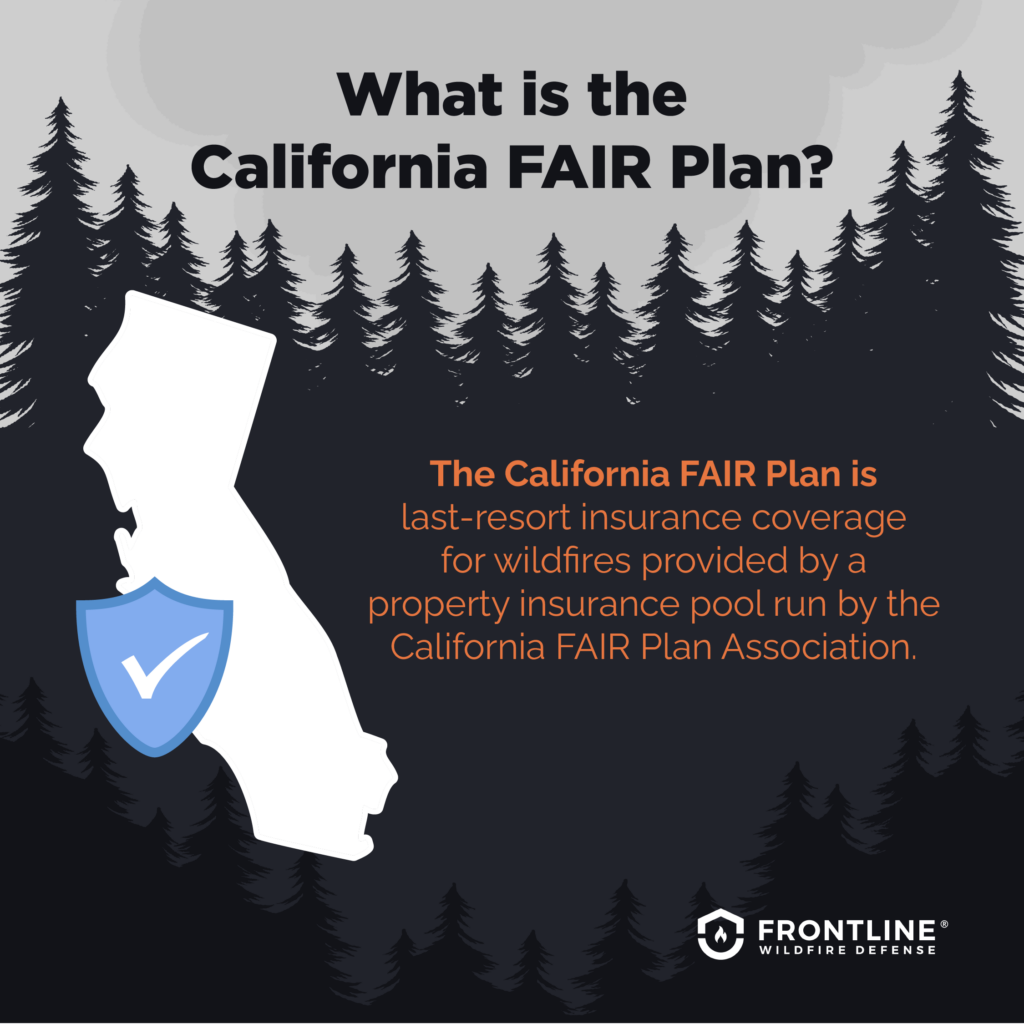
Document Your Belongings
- Inventory: Before your trip, create a digital inventory of your valuable belongings, including photos or videos. This will be invaluable if you need to file a claim for damaged or stolen items.
By proactively understanding the available fire insurance and liability policies, travelers and temporary residents in California can make informed decisions to protect themselves, their belongings, and their financial well-being, ensuring a more secure and enjoyable experience across the diverse landscapes and accommodations the state offers.
LifeOutOfTheBox is a participant in the Amazon Services LLC Associates Program, an affiliate advertising program designed to provide a means for sites to earn advertising fees by advertising and linking to Amazon.com. Amazon, the Amazon logo, AmazonSupply, and the AmazonSupply logo are trademarks of Amazon.com, Inc. or its affiliates. As an Amazon Associate we earn affiliate commissions from qualifying purchases.