
In the diverse and progressive landscape of California, a domestic partnership represents a significant legal and social alternative to traditional marriage. For couples navigating their lives together, understanding this status is crucial, especially when considering shared responsibilities, future planning, and how it shapes their overall lifestyle choices, from financial decisions to embarking on memorable family trips or planning luxury travel experiences. This legal framework offers a comprehensive set of rights and obligations, mirroring many of those afforded to married couples, thereby solidifying a committed relationship within the eyes of the law.
Defining the Modern Partnership for a Shared Lifestyle
A domestic partnership in California is a legal relationship between two individuals who live together and have registered their partnership with the state. It’s a formal commitment that grants partners certain rights and protections similar to those of married spouses, but without the traditional institution of marriage. This framework is particularly appealing to many who seek legal recognition and stability for their relationship while maintaining distinct personal preferences or cultural beliefs.

Initially, domestic partnerships were primarily established to provide same-sex couples with legal recognition when marriage was not an option. However, the scope has since expanded significantly. As of today, domestic partnerships are available to:
- Same-Sex Couples: All same-sex couples residing in California are eligible, regardless of age (though minors need parental consent, as with marriage).
- Opposite-Sex Couples Over 62: Heterosexual couples are eligible if at least one partner is 62 years of age or older, and they meet specific eligibility criteria, often related to Social Security benefits. This provision addresses a unique demographic that may seek to secure legal rights and benefits without impacting pensions or other entitlements tied to marital status.
The decision to enter into a domestic partnership often stems from a desire to formalize a committed relationship, ensuring legal safeguards and benefits that impact daily life and long-term planning. This includes critical aspects like healthcare decisions, property rights, and inheritance, all of which are foundational to building a shared lifestyle and future.
Navigating Rights and Responsibilities: Implications for Couples’ Lifestyle and Travel
Choosing a domestic partnership significantly alters a couple’s legal and financial landscape, directly influencing their shared lifestyle. The rights and responsibilities bestowed upon registered domestic partners in California are extensive, mirroring most state-level benefits and obligations of marriage. Understanding these implications is vital, especially for couples planning their joint future, managing finances, and considering travel.
Financial and Property Management
Upon registration, domestic partners are generally granted rights and responsibilities regarding community property, similar to married spouses. This means assets acquired during the partnership are typically considered joint property, and debts incurred are often shared. For couples planning their financial future, this has profound implications:
- Joint Accounts and Investments: Managing shared finances for major purchases, savings, or investments becomes streamlined. This collaborative financial planning can directly impact a couple’s ability to save for significant luxury travel experiences, buy a home, or simply manage everyday expenses.
- Estate Planning: Domestic partners gain inheritance rights, allowing for the transfer of property without a will in certain circumstances and providing a legal basis for challenging wills that exclude a partner. This security helps ensure that a partner’s financial well-being is considered in the event of an unforeseen tragedy, impacting long-term financial stability for the surviving partner.
- Taxation: While domestic partners are treated as married for California state income tax purposes, they are generally treated as single for federal income tax purposes. This dual tax status can complicate financial planning and requires careful consideration, often necessitating professional tax advice to optimize a couple’s financial position, which in turn affects their disposable income for activities like budget travel.
Healthcare and Medical Decisions
One of the most immediate and impactful benefits of a domestic partnership is the legal recognition in healthcare settings. Partners are typically granted:
- Hospital Visitation Rights: Ensuring access to a partner during medical emergencies or hospital stays, a critical comfort and legal right.
- Medical Decision-Making Authority: The ability to make medical decisions on behalf of an incapacitated partner, providing peace of mind and legal standing during difficult times.
- Health Insurance Benefits: Many employers in California offer health insurance coverage to domestic partners, providing crucial access to healthcare for both individuals. This can be a significant financial benefit, freeing up resources for other lifestyle choices, including travel.
Parental Rights and Family Trips
For couples with children, or those planning to start a family, domestic partnerships offer legal clarity and protection:
- Parental Rights: Domestic partners often share parental rights and responsibilities for children born or adopted into the partnership, providing legal standing for both parents. This is fundamental for family stability and decision-making.
- Child Custody and Support: In the event of dissolution, laws governing child custody, visitation, and support generally apply to domestic partners in the same way they apply to married parents.
- Planning Family Trips: Legal recognition as a family unit simplifies many aspects of travel, particularly international travel. It provides clear documentation of the relationship between partners and children, which can be crucial for border crossings, emergencies, and demonstrating parental authority. This streamlines the logistics, allowing families to focus on creating memorable experiences together, whether it’s a California road trip or an international adventure.
General Lifestyle and Travel Considerations
The legal recognition of a domestic partnership extends beyond finances and family. It impacts how couples are viewed in various social and professional contexts:
- Employee Benefits: Beyond health insurance, many employers offer other benefits to domestic partners, such as bereavement leave, family leave, and sometimes even relocation assistance for business stays if the partner accompanies the employee.
- Social Recognition: While not marriage, a domestic partnership formally acknowledges the committed nature of a relationship, providing a legal foundation that can offer a sense of security and validation.
- Travel Planning: As a recognized legal unit, partners may find it easier to establish joint accounts for travel funds, utilize shared credit card benefits, and generally present themselves as a unified entity when booking accommodations or dealing with travel service providers. This cohesion simplifies the process, whether planning a romantic getaway or a detailed itinerary for a grand luxury travel experience.
Establishing a Domestic Partnership: A Step Towards a Unified Future
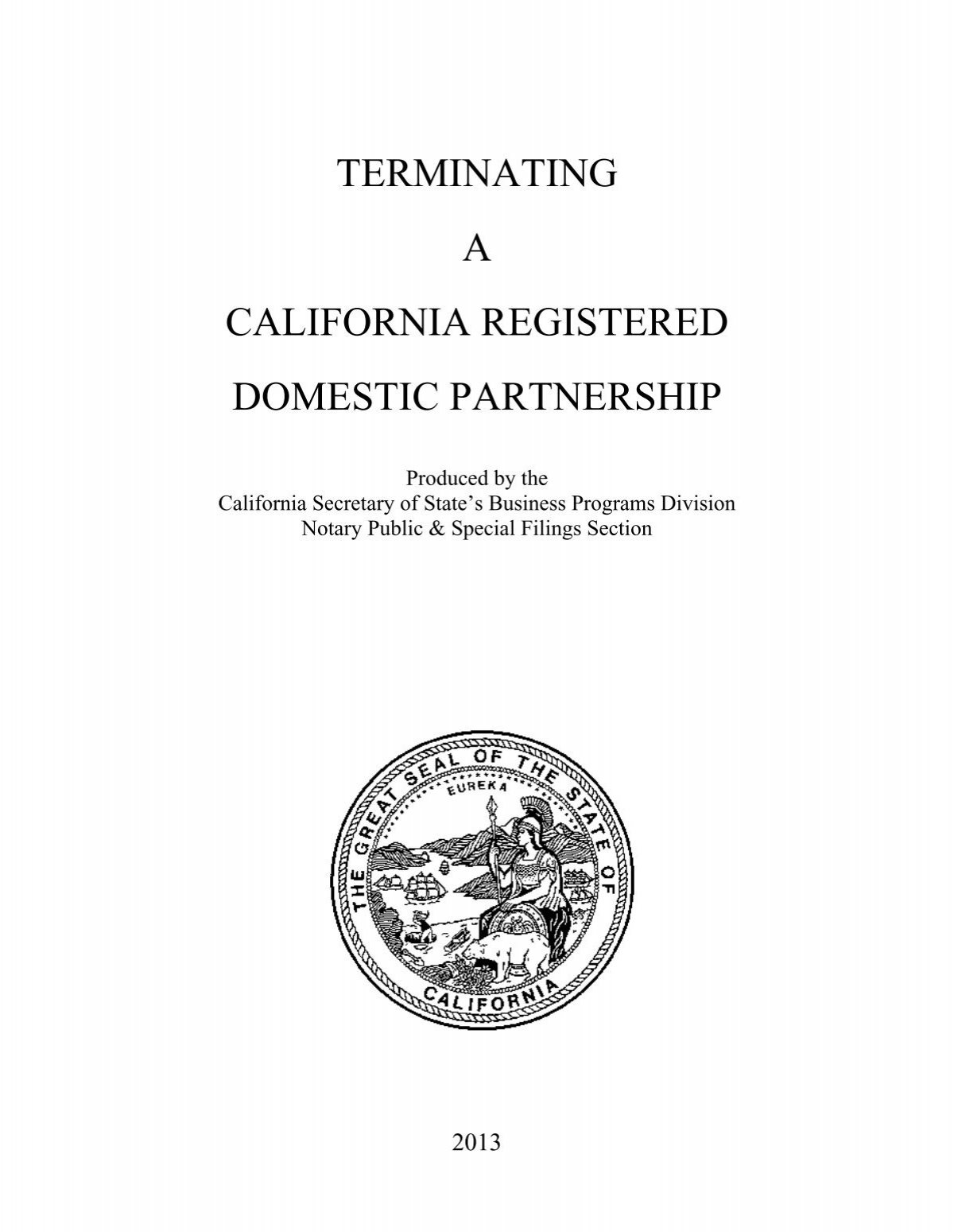
Registering a domestic partnership in California is a straightforward process, symbolizing a deliberate step towards a legally recognized, shared future. To initiate this, couples must meet the eligibility criteria mentioned earlier and then file a Declaration of Domestic Partnership (Form DP-1) with the California Secretary of State. Both partners must sign the form, and a notarized signature might be required, depending on how it’s submitted. Once registered, the partnership becomes legally effective, and the couple gains the associated rights and responsibilities. This official recognition solidifies their commitment, paving the way for joint decisions and shared experiences that define their everyday life and long-term aspirations.
Dissolution: Navigating Changes in a Shared Path
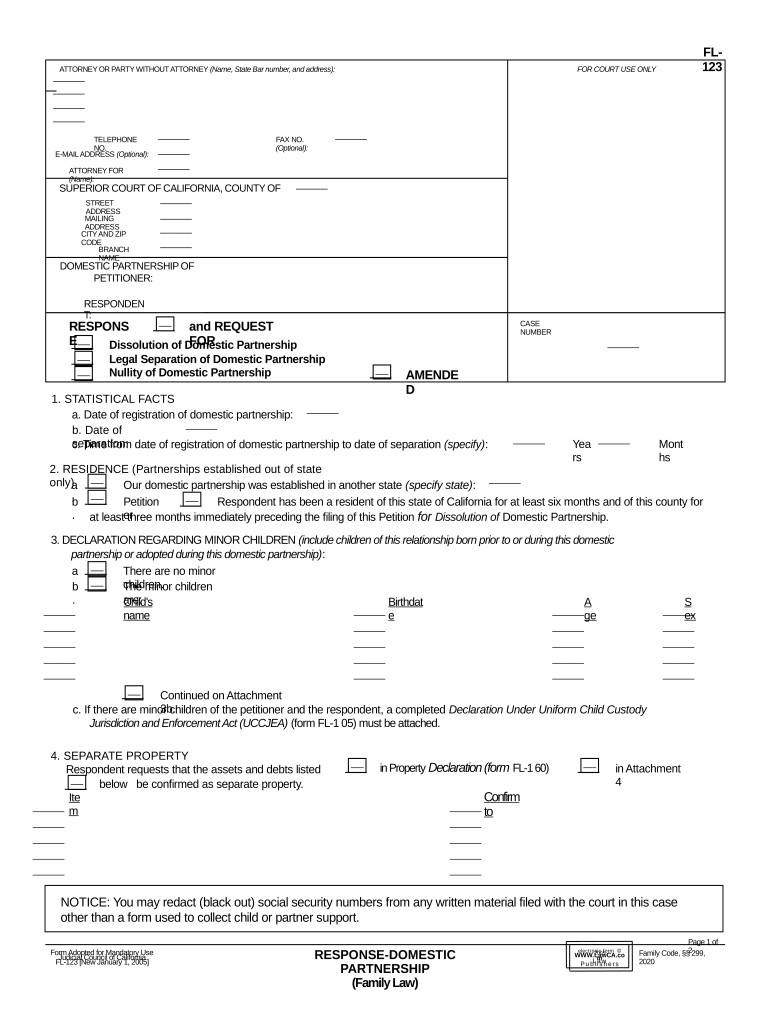
Just as entering a domestic partnership is a formal act, so is its dissolution. Ending a domestic partnership in California generally follows procedures similar to divorces for married couples. This involves filing a Petition for Dissolution of Domestic Partnership with the superior court. The process addresses division of community property and debts, spousal support, and child custody/support if applicable. The legal framework ensures an orderly and equitable separation, safeguarding both partners’ interests. Understanding the dissolution process is an important part of comprehending the full scope of a domestic partnership, as it affects future financial planning and personal lifestyle adjustments, including budgeting for individual travel or new living arrangements.
Why Choose a Domestic Partnership in the Golden State?
The decision to enter a domestic partnership in the Golden State is deeply personal, often driven by a blend of legal pragmatism and personal philosophy. For many, it offers the essential legal protections and societal recognition of a committed relationship without the traditional and sometimes restrictive connotations of marriage. This can be particularly appealing to couples who value autonomy, wish to avoid certain marital complexities, or simply prefer a modern alternative that aligns with their unique vision of a committed lifestyle.
Furthermore, a domestic partnership in California can be a strategic choice for couples aiming to protect specific benefits or assets. For instance, opposite-sex couples over 62 might opt for a domestic partnership to secure spousal benefits under state law while preserving federal benefits (like Social Security or pensions) that could be impacted by marriage. This nuanced approach allows couples to tailor their legal status to best suit their individual circumstances and financial goals. Ultimately, it provides a robust legal foundation for couples to build a shared life, encompassing everything from everyday financial management to planning future adventures like a dream luxury travel escape or a memorable family trips across the globe.
LifeOutOfTheBox is a participant in the Amazon Services LLC Associates Program, an affiliate advertising program designed to provide a means for sites to earn advertising fees by advertising and linking to Amazon.com. Amazon, the Amazon logo, AmazonSupply, and the AmazonSupply logo are trademarks of Amazon.com, Inc. or its affiliates. As an Amazon Associate we earn affiliate commissions from qualifying purchases.