
Understanding the cost of gasoline in California is an essential component of travel planning for anyone venturing through the Golden State. Known for its stunning diverse landscapes, from sun-drenched beaches to majestic mountains and bustling cities, California offers an unparalleled road trip experience. However, travelers quickly discover that fuel prices here are consistently among the highest in the United States. This reality necessitates careful budgeting and strategic planning to ensure that the journey remains enjoyable without unexpected financial strain. The price at the pump directly influences the feasibility and enjoyment of extensive exploration, making it a pivotal factor in mapping out itineraries, choosing transportation methods, and allocating travel funds. For both first-time visitors and seasoned California explorers, a clear grasp of these costs is the first step toward a smooth and memorable adventure.

Understanding California’s Unique Fuel Market
The consistently high price of gasoline in California is not a random occurrence but rather the result of a confluence of specific economic, environmental, and regulatory factors. Unlike many other states, California operates under a distinct set of conditions that contribute to its elevated fuel costs, creating a unique market environment that directly impacts travelers.
Factors Driving High Prices
Several key elements contribute to California’s premium gas prices. Foremost among these are the stringent environmental regulations designed to combat air pollution. California mandates a special blend of gasoline, known as “CaRFG” (California Reformulated Gasoline), which is cleaner burning and reduces smog-forming emissions. This specialized fuel is more expensive to produce and has fewer refineries capable of manufacturing it, leading to a tighter supply chain. When refinery issues or maintenance occur, the limited supply can quickly drive up prices.
Furthermore, California imposes some of the highest state excise taxes and fees on gasoline in the nation. These taxes fund infrastructure projects, environmental programs, and public services. While beneficial for the state, they add a significant per-gallon cost that travelers must bear. Additional regulatory costs, such as the state’s cap-and-trade program, which aims to reduce greenhouse gas emissions, also get factored into the price at the pump. Finally, the state’s geographic isolation from major oil pipelines means that a substantial portion of its crude oil and refined gasoline must be transported, adding further logistical costs. This intricate web of factors ensures that gasoline in California remains a premium commodity.
Regional Variations Across the Golden State
While California as a whole experiences high gas prices, there are noticeable variations depending on the region and even specific cities. Major metropolitan areas and popular tourist destinations typically see the highest prices due to higher demand, greater competition for limited space for gas stations, and increased operational costs. Cities like Los Angeles, San Francisco, and San Diego, for instance, often feature prices significantly above the state average.
Conversely, more rural areas or those in the Central Valley might offer slightly lower prices, though still elevated compared to national averages. Areas along major interstates, particularly those leading to popular attractions or crossing into Nevada or Arizona, can also see price spikes. Travelers should be particularly aware of prices in remote areas or national parks, such as Yosemite National Park or Death Valley National Park, where gas stations are few and far between, leading to significantly inflated costs due to lack of competition and increased transportation expenses. Planning fuel stops strategically can save a considerable amount over the course of a long trip through varied California landscapes.
Impact on California Travel Budgets
For any traveler embarking on a California adventure, the price of gasoline will inevitably be a significant line item in their budget. Ignoring this cost can lead to unpleasant surprises and force cuts in other areas of the trip, such as dining or attractions. Integrating fuel costs into the initial planning stages is crucial for a financially sound and stress-free journey.
Road Trip Planning and Fuel Costs
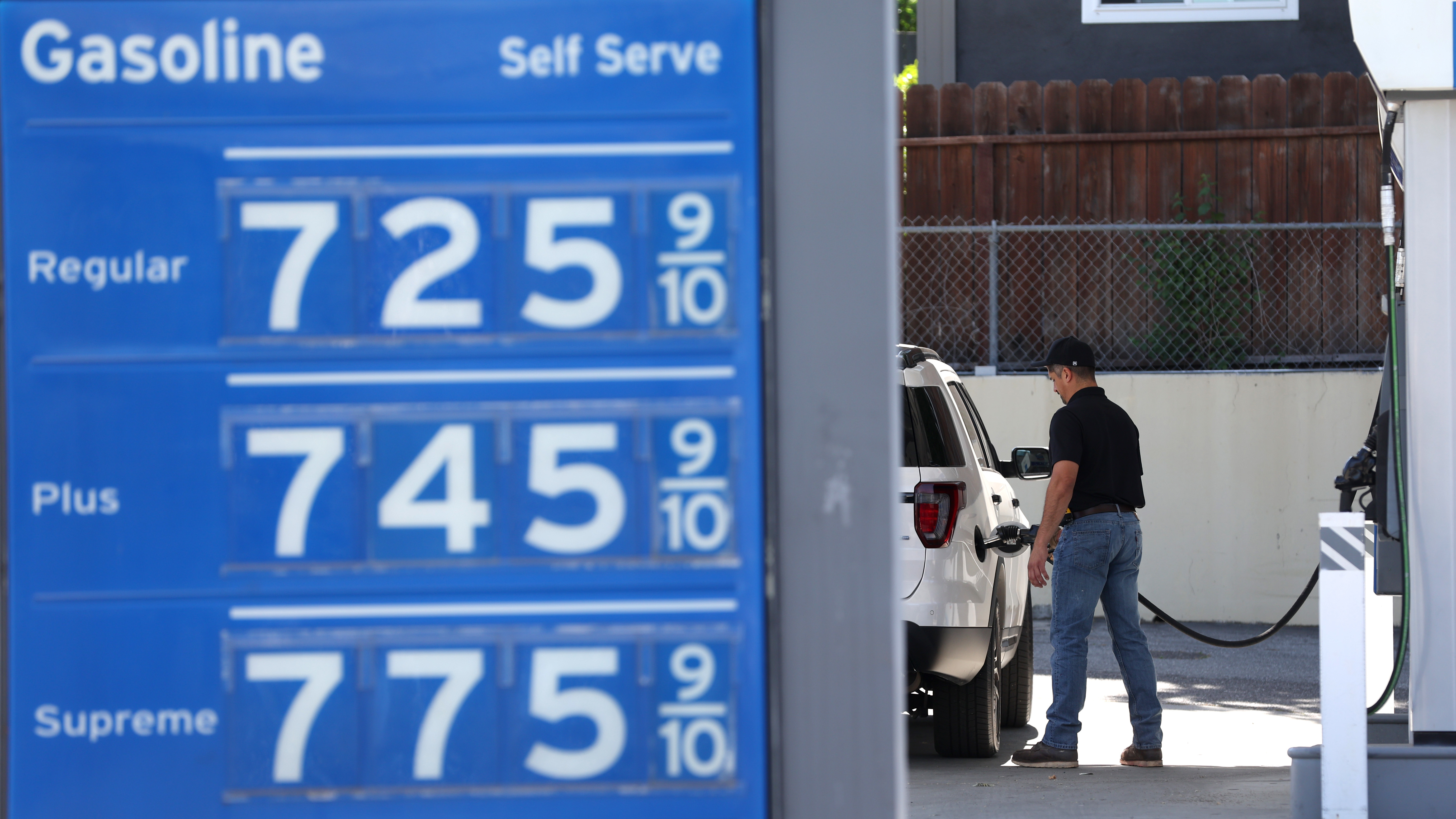
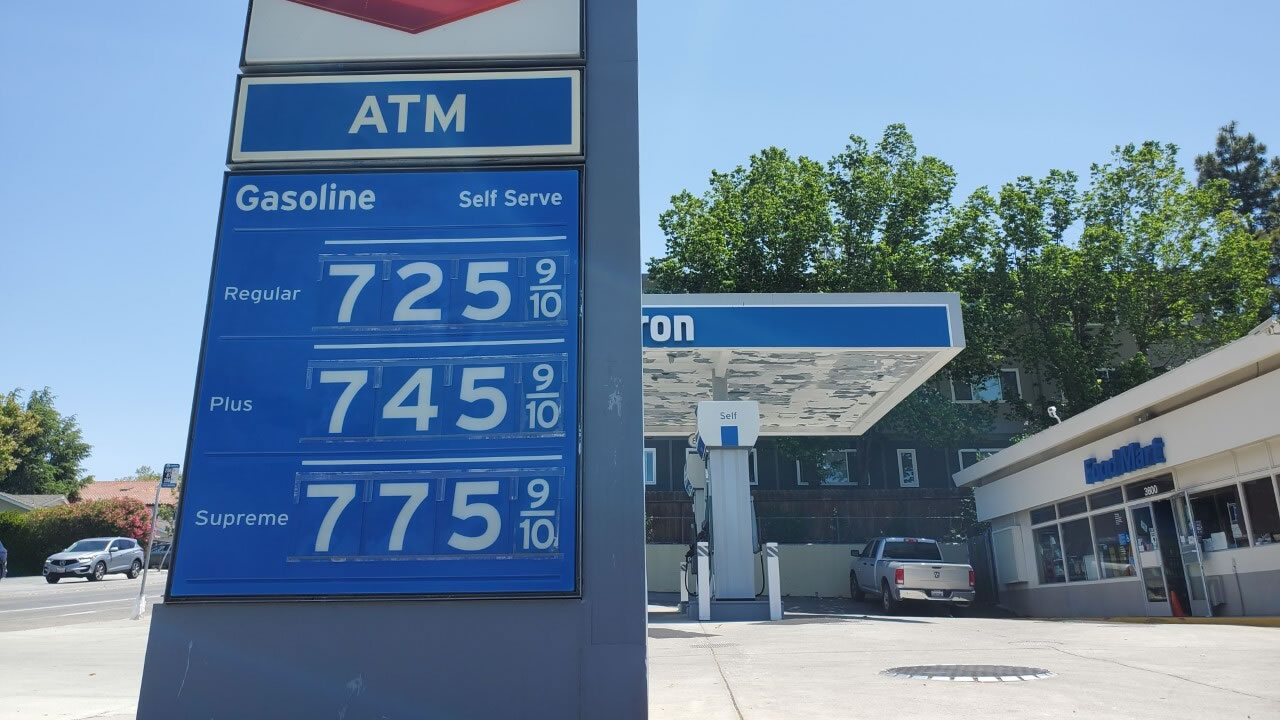
California is arguably the quintessential road trip state, with iconic routes like the Pacific Coast Highway and countless scenic byways winding through diverse terrains. However, the allure of these open roads comes with a substantial fuel price tag. When planning a road trip, estimate the total mileage and your vehicle’s average fuel efficiency (MPG). For instance, a drive from San Francisco to San Diego covers over 500 miles one way. If your car gets 25 MPG, that’s 20 gallons per leg of the trip. At current California prices, this could easily amount to $100 or more just for that segment, not including detours or return journeys.
It’s wise to create a daily or weekly fuel budget and factor in a buffer for unexpected detours or higher-than-anticipated prices. Consider the type of vehicle you’ll be driving; larger SUVs or older cars will consume more fuel, increasing overall expenses. Opting for a more fuel-efficient rental car or even a hybrid can make a noticeable difference in your total expenditure, allowing more room in the budget for unique California experiences.
Renting a Car: What to Expect
For many travelers flying into California, renting a car is a necessity to explore beyond major city centers. While rental car prices themselves vary greatly by season and demand, the fuel costs for that rental vehicle will adhere to the same high California rates. Rental car agencies typically offer options to pre-pay for a tank of gas, return it full, or return it empty and pay their premium refueling fee. Generally, the most cost-effective approach is to return the car with a full tank, refueling at a local gas station just before returning the vehicle. This avoids the inflated prices charged by rental companies for their refueling service.
Additionally, when selecting a rental car, consider its fuel type. Some luxury vehicles may require premium gasoline, which is even more expensive in California than regular unleaded. Always check the fuel requirements before driving off the lot to prevent unexpected costs. Factor in not just the daily rental fee, but also the estimated fuel consumption for your planned itinerary to get a realistic picture of your total transportation costs.
Strategies for Savvy Travelers
Navigating the high cost of gasoline in California requires a strategic approach. Travelers who employ smart planning and make informed choices can significantly mitigate their fuel expenses, freeing up their budget for other aspects of their trip.
Apps and Websites for Finding Cheaper Fuel
One of the most effective ways to save money on gasoline is to leverage technology. Several smartphone applications and websites are designed specifically to help drivers locate the cheapest fuel prices in their immediate vicinity or along their planned route. Apps like GasBuddy, Waze, and Google Maps often provide real-time gas price updates, crowdsourced by other users. Before embarking on a long leg of your journey, or even for daily commutes within a city, check these platforms. You might find significant price differences even within a few blocks, especially in competitive urban environments like Los Angeles or Sacramento. Planning stops at stations offering lower prices, particularly when entering or exiting a high-priced region, can lead to substantial savings over the course of your trip.
Fuel-Efficient Driving Tips
Beyond where you buy your gas, how you drive profoundly impacts your fuel consumption. Adopting fuel-efficient driving habits can extend the life of a tank and reduce overall costs. Accelerate gently and smoothly, avoiding sudden bursts of speed. Maintain a steady speed on highways, utilizing cruise control where appropriate, as rapid fluctuations in speed consume more fuel. Avoid excessive idling, especially in congested city traffic; if you anticipate being stopped for more than a minute, it’s often more fuel-efficient to turn off your engine.
Keeping your tires properly inflated to the manufacturer’s recommended pressure is another simple yet effective tip; underinflated tires increase rolling resistance and decrease fuel efficiency. Finally, lighten your load by removing unnecessary items from your vehicle, as extra weight means your engine works harder. These small adjustments can collectively make a noticeable difference in your fuel budget.
Alternative Transportation Options
While a car offers unparalleled freedom for exploring California, it’s not always the only or best option. For travelers focusing on major cities, utilizing public transportation can be a cost-effective and environmentally friendly alternative. San Francisco boasts an extensive public transit system including BART, Muni, and its iconic cable cars. Los Angeles has an expanding Metro rail and bus network. Even San Diego offers trolleys and buses that connect key attractions.
For shorter distances within cities or for specific excursions, ride-sharing services like Uber and Lyft can be convenient, potentially bypassing parking fees and the hassle of navigating unfamiliar streets. Furthermore, many California destinations are increasingly bicycle-friendly, offering rental options for exploring at a leisurely pace. Consider incorporating a mix of transportation methods into your itinerary to optimize both cost and experience.
Exploring California Beyond the Pump
Despite the higher cost of gasoline, the sheer beauty and diversity of California make it an undeniable bucket-list destination. Understanding and managing fuel costs simply allows travelers to fully immerse themselves in the experience, rather than being preoccupied by the price at every gas station.
Scenic Drives Worth the Cost
Certain California drives are so spectacular that the fuel cost becomes a secondary consideration to the unforgettable journey itself. The Pacific Coast Highway (Highway 1) from Monterey through Big Sur offers breathtaking ocean vistas, winding roads, and opportunities for whale watching. Driving through Napa Valley or Sonoma Valley provides access to world-class wineries and picturesque vineyards. The drive to Lake Tahoe unveils stunning alpine scenery, while routes through Joshua Tree National Park or Death Valley National Park showcase unique desert landscapes.
These iconic routes are not just about getting from point A to point B; they are destinations in themselves. Allocate a portion of your travel budget specifically for these experiences, understanding that the memories created will far outweigh the price per gallon. Embrace the journey, and the cost of fuel becomes a necessary investment in unparalleled natural beauty and cultural richness.
Public Transit in Major Cities
For urban exploration, particularly in dense metropolitan areas, public transit can be a traveler’s best friend. In San Francisco, the extensive Muni system (buses, streetcars, cable cars) and BART (Bay Area Rapid Transit) connect virtually all major attractions, from the Golden Gate Bridge to Fisherman’s Wharf. A multi-day Muni Passport or Clipper Card simplifies travel.
Los Angeles, despite its car-centric reputation, has made significant strides in expanding its Metro system. Visitors can take the Metro Rail to Hollywood, Universal Studios Hollywood, downtown, and even connect to coastal areas. Using public transit in these cities not only saves on fuel and parking costs but also reduces stress from traffic and navigating unfamiliar streets, allowing for a more relaxed and authentic local experience.
Eco-Friendly Exploration
For environmentally conscious travelers, or those simply looking to minimize their carbon footprint while exploring California, several eco-friendly options exist. Consider renting an electric vehicle (EV) or a hybrid car. While EVs still require charging, California has a robust and ever-expanding network of charging stations, especially in urban areas and along major corridors. The cost of electricity is often significantly lower than gasoline, offering substantial savings.
Additionally, many state parks, coastal towns, and island destinations like Catalina Island are best explored on foot or by bicycle. Embracing these slower, more intimate modes of travel allows visitors to connect more deeply with California’s natural beauty while minimizing their reliance on fossil fuels. From scenic hikes in national parks to cycling along beachfront paths in San Diego or Santa Monica, there are countless ways to experience California’s wonders without constantly thinking about the next gas station.
LifeOutOfTheBox is a participant in the Amazon Services LLC Associates Program, an affiliate advertising program designed to provide a means for sites to earn advertising fees by advertising and linking to Amazon.com. Amazon, the Amazon logo, AmazonSupply, and the AmazonSupply logo are trademarks of Amazon.com, Inc. or its affiliates. As an Amazon Associate we earn affiliate commissions from qualifying purchases.