
San Francisco, a jewel on the northern coast of California, is renowned globally for its iconic landmarks, vibrant culture, and innovative spirit. Yet, beyond the allure of the Golden Gate Bridge and the bustling energy of Fisherman’s Wharf, there’s a topic that consistently sparks curiosity and, at times, mild confusion among visitors and even some residents: its temperature. Unlike many other major United States cities, San Francisco defies conventional seasonal expectations, offering a climate that is as unique and captivating as the city itself. Forget sweltering summers or harsh, snowy winters; San Francisco’s weather is characterized by remarkable consistency, cool temperatures, and the omnipresent, often charming, fog.
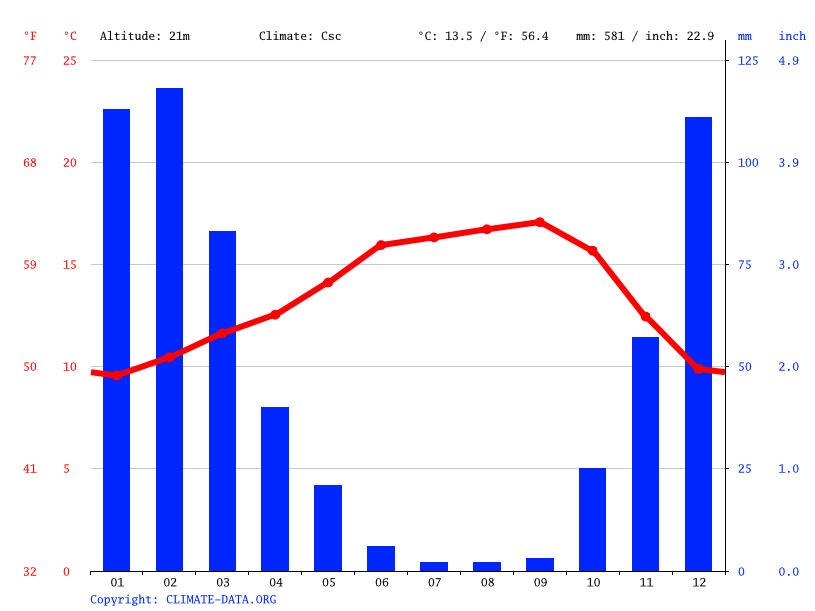
Understanding the temperature of San Francisco isn’t merely about checking a weather app; it’s about appreciating a fascinating meteorological phenomenon driven by its distinct geography. This guide delves deep into the nuances of San Francisco’s climate, providing a comprehensive overview for travelers planning their next adventure, prospective residents, or anyone simply curious about this truly exceptional city. From the ever-present marine layer to the surprising warmth of its Indian summers, we’ll explore how its temperature influences everything from travel planning and outdoor activities to the local lifestyle and even accommodation choices, ensuring you’re perfectly prepared to embrace the city’s cool charm.
Understanding San Francisco’s Microclimates: A Tale of Two Temperatures
One of the most intriguing aspects of San Francisco’s climate is its famous “microclimates.” Within just a few miles, temperatures can vary significantly, creating a mosaic of mini-climates across the city. This phenomenon is primarily driven by the city’s topography—a peninsula surrounded by the Pacific Ocean on one side and the San Francisco Bay on the other, peppered with numerous hills. The interaction between cold ocean currents, the warm inland air, and the city’s hilly terrain creates distinct temperature zones that can surprise even the most seasoned travelers.
The Coastal Influence: Fog and Cool Breezes
The defining characteristic of San Francisco’s weather, especially during summer, is the marine layer, which manifests as the city’s iconic fog. This phenomenon occurs when warm air from inland areas rises, drawing in cool, moist air from the Pacific Ocean. As this ocean air encounters the colder California Current and flows over the hills and through the Golden Gate strait, it condenses into the dense fog that blankets much of the western and northern parts of the city. Areas like the Outer Sunset, Richmond District, and even parts of Golden Gate Park often remain cool and foggy for much of the day, even when the sun is shining brightly just a few miles away.
This coastal influence means that neighborhoods closer to the ocean or the Golden Gate, such as the Marina District or Presidio National Park, consistently experience cooler temperatures and brisk breezes. Summer days in these areas might hover around the mid-50s to low-60s Fahrenheit (13-17°C), necessitating layers even in July or August. The fog not only keeps temperatures down but also adds to the city’s mystique, creating dramatic vistas as it rolls over the Golden Gate Bridge or shrouds the Transamerica Pyramid.
Inland Warmth: Escaping the Chill
In stark contrast, areas further inland, protected by hills from the direct assault of the ocean fog and breezes, often enjoy significantly warmer temperatures. Neighborhoods like the Mission District, Potrero Hill, and parts of SOMA (South of Market) can bask in sunshine and warmer air, sometimes reaching into the high 70s or even low 80s Fahrenheit (25-28°C) on a clear day, especially in the late summer and early autumn.
This temperature gradient is a fascinating aspect of exploring San Francisco. You could start your day bundled up by the Pacific Ocean, then shed layers as you travel eastward towards the bay. This phenomenon also extends to the wider Bay Area; while San Francisco remains cool, cities just across the bay like Oakland or Berkeley, or further inland in Wine Country (Napa Valley or Sonoma Valley), can experience much hotter conditions. Understanding these microclimates is crucial for planning your daily activities and packing appropriately.
Seasonal Overview: What to Expect Year-Round
While San Francisco’s reputation for coolness holds true year-round, there are discernible seasonal patterns, albeit subtle ones, that dictate the city’s temperature ebb and flow. Dispelling common misconceptions about California weather is essential when discussing San Francisco.
Spring (March-May): Mild and Pleasant
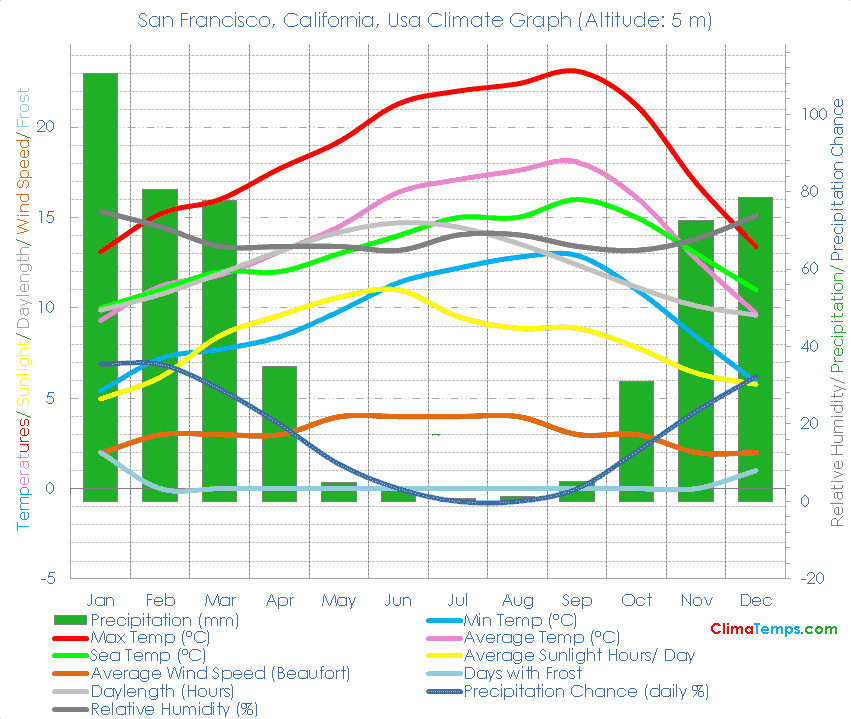
Spring in San Francisco is generally characterized by mild temperatures and increasing sunshine, offering a pleasant respite before the deep summer fog sets in. Average daily temperatures typically range from the low 50s to mid-60s Fahrenheit (10-18°C). Rainfall decreases significantly compared to winter, making it an excellent time for outdoor exploration. The city’s many parks, like Golden Gate Park, burst into bloom, and walking tours of neighborhoods such as Nob Hill or Russian Hill are particularly enjoyable. While still cool, especially in the mornings and evenings, spring days can be beautifully clear, offering stunning views of the Golden Gate Bridge and the Bay.
Summer (June-August): “Fogust” and Surprises
Perhaps the most counterintuitive season in San Francisco is summer. When much of the United States swelters, San Francisco often experiences its coolest and fuzziest period, a phenomenon affectionately dubbed “Fogust” (especially in August). Average temperatures typically range from the mid-50s to low-70s Fahrenheit (13-22°C), but it’s not uncommon for the mercury to stay firmly in the 60s (15-18°C) for days on end, particularly along the coast. The persistent fog and brisk winds mean that summer visitors often find themselves reaching for sweaters and jackets, even in the middle of the day. This is the time when the city’s unique climate really shines – or rather, doesn’t – making it a refreshing escape from the heat elsewhere. This is also when the Alcatraz Island tours can be quite chilly on the ferry ride over.
Autumn (September-November): The Golden Season
Paradoxically, autumn is often considered San Francisco’s warmest and clearest season, affectionately known as “Indian Summer.” As the inland heat persists and the ocean begins to cool, the temperature differential that drives the summer fog often weakens, leading to fewer foggy days and more abundant sunshine. September and October can see average temperatures ranging from the mid-60s to mid-70s Fahrenheit (18-24°C), with many days feeling genuinely warm and pleasant. These months are often ideal for visitors, offering perfect weather for exploring outdoor attractions, dining al fresco, and enjoying panoramic views from spots like Twin Peaks or Coit Tower. Even into November, temperatures remain mild, though increasing rainfall signals the approach of winter.
Winter (December-February): Mild and Rainy
San Francisco’s winters are mild by most standards, devoid of snow and severe cold. This is the city’s rainy season, with the majority of its annual precipitation falling between December and February. Average daily temperatures typically range from the high 40s to low 60s Fahrenheit (8-16°C). While rain can be persistent, it rarely lasts all day, and many winter days are partly cloudy or even sunny, interspersed with showers. The air is crisp and clean, and the city feels quieter, offering a more intimate experience for travelers. Indoor attractions like museums, the California Academy of Sciences, or the Exploratorium become popular havens during rainy spells.
Planning Your Trip: Temperature’s Impact on Travel & Activities
The distinctive temperature profile of San Francisco is arguably one of its most critical factors influencing travel planning. For an enjoyable experience, understanding how to navigate its variable climate is key, especially given the range of activities available from the Palace of Fine Arts to the bustling Pier 39.
Packing Smart: Layering is Key
If there’s one golden rule for dressing in San Francisco, it’s “layer, layer, layer.” Due to the rapid temperature shifts between neighborhoods and throughout the day, being able to add or remove clothing is essential. Think in terms of three layers: a base layer (t-shirt or light top), a mid-layer (sweater, fleece, or cardigan), and an outer layer (a windbreaker or light waterproof jacket). Even on a seemingly sunny morning, the fog can roll in unexpectedly, bringing a chill. Conversely, walking up one of San Francisco’s famous hills or stepping into a sun-drenched, sheltered street can quickly make you warm. Don’t underestimate the need for a warm jacket, even in summer, especially if you plan to visit coastal areas or take a boat trip on the Bay. A scarf and comfortable walking shoes are also highly recommended.
Outdoor Activities & Attractions
San Francisco’s temperature significantly impacts the enjoyment of its myriad outdoor attractions.
- Golden Gate Bridge: Walking or biking across the bridge is an unforgettable experience, but it can be incredibly windy and cold, even on a sunny day. Always wear layers and be prepared for strong gusts.
- Alcatraz Island: A visit to “The Rock” involves a ferry ride across the Bay, where the wind chill can be substantial. Inside the prison, it can also feel damp and cool.
- Golden Gate Park: This vast urban oasis offers everything from museums to gardens. While the eastern parts might be sunnier, the western sections can be quite cool and shrouded in fog, perfect for a contemplative stroll amidst nature.
- Cable Car Rides: Hopping on the iconic Cable Cars is a must-do, but sitting in the open-air sections means you’ll feel the full effect of the city’s breezes.
- Beaches: While San Francisco has beautiful beaches like Ocean Beach, they are rarely warm enough for sunbathing or swimming, even in summer. They are better suited for brisk walks and enjoying the powerful Pacific waves.
For travelers interested in hiking, the trails in the Presidio National Park or Marin Headlands (just across the Golden Gate Bridge in Marin County) offer spectacular views that are often best enjoyed on a clear, cool autumn day. The cool temperatures also make it comfortable for walking up the famous crooked Lombard Street or exploring the vibrant streets of Chinatown.
Dining and Nightlife
The cool temperatures can influence dining choices. While San Francisco boasts an incredible culinary scene, outdoor dining is often limited to sheltered patios or those with heat lamps, even in summer. Many restaurants embrace the cozy ambiance, offering warm interiors, fireplaces, and comforting cuisine perfect for cooler evenings. In popular tourist areas like Pier 39 or Ghirardelli Square, you’ll find plenty of indoor options. The nightlife also leans towards indoor venues, from classic dives to sophisticated cocktail bars, providing warmth and camaraderie as the fog rolls in.
Accommodations and Lifestyle Considerations
The unique climate of San Francisco extends its influence to accommodation choices and the overall lifestyle experience, whether you’re a luxury traveler or on a budget.
Choosing the Right Accommodation
When selecting a hotel, suite, or apartment, consider its location relative to the microclimates. If you prefer warmer, sunnier days, look for accommodations in inland neighborhoods like the Mission District or SOMA. If you enjoy the cool, foggy ambiance and proximity to major landmarks, then hotels near the Waterfront or in North Beach might be ideal. Air conditioning is less common in San Francisco compared to cities with hot summers, as it’s rarely needed. However, heating is standard, and many luxury hotels or boutique accommodations might offer fireplaces or extra amenities to enhance the cozy experience. For long-term stays, considering insulation and heating efficiency can be practical. Checking reviews regarding room comfort and temperature regulation is always a good idea, as some older buildings can be drafty.
Luxury vs. Budget Travel in Variable Weather
- Luxury Travel: Those seeking luxury experiences might appreciate hotels like the Fairmont San Francisco or the Ritz-Carlton, San Francisco which offer opulent interiors, often with fireplaces in common areas or even suites, providing a warm haven from the external chill. High-end restaurants often have more sophisticated indoor dining spaces or well-heated outdoor patios. Luxury travelers might also opt for private car services to comfortably navigate between different climate zones without exposure to the elements.
- Budget Travel: Budget travelers can still embrace the city’s climate by packing smart and utilizing public transportation, like the iconic Cable Cars or the efficient MUNI system, which helps avoid walking in unexpected rain or cold. Hostels and budget hotels often provide communal areas that are warm and inviting. Many of San Francisco’s best experiences, like walking across the Golden Gate Bridge or exploring Golden Gate Park, are free and equally enjoyable in cooler weather, provided you’re dressed appropriately.

Long-Term Stays and Local Life
For those considering a long-term stay or even relocating to San Francisco, understanding and adapting to its temperature is part of embracing the local lifestyle. Locals are accustomed to layering and rarely leave home without a jacket. The consistent, cool temperatures contribute to a vibrant outdoor culture focused on hiking, biking, and running, often without the discomfort of extreme heat or cold. The mild winters also mean that outdoor activities remain viable year-round. This temperate climate is a key factor in San Francisco’s allure, contributing to its unique charm and the relaxed, yet resilient, attitude of its residents.
In conclusion, the temperature of San Francisco is far more than a simple numerical value; it is a defining characteristic that shapes its identity, influences its rhythm, and colors every visitor’s experience. From the refreshing coolness of its summer fog to the surprising warmth of its autumn “Indian Summer,” San Francisco offers a climate unlike any other. By understanding its microclimates, preparing with smart layering, and embracing its unique weather patterns, you can unlock the full charm of this magnificent city, making your travel and accommodation choices perfectly suited to its captivating, cool embrace.
LifeOutOfTheBox is a participant in the Amazon Services LLC Associates Program, an affiliate advertising program designed to provide a means for sites to earn advertising fees by advertising and linking to Amazon.com. Amazon, the Amazon logo, AmazonSupply, and the AmazonSupply logo are trademarks of Amazon.com, Inc. or its affiliates. As an Amazon Associate we earn affiliate commissions from qualifying purchases.