
Understanding the unemployment landscape of a region is crucial for anyone considering relocation, investment, or even just seeking to grasp the economic pulse of a place. For California, a state renowned for its innovation, diverse economy, and vibrant lifestyle, its unemployment rate is a significant indicator of its economic health and opportunities. This article delves into the intricacies of unemployment in the Golden State, exploring its trends, influencing factors, and implications for residents and visitors alike.
Understanding California’s Unemployment Rate
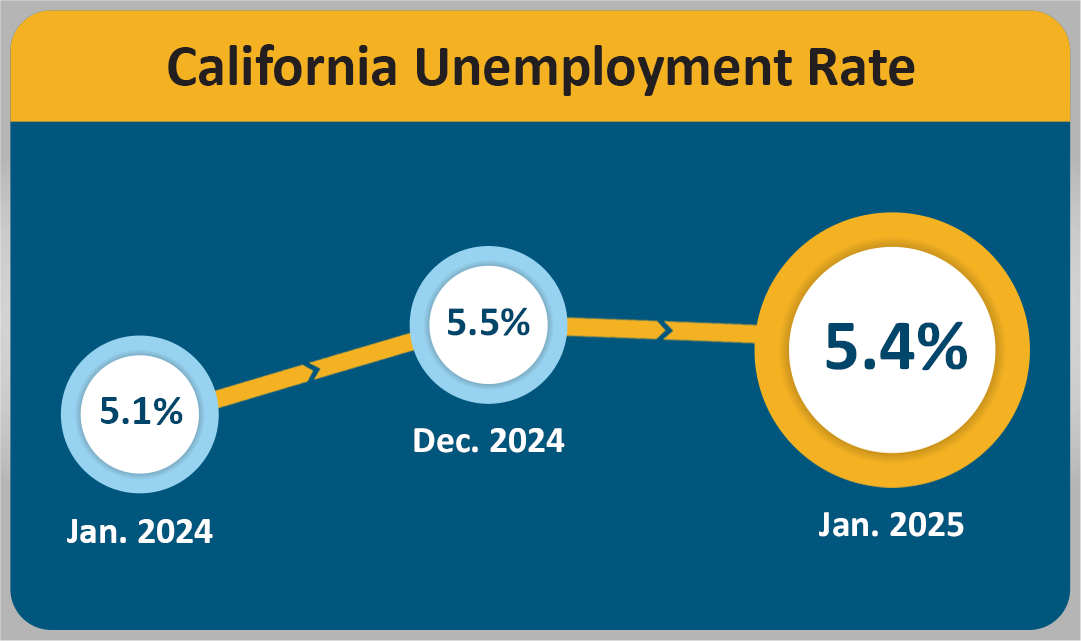
The unemployment rate is a key economic statistic that represents the percentage of the labor force that is actively seeking employment but is currently without a job. In California, this metric fluctuates based on a complex interplay of local, national, and global economic forces. The California Employment Development Department (EDD) is the primary agency responsible for tracking and reporting these figures, providing valuable data for policymakers, businesses, and individuals.
Historical Trends and Fluctuations
Historically, California’s unemployment rate has mirrored national trends, experiencing periods of significant growth and contraction. The state’s economy, heavily reliant on sectors like technology, entertainment, agriculture, and tourism, is susceptible to shifts in consumer spending, technological advancements, and global market dynamics. For instance, periods of economic recession often see a sharp increase in unemployment, as businesses scale back operations or lay off staff. Conversely, periods of economic expansion typically lead to a decrease in the unemployment rate as new industries emerge and existing ones thrive, creating more job opportunities.
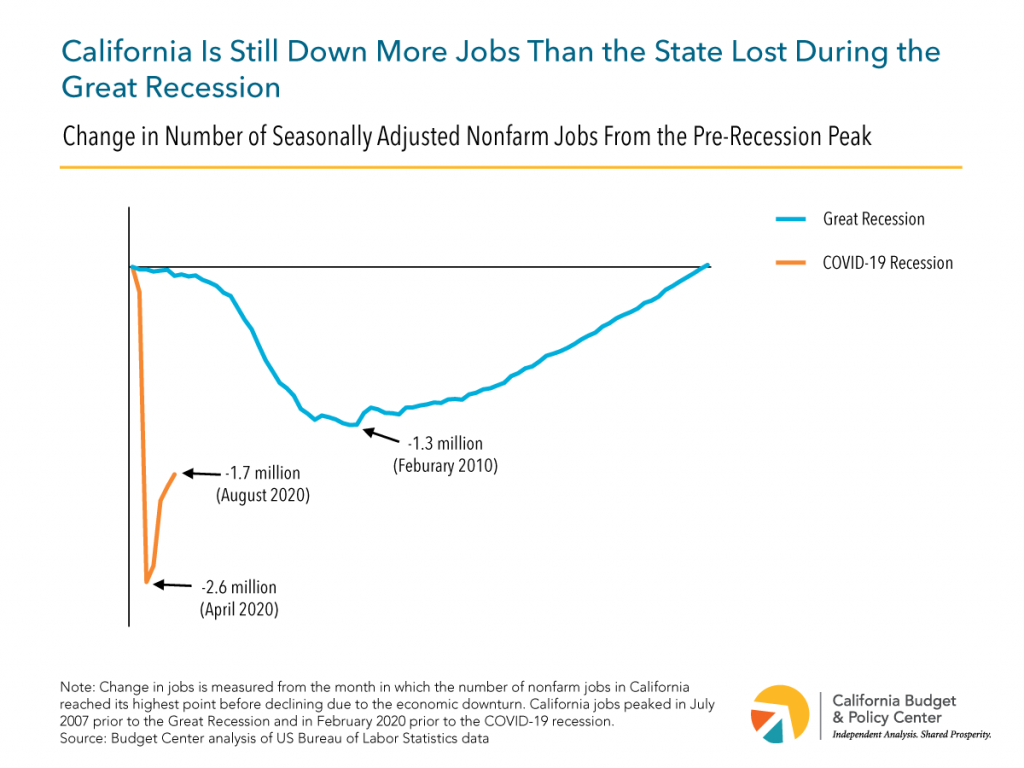
The dot-com bubble burst in the early 2000s, for example, had a noticeable impact on the tech hubs in Silicon Valley, leading to job losses. More recently, the COVID-19 pandemic caused an unprecedented surge in unemployment across the state, particularly affecting the hospitality and retail sectors, which are significant components of California’s tourism industry. As the state has navigated its recovery, the unemployment rate has gradually declined, reflecting the resilience and adaptability of its economy.
Key Metrics and Definitions
When discussing unemployment, it’s important to understand the nuances of the terminology. The “labor force” includes all individuals who are either employed or actively seeking employment. Those who are not actively looking for work, such as retirees, students, or those who have given up looking, are not counted in the labor force and therefore not included in the unemployment rate calculation. The “unemployment rate” is then calculated as the number of unemployed individuals divided by the total labor force, multiplied by 100.
Other related metrics that provide a more comprehensive picture include the “labor force participation rate” (the percentage of the working-age population that is in the labor force) and the “employment-to-population ratio” (the percentage of the working-age population that is employed). Examining these alongside the unemployment rate offers a richer understanding of the overall labor market health.
Factors Influencing California’s Unemployment
Numerous factors contribute to the ebb and flow of unemployment rates in California. These range from broad economic forces to specific industry dynamics and governmental policies.
Sector-Specific Dynamics
California’s diverse economy means that unemployment can be heavily influenced by the performance of its key sectors.
- Technology: The thriving technology sector, particularly in areas like San Francisco and San Jose, is a major job creator. However, it can also be volatile, with rapid growth followed by periods of consolidation or shifts in demand for certain skill sets. Layoffs in major tech companies can significantly impact local unemployment figures.
- Tourism and Hospitality: Sectors like hotels, resorts, restaurants, and attractions are vital to California’s economy, especially in popular destinations such as Los Angeles, San Diego, and the Napa Valley. These industries are highly sensitive to economic downturns, seasonal fluctuations, and unforeseen events like pandemics, which can lead to significant spikes in unemployment.
- Agriculture: As a major agricultural producer, California experiences seasonal employment patterns in its farming regions. While this is often predictable, broader economic issues or natural disasters can exacerbate unemployment in these areas.
- Entertainment: The robust film and television industry, centered in Los Angeles, creates a substantial number of jobs, but it can also be subject to project-based employment and industry-wide strikes, leading to temporary unemployment for many workers.
Economic Cycles and Recessions
Like all economies, California is subject to business cycles. During economic expansions, job growth outpaces labor force growth, leading to lower unemployment. Conversely, during recessions, demand for goods and services declines, prompting businesses to reduce output and employment, thus increasing unemployment. The state’s large and complex economy means that even regional downturns can have a widespread impact.
Technological Advancements and Automation
The ongoing march of technological advancement, including automation and artificial intelligence, presents both opportunities and challenges for the California labor market. While these innovations create new jobs in fields like data science and software development, they can also displace workers in industries where tasks can be automated. The need for continuous reskilling and upskilling becomes paramount for individuals to remain competitive in this evolving landscape.
Government Policies and Regulations
State and federal policies play a significant role in shaping the employment landscape. Minimum wage laws, labor regulations, tax policies, and investments in education and training programs can all influence job creation, business investment, and the overall availability of employment. For example, initiatives aimed at promoting renewable energy or supporting small businesses can foster job growth in specific sectors.
Demographics and Labor Force Composition
California’s diverse population and changing demographics also influence its labor market. The influx of new residents, the aging of the workforce, and the varying skill sets among different demographic groups all contribute to the dynamics of supply and demand for labor. Understanding these demographic shifts is key to anticipating future labor needs and potential employment challenges.
Implications of Unemployment in California
The unemployment rate in California has tangible implications for individuals, communities, and the state as a whole.
Economic Impact
High unemployment rates can lead to reduced consumer spending, lower tax revenues for the state, and increased demand for social services, placing a strain on public resources. Conversely, low unemployment rates generally signify a robust economy with strong consumer confidence and higher tax revenues, supporting public services and infrastructure development.
Social and Personal Impact
For individuals, unemployment can lead to financial hardship, stress, and a decline in overall well-being. The loss of income can impact housing security, access to healthcare, and the ability to meet basic needs. Furthermore, prolonged unemployment can lead to a loss of skills, reduced self-esteem, and difficulty re-entering the workforce. This is particularly true for those in sectors that experience significant disruption.
Impact on Tourism and Lifestyle
While California’s allure as a travel destination, with its iconic landmarks like the Golden Gate Bridge, diverse natural landscapes, and vibrant cities like San Francisco and Los Angeles, remains strong, the economic health of its residents directly impacts the local tourism industry. When unemployment is high, local spending on dining, entertainment, and travel within the state may decrease. This can affect the viability of hotels, resorts, and local businesses that cater to both tourists and residents. A strong job market supports a thriving lifestyle, making California more attractive for both permanent residents and visitors seeking authentic experiences.
Regional Disparities
It is important to note that unemployment rates can vary significantly across different regions within California. Rural areas may face different employment challenges than major metropolitan centers. For instance, areas heavily reliant on a single industry may experience higher unemployment if that industry faces a downturn. Conversely, regions with diversified economies or strong growth sectors might boast consistently lower unemployment figures. This highlights the need for targeted economic development strategies tailored to the specific needs of each region.
Navigating the California Job Market
For those seeking employment in California, understanding the current job market and leveraging available resources is key.
Key Industries for Job Growth
While the overall unemployment rate provides a broad overview, specific industries are often experiencing consistent job growth. Sectors such as healthcare, education, professional and business services, and certain segments of the technology industry continue to show promise. Furthermore, the ongoing demand for skilled trades and essential services provides stable employment opportunities.
Resources for Job Seekers
The California Employment Development Department (EDD) offers a wealth of resources for job seekers, including job listings, career counseling, training programs, and workshops on resume writing and interview skills. Online job boards and professional networking platforms also play a crucial role in connecting job seekers with potential employers. For those considering moving to California for work, researching the job market in specific cities like Sacramento, Oakland, or even more remote areas like those near Yosemite National Park can provide valuable insights.
The Role of Skills and Education
In an ever-evolving job market, continuous learning and skill development are essential. California offers numerous educational institutions, from community colleges to world-renowned universities like Stanford University and the University of California system, providing pathways to acquire in-demand skills. Targeted training programs, apprenticeships, and online courses can equip individuals with the knowledge and expertise needed to secure fulfilling employment.

Conclusion: A Dynamic Economic Landscape
The unemployment rate in California is a dynamic indicator of its economic health, influenced by a complex web of factors. From the high-tech innovation of Silicon Valley to the sun-drenched beaches of Southern California, the state’s diverse economy presents both opportunities and challenges. Understanding these trends is vital for anyone considering a move to California for its unique lifestyle, vibrant culture, and promising career paths. By staying informed about economic indicators, investing in skills, and utilizing available resources, individuals can navigate the California job market effectively and contribute to the continued growth and prosperity of this remarkable state.
LifeOutOfTheBox is a participant in the Amazon Services LLC Associates Program, an affiliate advertising program designed to provide a means for sites to earn advertising fees by advertising and linking to Amazon.com. Amazon, the Amazon logo, AmazonSupply, and the AmazonSupply logo are trademarks of Amazon.com, Inc. or its affiliates. As an Amazon Associate we earn affiliate commissions from qualifying purchases.