
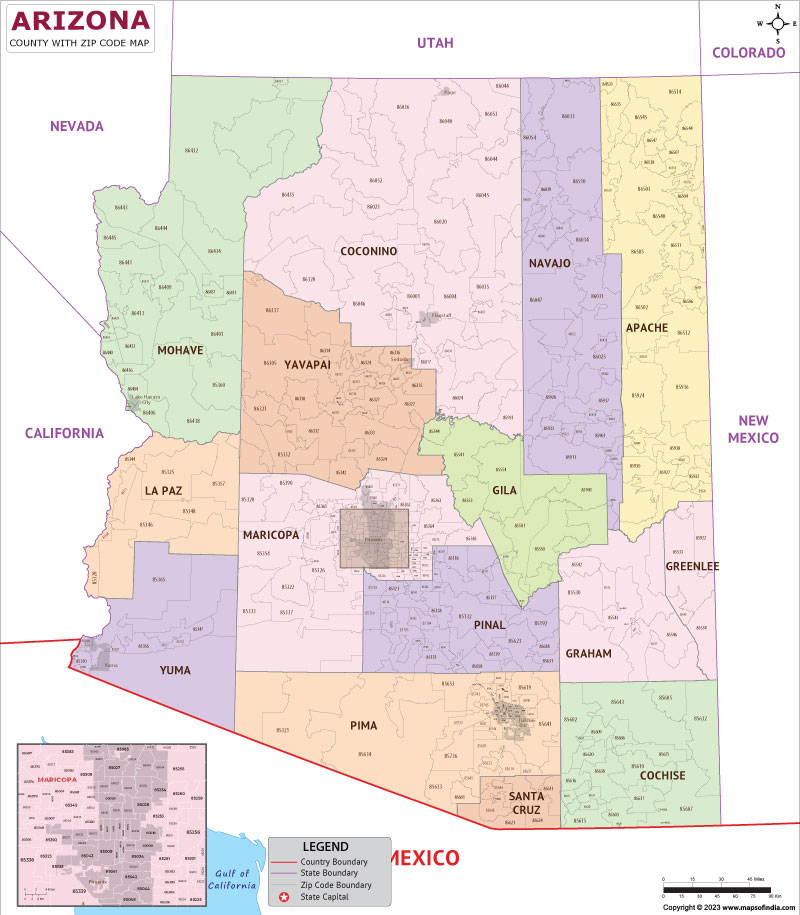
While the question “What is the zip code for Arizona?” might seem straightforward, it touches upon a broader understanding of how the United States Postal Service (USPS) organizes its mail delivery system. Arizona, as a vast and diverse state, doesn’t have a single zip code. Instead, it’s divided into numerous zip codes, each serving a specific geographical area. This intricate system ensures that mail reaches its intended destination efficiently, whether it’s a bustling city like Phoenix or a remote desert town. Understanding this structure is crucial for anyone planning a trip, sending mail, or even just learning about the geography and infrastructure of the state.

Navigating Arizona’s Postal Landscape
The United States Postal Service uses zip codes – Zones Improvement Plan – to sort and deliver mail. Introduced in 1963, zip codes are a five-digit numerical system that identifies specific delivery areas. For larger areas, such as states, there isn’t one overarching zip code. Instead, the state is segmented into multiple zip codes, each corresponding to a particular town, city, neighborhood, or even a specific large building or organization.
The Five-Digit System Explained
The initial three digits of a zip code represent a sectional center facility (SCF), which is a USPS facility that acts as a hub for sorting and distributing mail for a group of post offices. The final two digits further refine this delivery area, narrowing it down to a more specific geographic region. Arizona, being the sixth-largest state by area in the U.S., naturally requires a comprehensive network of these zip codes to manage its mail distribution effectively.
Why the Misconception?
The common question about a single zip code for Arizona likely stems from a simplified understanding of postal systems, perhaps influenced by how some smaller countries or regions might operate. However, the sheer scale and population distribution across the United States necessitate a more granular approach. When people inquire about the zip code for a state, they are often seeking a way to identify or categorize a broad geographical area, rather than a precise mailing address.
Understanding Arizona’s Diverse Regions Through Zip Codes
Arizona’s landscape is incredibly varied, ranging from the Sonoran Desert to pine forests in the north. Its population is also distributed across major metropolitan areas, smaller cities, and rural communities. This diversity is reflected in its zip codes, which can provide a subtle insight into the character of the area they serve.
Major Metropolitan Areas and Their Zip Codes
The most densely populated areas of Arizona, such as the Phoenix metropolitan area (which includes cities like Mesa, Chandler, and Glendale), are covered by a multitude of zip codes. For instance, the core of Phoenix itself is served by a range of zip codes starting with 850, with variations like 85001, 85002, all the way up to 85098, each covering a distinct part of the city. Similarly, Tucson, the state’s second-largest city, has zip codes primarily in the 857 range. These metropolitan zip codes often encompass a mix of residential neighborhoods, commercial districts, and industrial zones.
Rural and Less Populated Areas
As you move away from the urban centers, zip codes begin to reflect the sparser population and distinct geographical features of Arizona. Areas in northern Arizona, like near the Grand Canyon National Park, will have different zip codes than those in the southern desert regions. For example, towns like Flagstaff, situated in the higher elevations, have zip codes in the 860xx range. Smaller communities and more remote areas often have fewer zip codes, each serving a much larger geographical territory. These zip codes are vital for mail delivery to ranches, isolated communities, and national parks.
Historical and Unique Zip Codes
Certain zip codes in Arizona might also be associated with specific institutions or historical significance. While not always directly tied to a famous landmark in terms of its zip code, the areas surrounding them will have their respective postal codes. For instance, towns with a rich mining history or significant Native American reservations will have their own distinct zip codes, contributing to the rich tapestry of Arizona’s geography.
Using Arizona Zip Codes for Practical Purposes
Understanding how zip codes function in Arizona is not just an academic exercise; it has practical implications for travelers, businesses, and residents alike.
Planning Travel and Accommodation
When planning a trip to Arizona, knowing the zip codes of your intended destinations can be incredibly helpful. It allows for more precise location identification when using GPS devices or mapping applications. If you’re booking a hotel, resort, or vacation rental in cities like Scottsdale or near attractions like Sedona, you can use the zip code to confirm its exact location and proximity to other points of interest. Many booking websites allow you to search by zip code, streamlining the accommodation search process.
Sending Mail and Packages
For sending mail or packages to Arizona, it is essential to use the correct and most specific zip code available for the recipient’s address. Using a general zip code or an incorrect one can lead to significant delays or misdelivery. This is particularly important for businesses that rely on timely delivery of goods or important documents. Always confirm the precise zip code for any address within Arizona to ensure efficient mail service.
Business and Logistics
Businesses operating in or shipping to Arizona rely heavily on accurate zip code data for logistics, market analysis, and targeted marketing campaigns. Zip codes help define service areas, estimate shipping times, and understand the distribution of customers. For companies looking to establish a presence in Arizona, analyzing zip code demographics can inform decisions about location and market penetration.
Beyond the Numbers: The Significance of Zip Codes in Understanding Arizona
While the primary function of a zip code is postal efficiency, for those interested in the intricacies of a place, they can offer a subtle layer of understanding. The density and distribution of zip codes can hint at population patterns. A high concentration of zip codes within a small area typically signifies urban development, while a single zip code covering a vast rural expanse indicates a lower population density.
A Microcosm of Arizona’s Geography
The zip codes of Arizona are, in essence, a digital map of its physical and human geography. They delineate the boundaries of communities, both large and small, and facilitate the connection between these communities through the flow of information and goods. From the exclusive resorts in Paradise Valley to the historic districts of Jerome, each zip code represents a segment of this diverse American state.

The Evolving Postal System
It’s also worth noting that the USPS occasionally adjusts zip code boundaries to accommodate population changes and evolving delivery needs. While major changes are infrequent, this dynamic nature ensures the postal system remains efficient. Therefore, when sending mail, especially to a new address, it’s always a good practice to verify the current zip code.
In conclusion, there is no single zip code for Arizona. The state is meticulously divided into numerous zip codes, each serving a specific purpose in the efficient delivery of mail and packages. These codes are more than just numbers; they are markers on a map that help us navigate, understand, and connect with the diverse regions and communities that make up the Grand Canyon State. Whether you’re a traveler planning an adventure, a business owner, or simply curious about how the postal system works, understanding the multi-zip code nature of Arizona is key to unlocking precise location information and ensuring seamless communication.
LifeOutOfTheBox is a participant in the Amazon Services LLC Associates Program, an affiliate advertising program designed to provide a means for sites to earn advertising fees by advertising and linking to Amazon.com. Amazon, the Amazon logo, AmazonSupply, and the AmazonSupply logo are trademarks of Amazon.com, Inc. or its affiliates. As an Amazon Associate we earn affiliate commissions from qualifying purchases.