
The arid beauty and majestic landscapes of California have long drawn visitors from across the globe, from the iconic golden beaches of Southern California to the towering redwood forests of the north. Yet, this allure is often overshadowed by a recurring and devastating threat: wildfires. Understanding the origins of these infernos is not just a matter of environmental concern; it’s crucial for anyone who appreciates the state’s natural wonders and the delicate balance that sustains them. While the causes of wildfires are multifaceted, often involving a complex interplay of natural phenomena and human activity, this exploration delves into the primary ignition sources that have fueled California’s most destructive blazes.
The Unseen Spark: Natural Ignition Sources
While human negligence often garners significant attention, nature itself possesses the power to ignite vast swathes of land. These natural catalysts, though less frequent than human-induced ignitions, can be incredibly potent and far-reaching. Understanding these natural processes provides vital context for the state’s fire ecology.
Lightning Strikes: Nature’s Fiery Fingerprint
One of the most significant natural causes of wildfires in California is lightning. Dry thunderstorms, characterized by lightning strikes with little to no accompanying rainfall, are particularly hazardous. The electrical discharge can ignite dry vegetation, and without rain to quell the nascent flames, these fires can quickly grow out of control, especially in remote wilderness areas.
- Dry Lightning Events: These events are most common during the late summer and early fall months, coinciding with the state’s dry season. The Sierra Nevada and other mountainous regions are particularly susceptible due to their elevation and the typical weather patterns that produce thunderstorms.
- Impact on Remote Areas: Fires ignited by lightning in these inaccessible locations can smolder for days or weeks before detection, allowing them to become substantial infernos before firefighting resources can be effectively deployed. The sheer scale of some of these fires underscores the immense power of natural ignition.
Volcanic Activity: A Rare but Powerful Force
While not a frequent occurrence in modern times, historical and geological evidence points to volcanic activity as a potential, albeit rare, ignition source for wildfires. The intense heat from lava flows or pyroclastic material can easily ignite surrounding flammable vegetation.
- Geological History: California sits on the volatile Pacific Ring of Fire, a region known for its seismic and volcanic activity. Though active volcanoes like those in Lassen Volcanic National Park are closely monitored, past eruptions have undoubtedly contributed to the region’s fire history.
- Potential Future Threats: While immediate threats from widespread volcanic ignitions are low, understanding this potential as part of the state’s geological makeup is important for long-term risk assessment.
The Human Element: Accidental and Intentional Ignitions
The vast majority of wildfires in California, as in many parts of the world, are a direct or indirect result of human activity. These ignitions can range from the unintentional to the malicious, highlighting the critical role of human behavior in fire prevention.
Electrical Grid Failures and Equipment Malfunctions
The aging and sometimes poorly maintained electrical infrastructure in California has been identified as a significant cause of numerous devastating wildfires. Power lines, poles, and associated equipment can spark fires through various mechanisms, especially during high winds.
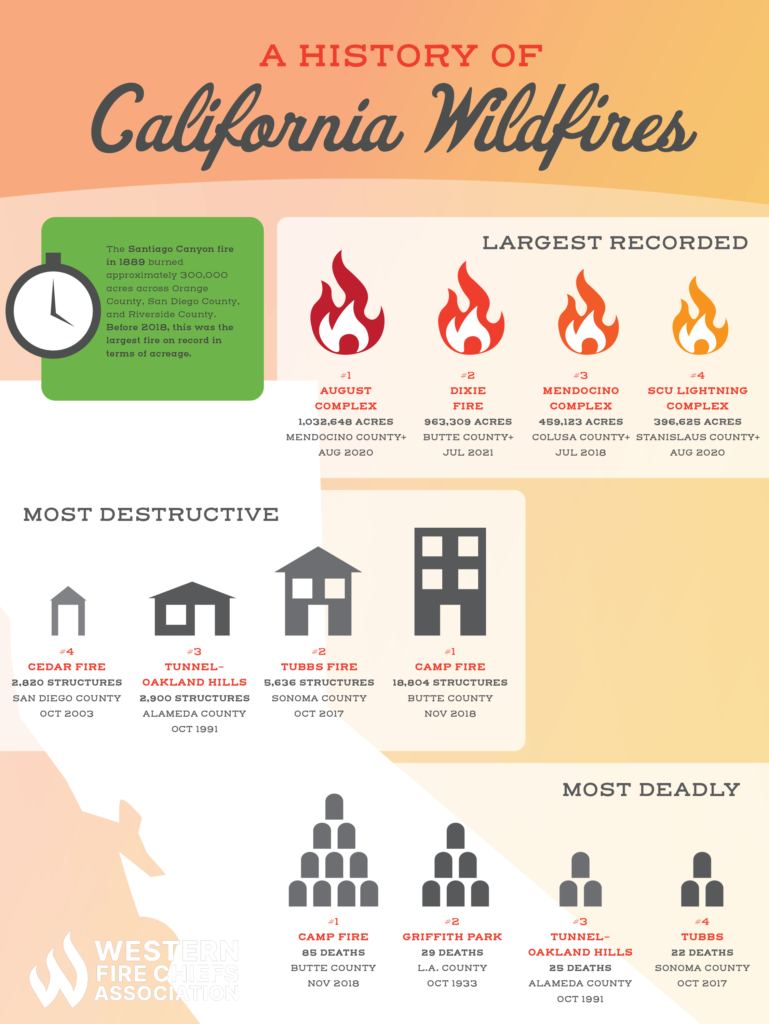
- Falling Power Lines: High winds, particularly during Santa Ana or Diablo wind events, can cause power lines to sway and come into contact with each other or vegetation, creating sparks that ignite dry brush and trees. The Camp Fire in 2018, the deadliest and most destructive wildfire in California history, was ultimately attributed to faulty equipment operated by Pacific Gas and Electric (PG&E).
- Substation Issues and Transformer Failures: Malfunctioning transformers or electrical equipment within substations can also generate sparks or overheat, leading to ignitions. Identifying and mitigating these risks is a continuous challenge for utility companies.
- Utility Company Responsibility: Investigations and subsequent lawsuits have often focused on the role of utility companies in maintaining their infrastructure. The need for proactive maintenance, vegetation management around power lines, and the implementation of de-energization protocols during high-risk weather conditions are critical.
Negligent Human Actions: Everyday Mistakes with Catastrophic Consequences
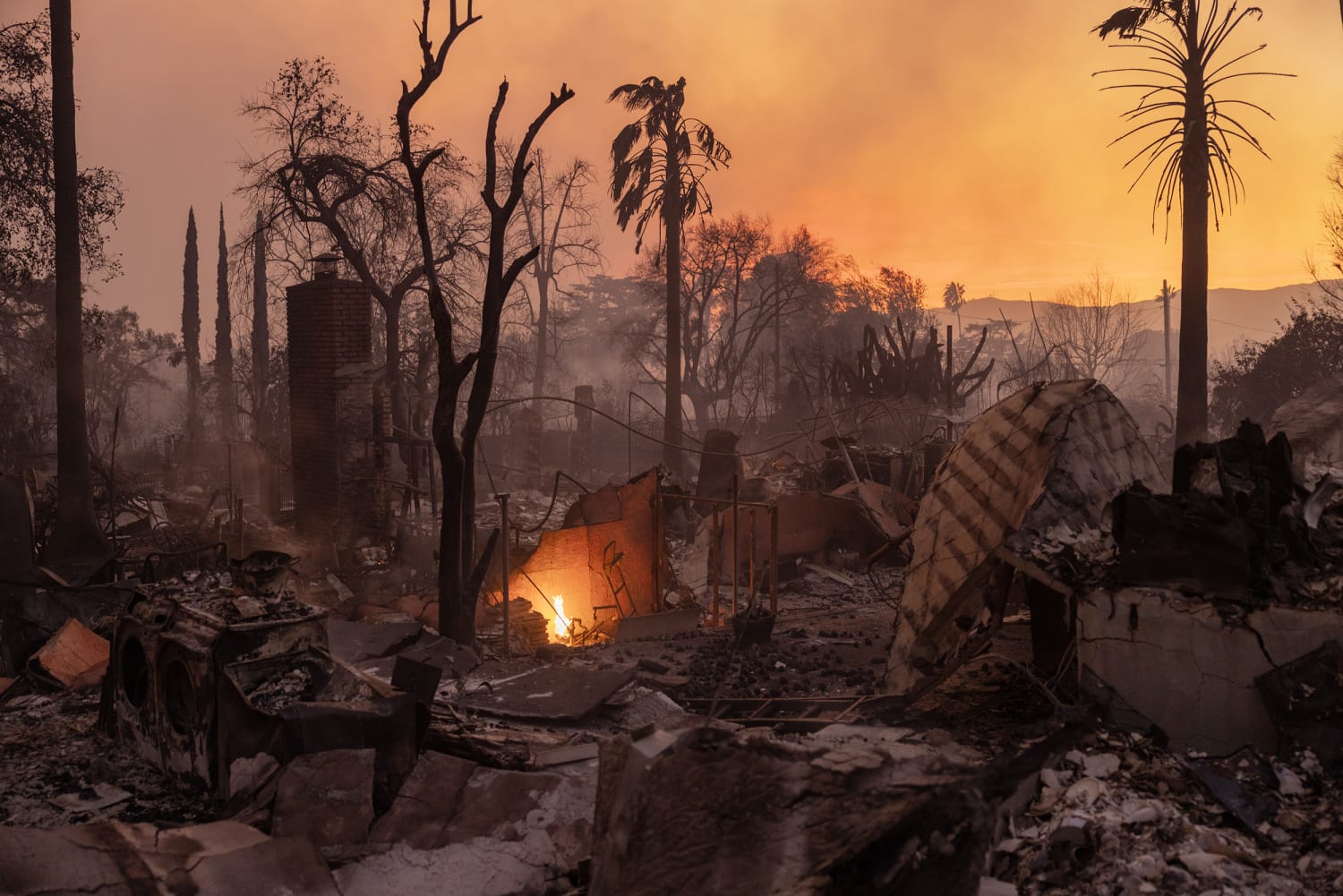
Many fires are started by seemingly innocuous actions that, under the dry and windy conditions prevalent in much of California, can quickly escalate into raging infernos. These acts of negligence underscore the importance of public awareness and adherence to fire safety regulations.
- Campfires and Outdoor Cooking: Unattended campfires or improperly extinguished embers from barbecues are frequent culprits, particularly in recreational areas and state parks. Even a small spark can ignite dry leaves and grasses.
- Vehicle and Equipment Sparks: Sparks from vehicle exhaust systems, dragging chains, or malfunctioning machinery can ignite roadside vegetation. Driving vehicles on dry grass, where hot catalytic converters can easily start a fire, is a significant risk.
- Fireworks and Open Burning: The illegal use of fireworks, especially in unincorporated or wildland areas, poses a severe fire risk. Similarly, improperly managed open burning of debris can easily spread out of control.
- Discarded Cigarettes: While perhaps less common than other causes, carelessly discarded cigarette butts, especially in dry conditions, can ignite surrounding vegetation.
Arson: The Deliberate Act of Destruction
Sadly, a portion of California wildfires are intentionally set. Arson is a criminal act driven by various motives, including vandalism, revenge, or for personal gain (e.g., to clear land). These fires are particularly frustrating as they are entirely preventable and cause immense damage and loss of life.
- Investigative Challenges: Identifying and apprehending arsonists can be difficult, requiring careful forensic investigation and often relying on eyewitness accounts or confessions.
- Impact of Arson: Arson fires often occur in areas with readily available fuel, and their deliberate nature can mean they are started at opportune times and locations to maximize their spread.
The Accelerants: Fuel, Weather, and Topography
Beyond the initial spark, several environmental factors conspire to turn small ignitions into uncontrollable conflagrations. Understanding these “accelerants” is crucial for comprehending why California is so susceptible to large-scale wildfires.
Fuel: The Tinderbox Condition of California’s Landscape
California‘s diverse ecosystems are inherently susceptible to fire, especially after prolonged periods of drought. The availability and condition of flammable material, known as fuel, are paramount in determining fire behavior.
- Drought and Dead Vegetation: Extended periods of drought, which have become more frequent and intense in recent years, desiccate vegetation, turning grasses, shrubs, and trees into highly flammable tinder. This dead and dry fuel is easily ignited and burns hotter and faster.
- Fuel Load Accumulation: Decades of fire suppression have led to an unnaturally high accumulation of dead wood, brush, and leaf litter on the forest floor in many areas. This increased fuel load can lead to more intense and widespread fires when they do occur.
- Invasive Species: Certain invasive plant species, such as cheatgrass, can dry out earlier in the season and create a continuous carpet of fine fuel, increasing the fire risk and altering the natural fire cycles.
Weather Patterns: The Wind Beneath the Flames
Weather plays a critical role in both the ignition and the spread of wildfires. Key meteorological factors can transform a smoldering ember into an inferno within minutes.
- High Winds: Strong, gusty winds are perhaps the most significant factor in the rapid spread of wildfires. Winds can fan flames, carry embers long distances (creating spot fires ahead of the main fire front), and supply oxygen to the fire. The infamous Santa Ana winds in Southern California and the Diablo winds in Northern California are notorious for their fire-exacerbating qualities.
- Low Humidity: Low relative humidity means that vegetation loses moisture more quickly and becomes more flammable. When combined with high temperatures, the fire potential increases dramatically.
- High Temperatures: Extended periods of extreme heat dry out vegetation further and can contribute to the rapid intensity of fires.

Topography: The Terrain That Fuels the Fury
The physical landscape of California significantly influences how wildfires behave. Steep slopes, canyons, and even the orientation of hillsides can impact fire spread.
- Slope: Fires tend to spread uphill much faster than on level ground or downhill. This is because flames preheat the vegetation above them, making it more susceptible to ignition. Steep canyons can also create a chimney effect, accelerating fire spread.
- Aspect: South-facing slopes in the Northern Hemisphere receive more direct sunlight and are typically hotter and drier, leading to increased fire activity compared to north-facing slopes.
- Wind Alignment: Topography can channel and amplify winds, further exacerbating fire spread in certain areas.
In conclusion, the question of “What Started California Fires?” reveals a complex narrative woven from natural phenomena and human actions. While lightning has historically played a role, the overwhelming majority of destructive blazes are ignited by human activity, ranging from electrical grid failures and negligent behavior to intentional arson. Coupled with the dry conditions of the state’s landscape, exacerbated by drought and fuel accumulation, and propelled by volatile weather patterns and challenging topography, these ignitions often result in the devastating wildfires that California has unfortunately come to know. Understanding these contributing factors is the first crucial step in developing effective prevention strategies and mitigating the impact of these recurring natural disasters on the state’s beautiful yet vulnerable environment.
LifeOutOfTheBox is a participant in the Amazon Services LLC Associates Program, an affiliate advertising program designed to provide a means for sites to earn advertising fees by advertising and linking to Amazon.com. Amazon, the Amazon logo, AmazonSupply, and the AmazonSupply logo are trademarks of Amazon.com, Inc. or its affiliates. As an Amazon Associate we earn affiliate commissions from qualifying purchases.