
California‘s natural landscapes, renowned for their breathtaking beauty and ecological diversity, stand as some of the world’s most iconic natural landmarks. From the towering redwoods of the north to the sun-baked chaparral of the south, these ecosystems are integral to the state’s identity and allure. However, this magnificent environment also possesses a perilous vulnerability: a propensity for wildfires. Understanding what ignites these devastating blazes is crucial for appreciating the challenges faced in preserving these natural wonders and the communities nestled within them. The causes are a complex interplay of environmental conditions, human activity, and the escalating impacts of climate change, all acting upon a landscape inherently primed to burn.
California’s Unique Natural Landscape: A Ticking Tinderbox
The very characteristics that make California’s natural landmarks so distinctive also contribute to its wildfire problem. The state’s geography and climate create an environment where fire is not just a possibility, but an ecological necessity in many areas, albeit one now intensified by external factors.
The Role of Climate and Topography
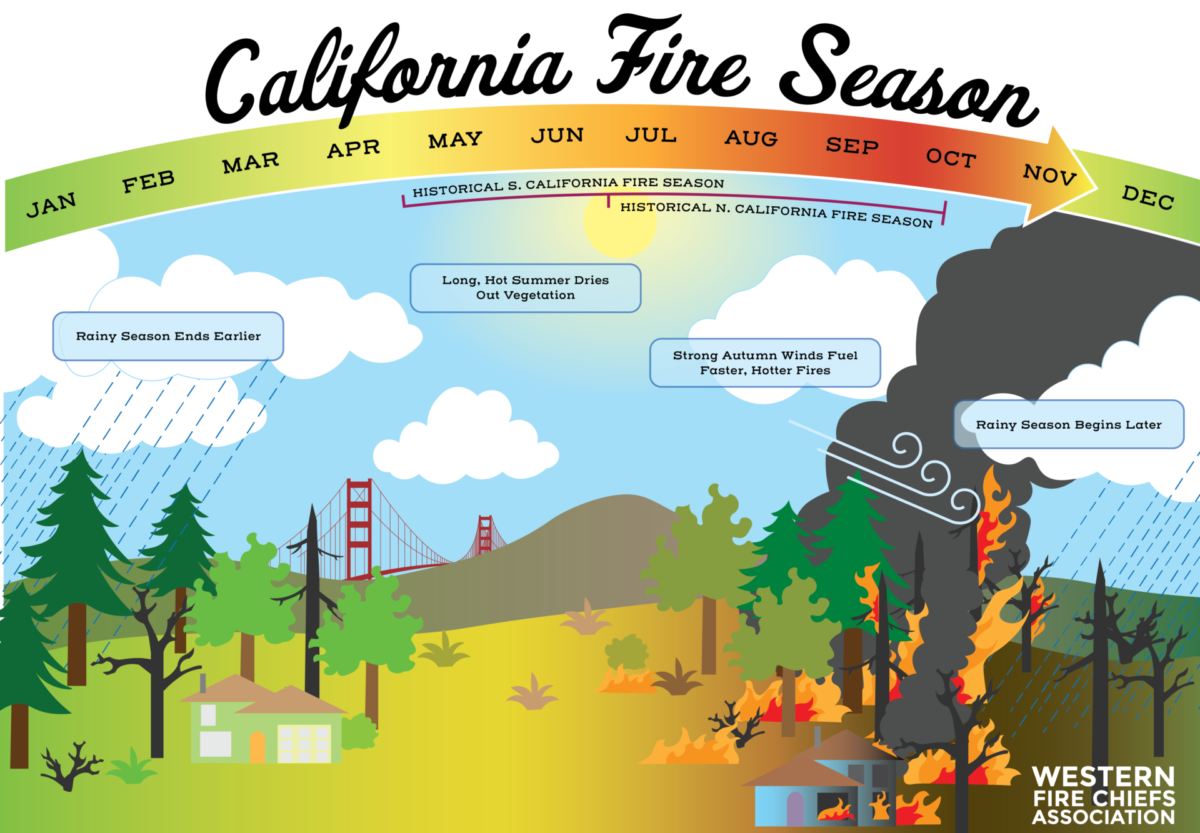
California is largely defined by its Mediterranean climate, characterized by hot, dry summers and mild, wet winters. This pattern creates a critical annual cycle: winter rains spur the growth of abundant vegetation, which then dries out completely under the relentless summer sun and persistent Santa Ana or Diablo winds. These winds, common in the autumn months, are particularly notorious for fanning small fires into infernos, rapidly spreading embers and making containment exceedingly difficult. The state’s rugged topography, with its numerous mountain ranges, canyons, and valleys, further exacerbates fire behavior. Steep slopes allow fires to move uphill with incredible speed, creating chimney effects, while canyons can channel winds and accelerate flames, making many wildland-urban interface areas particularly vulnerable.
Flammable Flora
The diverse plant life across California’s natural landmarks is perfectly adapted to these fire cycles, but also highly flammable. Chaparral, a dense shrubland common in Southern California, contains volatile oils that explode into flames under heat. Coniferous forests, such as those found in the Sierra Nevada, accumulate vast amounts of “fuel” in the form of dead trees, fallen branches, and dense undergrowth. Historically, more frequent, lower-intensity fires would clear this fuel, but a century of fire suppression has led to an unnatural accumulation, creating conditions for catastrophic crown fires that burn hotter and spread faster than natural fire regimes. Even grasslands, after drying out, provide a rapid pathway for fire spread, especially during windy conditions.
Human Activity: The Primary Ignition Source
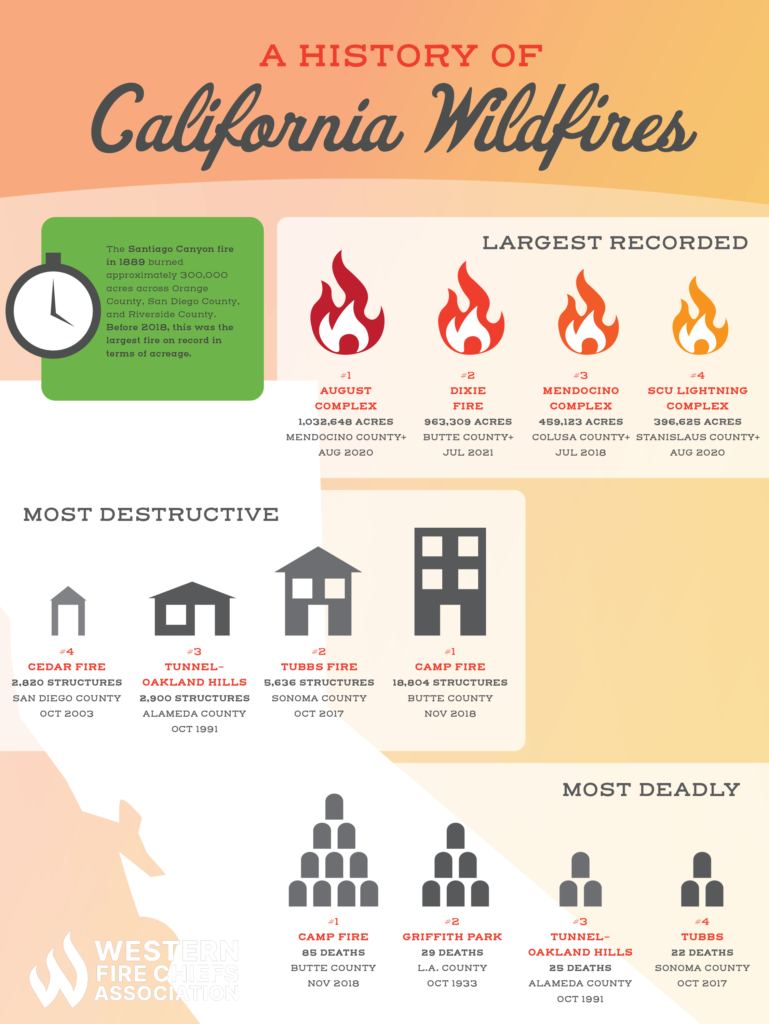
While natural conditions set the stage, human actions are overwhelmingly responsible for igniting the vast majority of wildfires in California. As urban development increasingly encroaches upon wildland areas, the likelihood of human-caused ignitions rises dramatically, threatening both natural landmarks and residential areas.
Power Lines and Electrical Equipment
A significant percentage of major wildfires in California originate from electrical infrastructure. Aging power lines, especially those running through densely vegetated or windy areas, can spark fires when they fall, are struck by objects, or short-circuit. Strong winds can cause lines to sway and touch, or to come into contact with dry vegetation or structures, throwing sparks that rapidly ignite. The consequences of these failures are severe, leading to some of the state’s most destructive and deadly fires. Utility companies face immense pressure to modernize their infrastructure and implement preventative measures, including Public Safety Power Shutoffs (PSPS), which temporarily cut power during high fire risk conditions, albeit with significant disruption to communities.
Campfires and Open Burning
Recreational activities, while essential to experiencing California’s natural landmarks, carry inherent risks. Unattended or improperly extinguished campfires are a perennial source of ignitions. Sparks from campfires can easily drift into dry brush and rapidly escalate. Similarly, prescribed burns, when not executed under ideal conditions or carefully monitored, can escape containment. Debris burning by residents, such as burning leaves or branches in backyards, also contributes to the problem, especially when done without proper permits, clearance, or during windy conditions. Education and strict enforcement of burning regulations are critical for prevention.
Equipment Use and Malfunctions
Various types of equipment can unintentionally spark wildfires. Construction equipment, vehicles, and even farm machinery can generate sparks from hot mufflers, catalytic converters, or mechanical failures. Grinding, welding, or using power tools outdoors during dry periods are also high-risk activities. Even something as seemingly innocuous as a flat tire on a vehicle can create sparks if the exposed rim scrapes against asphalt or gravel, particularly in areas with dry grass along roadsides. The cumulative effect of these seemingly minor incidents accounts for a substantial number of ignitions each year.
Arson
Sadly, a portion of wildfires are intentionally set. Arson can be motivated by various factors, including vandalism, revenge, or mental health issues. These fires are particularly challenging to predict and prevent, as they are not tied to environmental conditions or accidental oversight. Law enforcement agencies in California dedicate significant resources to investigating and prosecuting arsonists, recognizing the profound danger these acts pose to both human lives and the natural environment.
Natural Phenomena: Less Common, Yet Potent Igniters
While human activity dominates the ignition statistics, natural events also contribute to California’s wildfire landscape, demonstrating that fire is, in some contexts, an inherent part of these natural landmarks.
Lightning Strikes
Lightning is the primary natural cause of wildfires globally, and California is no exception, though it accounts for a smaller percentage of fires compared to human causes. Dry lightning storms, where lightning occurs without significant accompanying rainfall, are particularly dangerous. Strikes can hit trees or dry vegetation, smoldering for hours or even days before bursting into a full-fledged fire. These “sleeper fires” are difficult to detect early, often igniting in remote wilderness areas, such as those within the Shasta-Trinity National Forest or Yosemite National Park, making them challenging to access and contain. Large lightning events, like those experienced in 2020, can spark hundreds of fires simultaneously, overwhelming firefighting resources.
The Compounding Factor: Climate Change
Underlying and intensifying all other causes is the pervasive influence of climate change. Its effects are transforming California’s natural landmarks, creating conditions that are increasingly conducive to larger, more frequent, and more intense wildfires.
Prolonged Droughts and Heatwaves
Climate change contributes to more frequent and prolonged droughts across California, turning vegetation into exceptionally dry fuel. Higher average temperatures and more intense heatwaves further desiccate landscapes, increasing the flammability of forests and chaparral. These extreme conditions extend the fire season and create “fire weather” scenarios more often, meaning that any spark, whether human-caused or natural, has a much higher chance of developing into a major fire. The loss of moisture in the environment stresses trees and plants, making them more susceptible to insect infestations, which further increases the amount of dead and dry fuel.
Shifting Fire Seasons
Historically, California’s fire season was largely confined to the late summer and fall. However, climate change has blurred these boundaries. The fire season is now significantly longer, often starting earlier in spring and extending later into winter. This prolonged period of high risk places immense strain on firefighting resources and keeps communities on edge for a greater portion of the year. The concept of a “year-round fire season” is becoming an unfortunate reality for many parts of the state.
Preserving California’s Natural Landmarks: Mitigation and Prevention
Understanding the myriad causes of wildfires is the first step toward safeguarding California’s invaluable natural landmarks and the lives they support. A multi-faceted approach involving aggressive prevention, proactive land management, and increased public awareness is essential.
Forest Management and Fuel Reduction
Active forest management practices are critical for reducing the severity of future fires. This includes carefully planned prescribed burns, which mimic natural fire cycles to remove excessive fuel loads in a controlled manner. Mechanical thinning, where excess trees and undergrowth are removed, also helps create more resilient forests. These efforts aim to restore the health of ecosystems, allowing fire to play its natural, beneficial role without becoming catastrophic. Investments in these practices are vital for protecting areas like the Redwood National Park and the vast national forests that are integral to California’s natural heritage.

Public Awareness and Preparedness
Empowering individuals with knowledge and resources is a cornerstone of wildfire prevention. Campaigns educating the public about safe outdoor practices, such as proper campfire etiquette, safe use of power equipment, and the dangers of illegal burning, are ongoing. Encouraging homeowners in wildland-urban interface zones to create defensible space around their properties—by clearing flammable vegetation—significantly reduces the risk of home ignition. Community preparedness, including evacuation plans and emergency alerts, also plays a crucial role in minimizing loss of life and property when fires inevitably strike. By understanding and respecting the inherent flammability of California’s natural landmarks, both residents and visitors can become part of the solution in preserving these magnificent environments for future generations.
LifeOutOfTheBox is a participant in the Amazon Services LLC Associates Program, an affiliate advertising program designed to provide a means for sites to earn advertising fees by advertising and linking to Amazon.com. Amazon, the Amazon logo, AmazonSupply, and the AmazonSupply logo are trademarks of Amazon.com, Inc. or its affiliates. As an Amazon Associate we earn affiliate commissions from qualifying purchases.