
Engaging with the democratic process is a fundamental aspect of civic life, deeply woven into the fabric of the California lifestyle. For residents, understanding the intricacies of elections, particularly the crucial polling hours, is essential for active participation. Whether you’re a long-time resident, a recent transplant, or someone considering making the Golden State your home, knowing when and how to cast your ballot is a key part of integrating into the local community and contributing to its future. This guide provides comprehensive insight into California’s voting timelines and methods, ensuring you are well-prepared to exercise your right.
Understanding California’s Election Landscape
California has evolved its election processes significantly over the years, aiming to maximize voter access and convenience. The state is a pioneer in several voting reforms, making it easier than ever for eligible citizens to participate. However, despite these advancements, the close of polls remains a strict deadline that all voters must observe.
The Standard Polling Hours
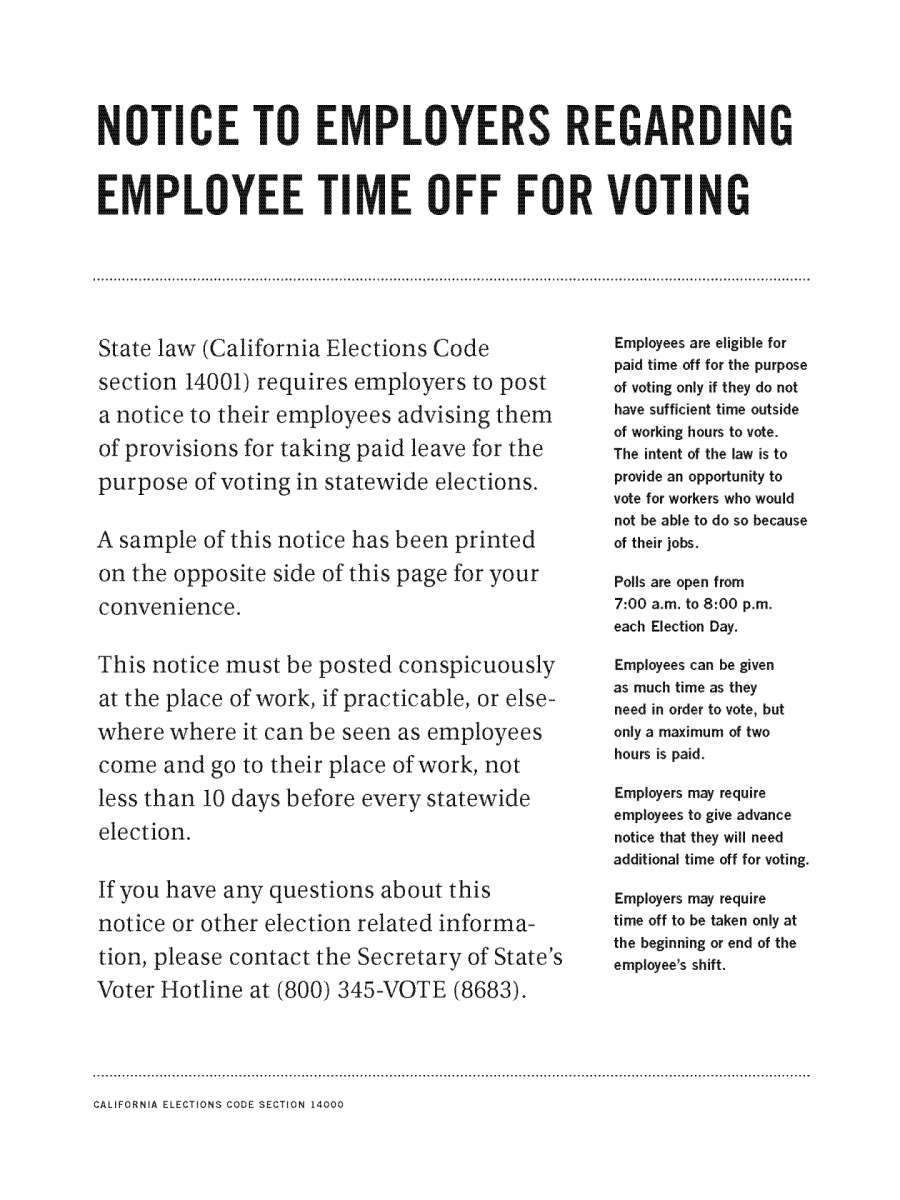
Across the vast expanse of California, from the bustling streets of Los Angeles to the quiet vineyards of Napa Valley, the standard time for in-person polling places to close on Election Day is 8:00 PM Pacific Time. This applies universally throughout the state for all statewide, federal, and most local elections. It is crucial to remember that “8:00 PM” refers to the time the polls close, not the time you must finish voting. As long as you are in line at your designated polling place by 8:00 PM, you are legally entitled to cast your ballot, no matter how long it takes for you to reach the voting machine or ballot drop-off. This commitment to allowing everyone in line to vote underscores California’s dedication to accessible democracy.
The Importance of Your Vote
In a state as populous and diverse as California, every vote truly counts. Local propositions can significantly impact property taxes, school funding, and public infrastructure, while statewide measures shape environmental policy, economic regulations, and social programs. Federal elections, of course, have national and international implications. Participating in this process is not merely a right but a civic responsibility that influences the quality of life, economic opportunities, and cultural landscape of the communities we inhabit. For those adopting a California lifestyle, understanding and engaging with these processes is a direct way to help shape your surroundings and ensure your voice is heard on matters that affect your daily life.
Key Voting Methods in the Golden State
California’s approach to elections prioritizes flexibility, offering multiple pathways for eligible citizens to cast their ballots. This multi-faceted system is designed to accommodate various lifestyles and schedules, from busy professionals to those in remote areas.
Vote-by-Mail: A Prevalent Practice
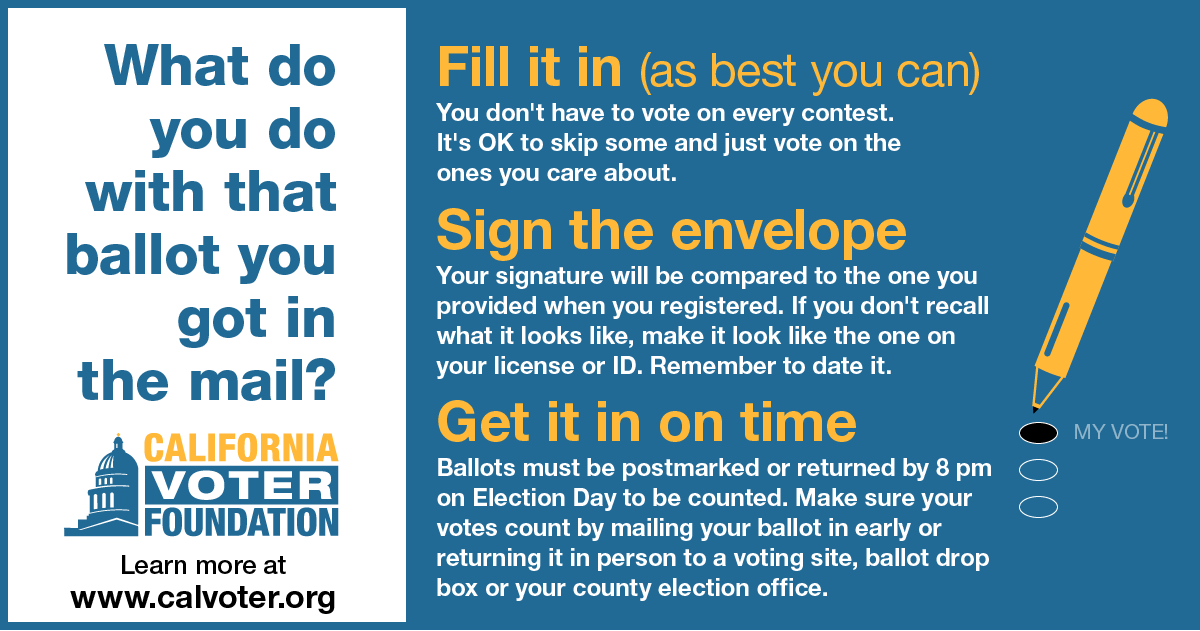
One of the most significant shifts in California’s electoral landscape has been the widespread adoption of vote-by-mail. For many elections, every registered voter in California automatically receives a vote-by-mail ballot. This system has become the preferred method for millions, offering the convenience of completing your ballot from the comfort of your home at your leisure.
For vote-by-mail ballots to be counted, they must be postmarked on or before Election Day and received by your county elections office no later than seven days after Election Day. Alternatively, you can drop off your completed vote-by-mail ballot at any official drop box location or at any polling place or vote center in your county by 8:00 PM on Election Day. These drop box locations are typically available for several weeks leading up to the election, offering ample opportunity to submit your ballot without relying on postal services. Checking the official county elections website or the California Secretary of State‘s portal is always recommended for specific deadlines and locations.
In-Person Voting: Locations and Accessibility
Despite the prevalence of vote-by-mail, in-person voting remains a vital option and, for many, a preferred tradition. California utilizes a hybrid model that includes traditional polling places and modern vote centers.
Traditional Polling Places
In some counties, traditional polling places are open only on Election Day from 7:00 AM to 8:00 PM. These are typically neighborhood locations, such as schools, community centers, or churches, assigned based on your residential address.
Vote Centers
Many counties, particularly larger ones like Los Angeles County and Orange County, have transitioned to a vote center model. Vote centers differ from traditional polling places in several key ways:
- Extended Hours: They often open several days or even weeks before Election Day, offering extended hours to accommodate diverse schedules.
- Any Eligible Voter: You can vote at any vote center in your county, regardless of your residential address within that county. This flexibility is a significant benefit for those whose work or personal schedules make visiting a specific precinct difficult.
- Comprehensive Services: Vote centers provide a full range of services, including voter registration, conditional voter registration, replacement ballots, and language assistance.
- Digital Tools: Many vote centers feature electronic poll books and accessible voting machines, enhancing the voting experience.

Regardless of whether you use a traditional polling place or a vote center, the final deadline to cast your ballot in person is 8:00 PM on Election Day. Be sure to check your county’s Registrar of Voters website for specific locations and operating hours leading up to an election.
Beyond the Ballot Box: Election Day Dynamics
Understanding the actual moment the polls close is only one piece of the puzzle. A truly informed civic lifestyle in California involves knowing the processes that lead up to and occur at the polling place.
Voter Registration and Eligibility
To vote in California, you must be:
- A U.S. citizen and a resident of California.
- At least 18 years old by Election Day.
- Not currently serving a state or federal prison term for the conviction of a felony.
- Not currently found mentally incompetent to vote by a court.
California offers same-day voter registration, also known as Conditional Voter Registration (CVR). This means if you miss the official 15-day registration deadline before Election Day, you can still go to any vote center or your county elections office, register, and cast a provisional ballot that will be counted once your eligibility is confirmed. This flexibility is a cornerstone of California’s commitment to broad civic participation.
What to Expect at the Polls
When you arrive at a polling place or vote center, you will typically be greeted by poll workers. These dedicated community members are there to assist you. You may be asked to state your name and address. While California generally does not require voters to show photo identification to cast a regular ballot, it’s always a good idea to have one on hand, just in case there are questions about your registration. If you are registering conditionally or if there are issues with your registration, an ID might be requested. Language assistance, accessible voting machines for voters with disabilities, and provisional ballots are standard services available at all official voting locations.
Provisional Ballots: A Safety Net
A provisional ballot acts as a safety net, ensuring that no eligible voter is turned away from the polls. If there’s any uncertainty about your eligibility, such as your name not appearing on the voter roll, or if you’ve moved recently, you will be offered a provisional ballot. This ballot is sealed in a special envelope and set aside, allowing you to cast your vote while your eligibility is verified by election officials after Election Day. If you cast a provisional ballot, you have the right to track its status to confirm it was counted. This commitment to provisional voting reinforces the state’s dedication to maximum voter participation, ensuring that administrative errors or last-minute changes don’t disenfranchise eligible citizens.
Planning Your Election Day Lifestyle
Integrating civic duties into your daily or long-term lifestyle in California requires a bit of planning, especially around election periods. Being informed and prepared makes the voting process seamless and stress-free.
Resources for Voters
The best resources for accurate and up-to-date information are official government channels:
- California Secretary of State’s Website: This portal provides comprehensive information on voter registration, upcoming elections, ballot propositions, and links to county election offices. It’s an invaluable resource for all California residents.
- County Registrar of Voters Websites: Your specific county elections office (e.g., San Francisco Department of Elections, Sacramento County Voter Registration and Elections) will provide localized information, including specific polling place or vote center locations, drop box sites, sample ballots, and exact hours of operation for multi-day vote centers.
- “Where’s My Ballot?” Tool: The Secretary of State offers a convenient online tool that allows you to track your vote-by-mail ballot from the moment it’s mailed to you until it’s received and counted by election officials.
Bookmark these sites and sign up for email alerts to stay informed about important deadlines and election news.
The Civic Duty Mindset
For many, voting is more than just a right; it’s an essential aspect of their personal lifestyle and commitment to their community. By making a plan to vote, whether it’s setting aside time to carefully review your vote-by-mail ballot, knowing your nearest vote center, or ensuring you’re in line by 8:00 PM on Election Day, you contribute to a vibrant and responsive democracy. The 8:00 PM deadline for polling places is a firm reminder of the importance of timely participation. Embrace this aspect of the California lifestyle and play your part in shaping the future of this dynamic state.
LifeOutOfTheBox is a participant in the Amazon Services LLC Associates Program, an affiliate advertising program designed to provide a means for sites to earn advertising fees by advertising and linking to Amazon.com. Amazon, the Amazon logo, AmazonSupply, and the AmazonSupply logo are trademarks of Amazon.com, Inc. or its affiliates. As an Amazon Associate we earn affiliate commissions from qualifying purchases.