
Tampa, Florida, a vibrant metropolis nestled on the west coast of the Sunshine State, occupies a unique geographical and climatic position. Understanding its “zone” is crucial for residents and visitors alike, impacting everything from daily weather patterns and outdoor activities to the very ecosystems that define the region. This exploration delves into Tampa’s designation, primarily focusing on its climatic and agricultural zoning, and how these classifications shape the experience of being in this dynamic city.
Understanding Climate Zones in the United States
The United States, with its vast and varied geography, is divided into several climate zones, each characterized by distinct temperature ranges, precipitation patterns, and growing seasons. These zones are fundamental for a wide array of applications, from agricultural planning and plant hardiness to building codes and disaster preparedness. While there isn’t a single, universally recognized “zone” that encompasses every aspect of a city’s characteristics, climate and agricultural hardiness zones are the most relevant when discussing what defines a region’s environmental conditions.
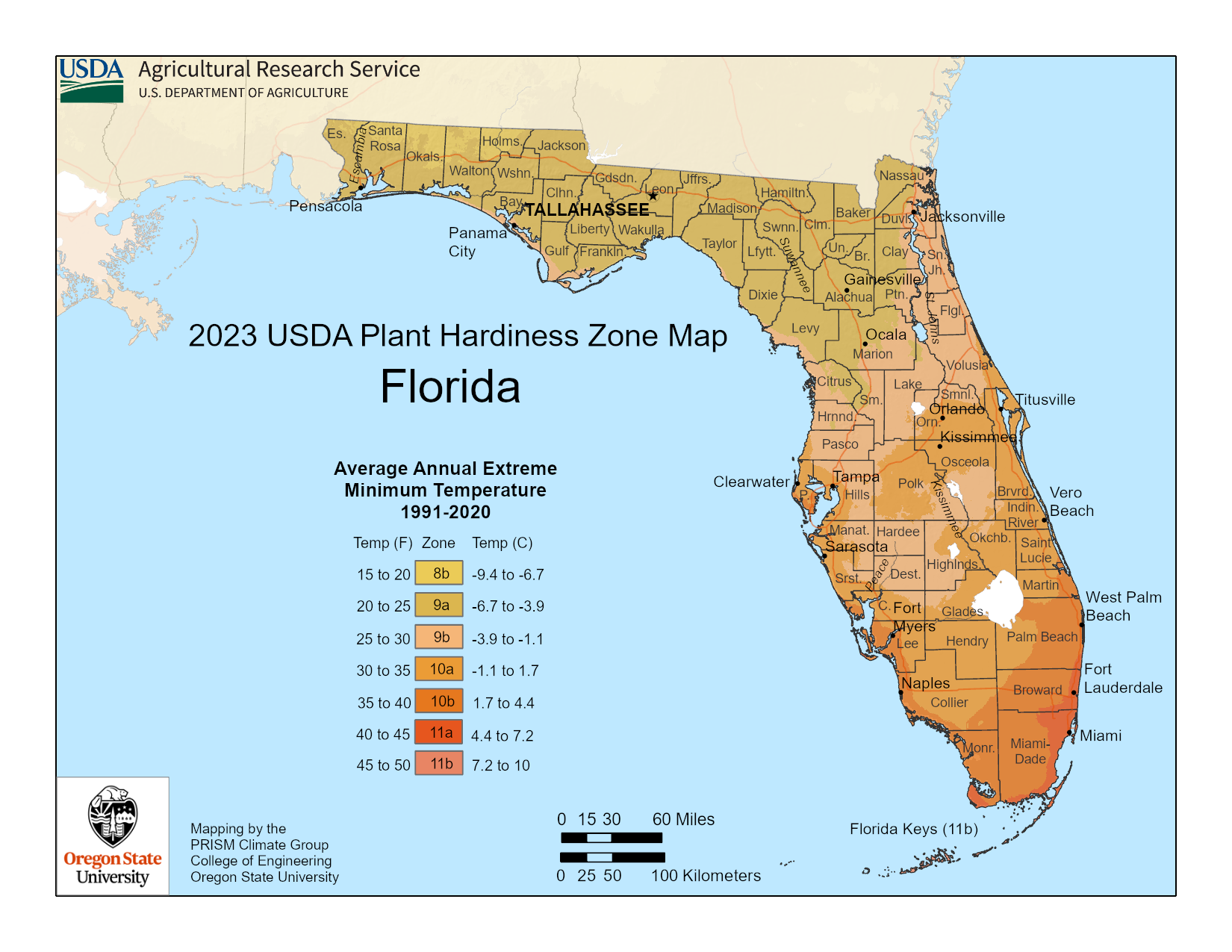
USDA Plant Hardiness Zones
Perhaps the most commonly referenced zoning system in the U.S. is the USDA Plant Hardiness Zone Map. Developed by the U.S. Department of Agriculture, this map divides the country into 11 distinct zones based on average annual minimum winter temperatures. Each zone represents a 10-degree Fahrenheit range, with Zone 1 being the coldest and Zone 11 the warmest. These zones are critical for gardeners and agriculturalists, as they indicate which perennial plants are most likely to thrive and survive the winter in a particular area.
Koppen Climate Classification
Another significant system for understanding regional climates is the Koppen Climate Classification. This system categorizes climates based on temperature, precipitation, and seasonal variations. It provides a more nuanced view of a region’s overall weather patterns, distinguishing between types like tropical, arid, temperate, continental, and polar climates.
Tampa, Florida’s Climatic Designation
When we consider “what zone” Tampa, Florida belongs to, we are primarily looking at its classification within these broader climate and hardiness zone frameworks.
USDA Hardiness Zone for Tampa
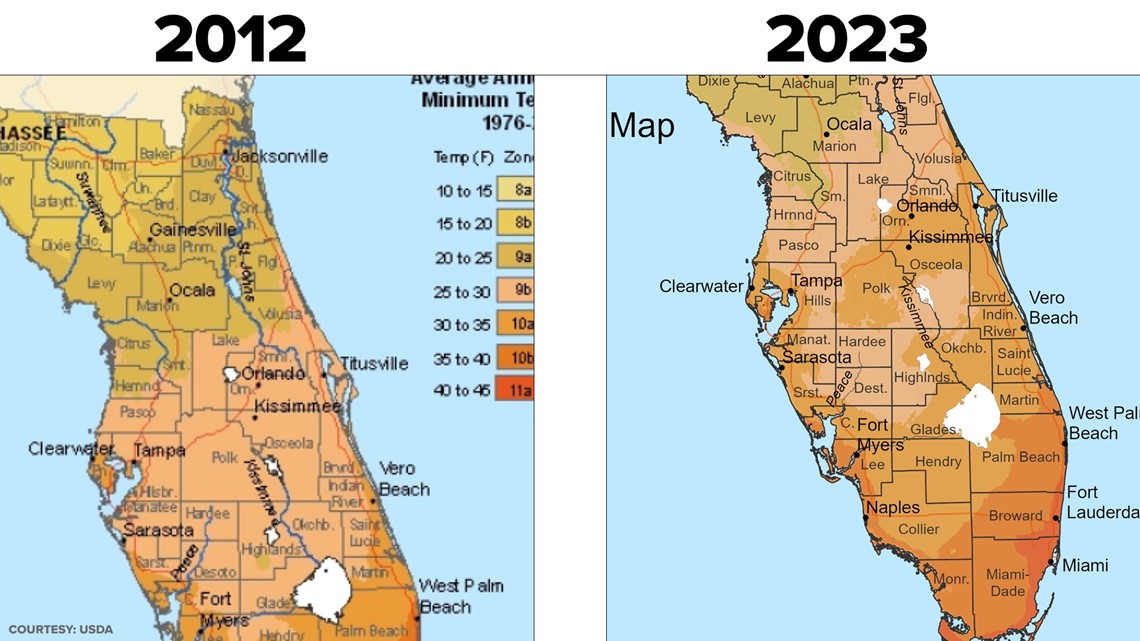
Tampa, Florida falls squarely within the warmer end of the USDA Plant Hardiness Zones. Specifically, the city is predominantly located in Zone 9b. Zone 9b is characterized by average annual minimum winter temperatures between 25°F and 30°F (-3.9°C to -1.1°C). This means that while occasional light frosts can occur, prolonged periods of freezing temperatures are rare. This mild winter climate is a defining characteristic of the Gulf Coast region of Florida and is a significant factor for plant selection and outdoor living.
Koppen Climate Classification for Tampa
Under the Koppen Climate Classification system, Tampa, Florida is classified as having a Humid Subtropical Climate (Cfa). This designation is characterized by:
- Hot, Humid Summers: Tampa experiences long, warm summers with high humidity levels. Average summer temperatures are typically in the mid-80s to low 90s Fahrenheit (around 29-33°C), with heat indices often feeling higher due to humidity.
- Mild Winters: As indicated by its USDA hardiness zone, Tampa’s winters are generally mild. Average winter temperatures are in the 50s and 60s Fahrenheit (around 10-15°C), with occasional dips into the 40s. Freezing temperatures are infrequent.
- Abundant Rainfall: The region receives significant rainfall, with a distinct wet season typically occurring from June through September, often associated with afternoon thunderstorms. The dry season generally runs from October through May.
This humid subtropical climate means that outdoor activities are possible for a large portion of the year, but it also necessitates an awareness of hurricane season, which officially runs from June 1st to November 30th.
Implications of Tampa’s Zone Classification
Understanding Tampa’s zone classification has tangible implications for various aspects of life in and around the city.
Gardening and Agriculture
For those with a green thumb, Tampa’s Zone 9b designation is a gardener’s dream. It allows for the cultivation of a wide variety of plants that would not survive in colder climates.
Year-Round Growing Potential
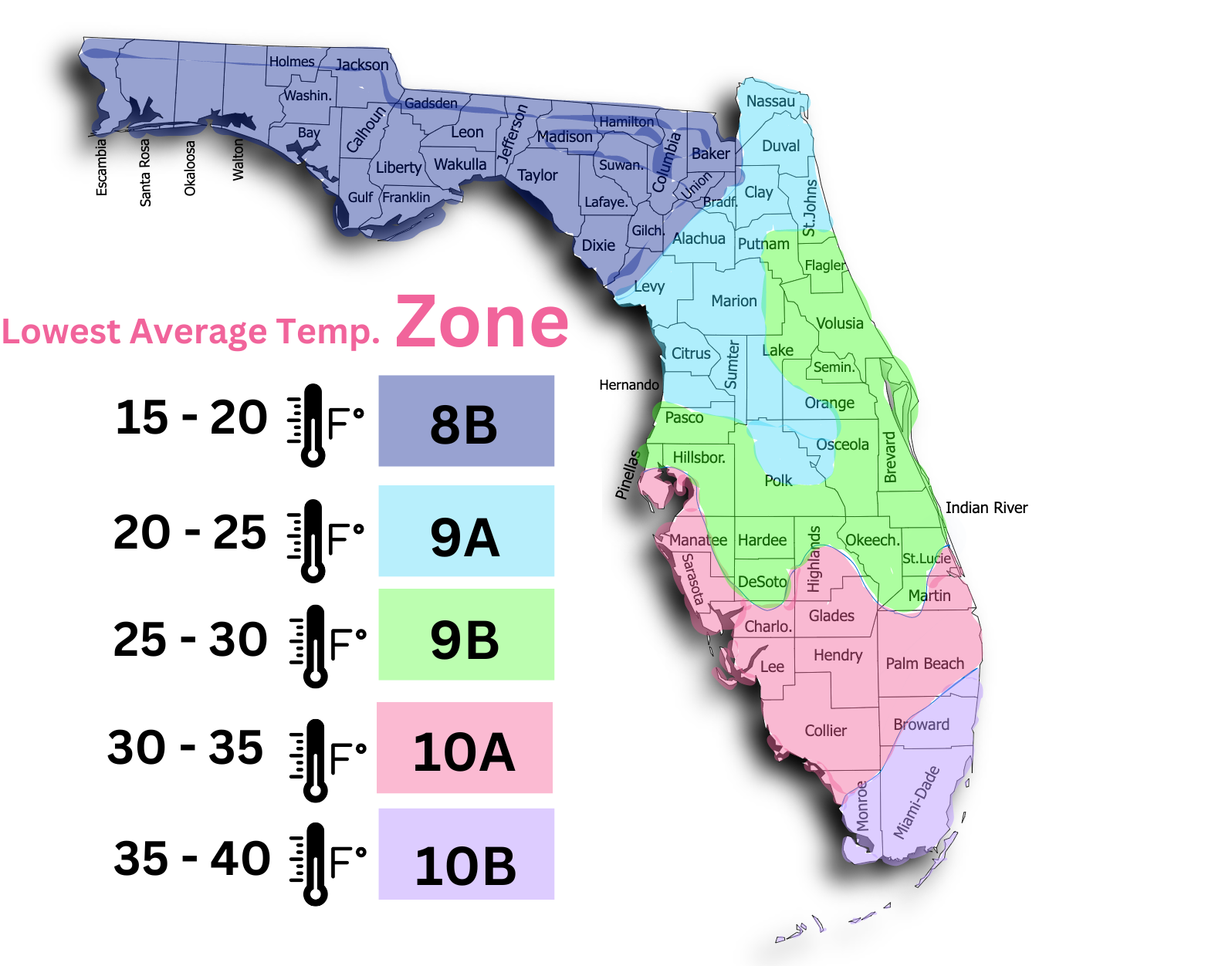
With mild winters, many vegetables and herbs can be grown almost year-round. Cool-season crops like lettuce, spinach, broccoli, and peas can be planted in the fall and winter, while warm-season favorites such as tomatoes, peppers, cucumbers, and beans thrive during the spring and summer months. Citrus trees, a hallmark of Florida’s agriculture, flourish in this zone, with oranges, grapefruits, and lemons being common sights in local groves and backyards.
Tropical and Subtropical Flora
Tampa’s climate is conducive to growing a diverse range of tropical and subtropical plants, including palms, hibiscus, bougainvillea, and orchids. These plants add to the lush, verdant landscape that defines much of the city and surrounding areas, contributing to its attractive aesthetic.
Outdoor Recreation and Lifestyle
The consistently warm weather in Tampa significantly influences its outdoor recreation scene and overall lifestyle.
Beach and Water Activities
Proximity to the Gulf of Mexico means that water-based activities are a major draw. Beaches like Clearwater Beach and St. Pete Beach are popular destinations, and activities like swimming, boating, fishing, and kayaking are enjoyed throughout much of the year. The warm waters of the Gulf make these pursuits accessible even during the winter months.
Parks and Green Spaces
Tampa boasts numerous parks and green spaces, such as Curtis Hixon Waterfront Park and Hillsborough River State Park, which are ideal for picnics, hiking, and other outdoor pursuits. The ability to comfortably engage in these activities for most of the year is a direct benefit of its favorable climate.
Construction and Infrastructure
Building codes and infrastructure development in Tampa are also influenced by its climate.
Hurricane Preparedness
The humid subtropical climate also means Tampa is susceptible to hurricanes. Construction standards in Florida, particularly in coastal areas like Tampa, are designed to withstand high winds and heavy rainfall associated with these powerful storms. This includes requirements for reinforced roofing, impact-resistant windows, and elevated structures in flood-prone zones.
Air Conditioning and Humidity Control
The high humidity during the summer months makes efficient air conditioning systems essential for comfort and indoor air quality. Buildings are designed with robust cooling systems, and dehumidification is often a key consideration in architectural planning.
Beyond Climate: Other Considerations for Tampa’s “Zone”
While climate and USDA hardiness zones are the primary classifications for “what zone” Tampa belongs to, other factors can influence how one perceives the city’s environment and its place within broader contexts.
Economic and Cultural Zones
Tampa is a significant economic hub in Florida, part of the larger Tampa Bay Area. It is recognized as a metropolitan area with diverse industries, including healthcare, finance, technology, and tourism. Culturally, it’s a melting pot of influences, with a strong Hispanic heritage evident in its cuisine and traditions, particularly in areas like Ybor City, a historic Cuban-American neighborhood.
Tourism and Travel Zones
From a tourism perspective, Tampa, Florida is a key destination within the “Gulf Coast” or “Central Florida” travel zones. It offers a mix of attractions, from the thrilling rides at Busch Gardens Tampa Bay and the marine life at the Florida Aquarium, to its vibrant downtown and proximity to world-renowned beaches.
In conclusion, when asking “What Zone Is Tampa, Florida?”, the most accurate answer centers on its USDA Hardiness Zone 9b and its Humid Subtropical Climate (Cfa). These classifications are not merely academic labels; they are the foundation upon which the city’s natural beauty, agricultural potential, recreational opportunities, and even its built environment are shaped. This understanding provides valuable insight for anyone looking to plant roots, plan a visit, or simply appreciate the unique environmental character of this captivating Florida city.
LifeOutOfTheBox is a participant in the Amazon Services LLC Associates Program, an affiliate advertising program designed to provide a means for sites to earn advertising fees by advertising and linking to Amazon.com. Amazon, the Amazon logo, AmazonSupply, and the AmazonSupply logo are trademarks of Amazon.com, Inc. or its affiliates. As an Amazon Associate we earn affiliate commissions from qualifying purchases.