
For travelers eyeing the sun-drenched landscapes and iconic attractions of California, the periodic news of wildfires can introduce a layer of uncertainty into planning. Far from a constant state of emergency across the entire state, the narrative around California fires is more nuanced, requiring a detailed understanding for anyone looking to visit. While the images of widespread blazes often dominate headlines, the reality for most travelers is that vast stretches of the Golden State remain open, beautiful, and welcoming. However, being informed about fire season, potential impacts, and how to navigate travel responsibly is paramount for a safe and enjoyable journey. This article aims to demystify the situation, providing insights for travelers on how to plan, adapt, and experience the best of California even during periods of increased fire activity.
Navigating Travel Through California’s Fire Seasons
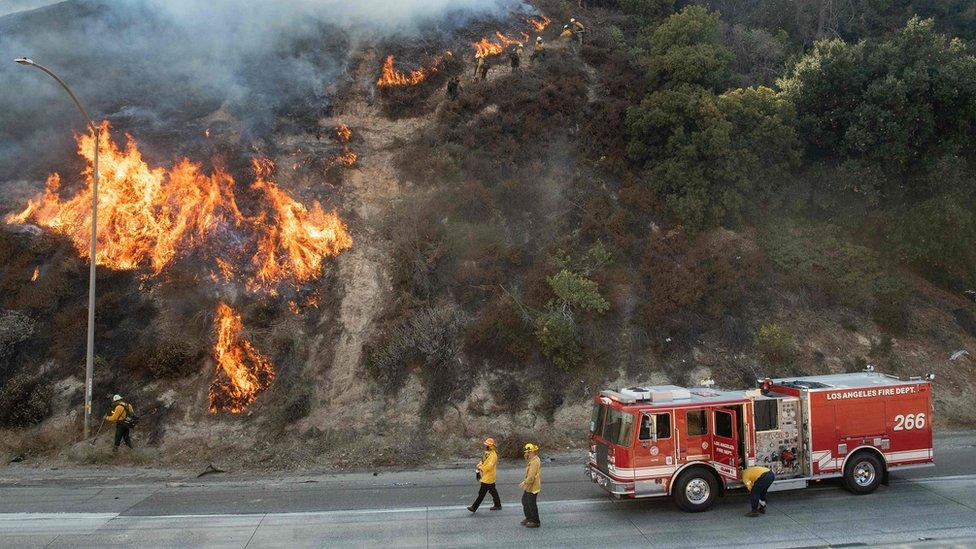
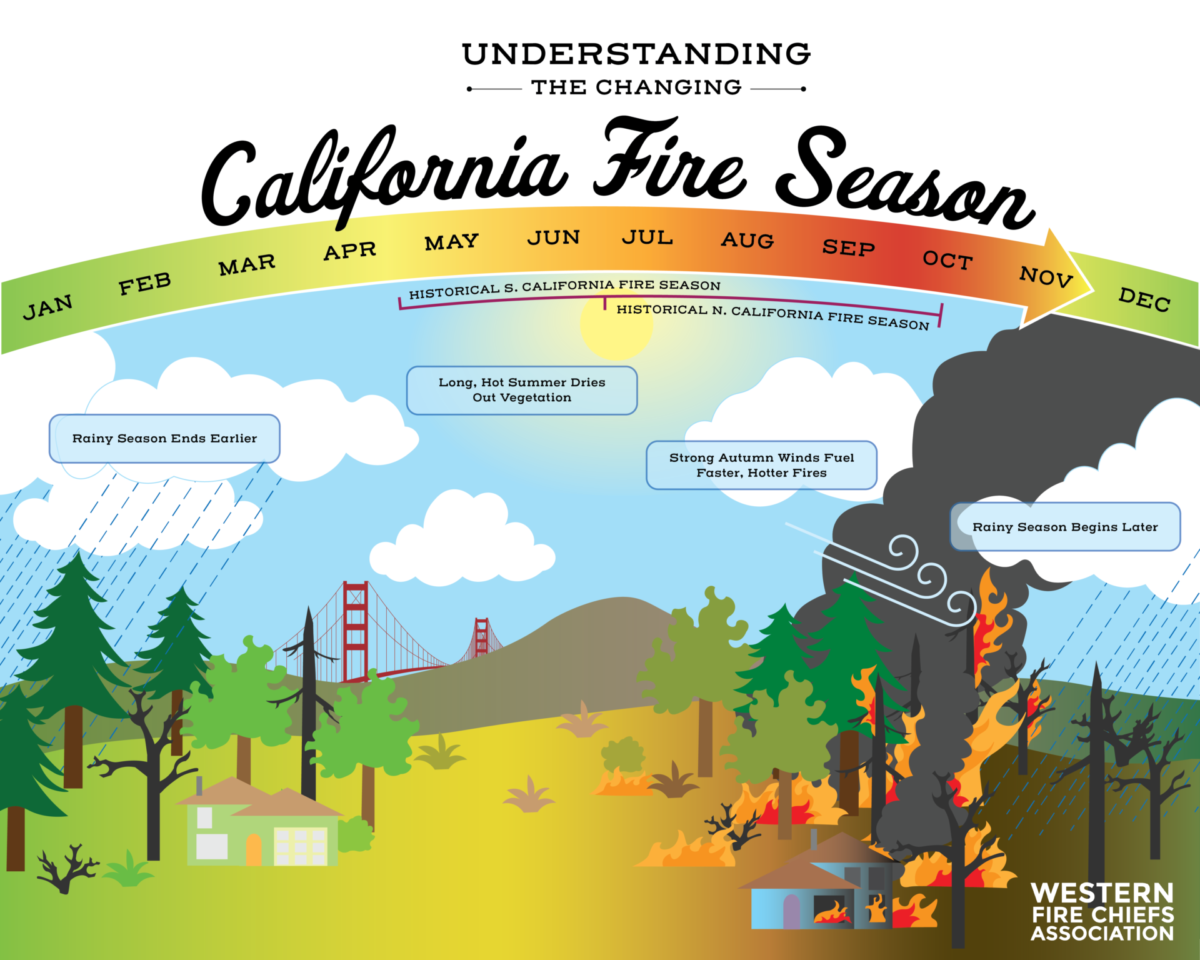
California’s Mediterranean climate, characterized by hot, dry summers and mild, wet winters, makes it naturally prone to wildfires, particularly from late spring through late fall. This “fire season” has seen shifts in recent years, with some periods experiencing more intense or prolonged events. For travelers, understanding the general patterns and regional vulnerabilities is the first step in informed planning.
Understanding the Geographic Impact
It’s crucial to recognize that California is an enormous state, spanning over 163,000 square miles. A fire affecting a specific region, such as parts of Northern California’s forests or the foothills of the Sierra Nevada, does not typically impact major metropolitan areas like Los Angeles or San Francisco, nor popular coastal destinations like San Diego or Santa Barbara. Wildfires often occur in wildland-urban interface areas, where undeveloped land meets communities, or deep within national forests and parks. For instance, while a fire might temporarily close sections of a national forest or impact wine country in Napa Valley or Sonoma County, destinations like Palm Springs, Lake Tahoe (unless directly affected), or the bustling attractions of Hollywood usually remain unaffected and fully accessible. Travelers should always check specific regional alerts, rather than broad statewide warnings, before making assumptions about their chosen destination.
The Air Quality Index and Your Health
Beyond direct fire threats, smoke is often the most widespread impact for travelers. Large fires, even those hundreds of miles away, can lead to hazy skies and reduced air quality in distant locations. The Air Quality Index (AQI) is a critical tool for travelers during fire season. An AQI reading will indicate the level of air pollution and associated health concerns. Generally, an AQI below 50 is considered good, while readings above 100 can be unhealthy for sensitive groups, and above 150, unhealthy for everyone. Major metropolitan areas like Sacramento or Fresno located closer to inland fires may experience more significant air quality degradation than coastal cities. Travelers with respiratory conditions, the elderly, or young children should pay particular attention to AQI forecasts and consider adjusting outdoor activities or even travel plans if air quality is poor in their intended destination. Most regional news outlets and government websites, like those from the California Air Resources Board, provide real-time AQI maps and recommendations.
Essential Planning for a California Trip
Careful planning and a degree of flexibility are key to enjoying California during fire season. Rather than deterring travel, these events underscore the importance of preparation and reliance on credible information sources.
Utilizing Official Resources and Real-Time Updates
The most reliable information regarding current wildfires, road closures, and evacuation orders comes from official state and local agencies. CAL FIRE (the California Department of Forestry and Fire Protection) is the primary source for wildfire information, offering incident maps and updates. The National Park Service and the U.S. Forest Service provide critical updates for their respective managed lands, including popular destinations like Yosemite National Park, Sequoia National Park, and Redwood National Park. For road conditions, the California Department of Transportation (Caltrans) is indispensable, providing real-time updates on closures and detours, which are often a direct result of fire activity or preventative measures. Travelers should make it a habit to check these sites daily leading up to and during their trip, especially if their itinerary includes areas prone to wildfires or dense forests.
Flexibility and Trip Insurance
A flexible approach to travel is highly recommended. This might mean having alternative routes or even alternative destinations in mind, especially if your primary plan involves a high-risk area. Booking accommodations with generous cancellation policies can provide peace of mind. Investing in comprehensive travel insurance that covers natural disasters, including wildfires, is also a prudent decision. Before purchasing, carefully review the policy details to understand what is covered, such as trip cancellation or interruption due to mandatory evacuations, road closures, or air quality warnings. Many policies have specific clauses for natural disasters, and understanding these can save significant financial loss and stress should your plans be impacted. Discussing these specific concerns with an insurance provider before purchase is always advisable.

Reimagining Outdoor Adventures and Scenic Routes
While some traditional outdoor activities might be curtailed, California’s diversity ensures that incredible experiences are still possible, even during fire season. It often means adjusting expectations or exploring different facets of the state.
National Parks and Wilderness Areas: What to Expect
California is home to nine national parks, numerous state parks, and vast wilderness areas, many of which are beloved for their natural beauty. During fire season, these areas might implement temporary closures, fire restrictions (such as bans on campfires or specific trails), or even full evacuations if a fire is nearby. For example, parts of Lassen Volcanic National Park or portions of the Pacific Crest Trail may experience closures. Before heading out, always check the specific park’s website and the California Department of Parks and Recreation for state parks. If a desired area is affected, consider exploring less fire-prone regions or focusing on activities that don’t involve deep wilderness exploration. Many coastal state parks, for instance, are less frequently impacted by wildfires due to their proximity to the ocean and different vegetation types.
Coastal Escapes and Urban Exploration Alternatives
When inland and mountainous areas face fire threats, California’s expansive coastline often provides a pristine alternative. From the rugged cliffs of Big Sur (checking for specific localized closures due to rockslides or other issues) to the sandy beaches of Orange County, coastal drives along the Pacific Coast Highway and seaside towns remain vibrant. Urban centers like San Francisco, Los Angeles, and San Diego offer world-class museums, culinary experiences, theme parks, and cultural attractions that are rarely directly threatened by wildfires. Even if smoke haze is present, indoor attractions, fine dining, and theater continue largely uninterrupted. Travelers can pivot their itineraries to focus on these urban and coastal gems, enjoying the cultural richness and diverse entertainment options that define California beyond its wilderness.
Supporting California Tourism Sustainably
Visiting California during or after fire season can also be a meaningful way to contribute to its recovery and resilience, provided it’s done thoughtfully and safely.
The Economic Landscape for Local Communities
Wildfires can have devastating economic consequences for local communities, particularly those heavily reliant on tourism. When an area is safe to visit, patronizing local businesses—restaurants, hotels, shops, and tour operators—is an excellent way to support their recovery. Many small towns in scenic areas, like those near Lake Shasta or along the Historic Route 101 in Mendocino County, depend on visitor dollars. Before traveling to a potentially impacted region, research local tourism boards or chambers of commerce; they often provide updates on which businesses are open and how visitors can best support the community. Your presence, when appropriate, can be a vital part of the economic healing process.
Engaging with Responsible Travel Practices
Responsible travel during fire season extends beyond just checking for closures. It involves being hyper-aware of your actions to prevent new ignitions. This means strictly adhering to fire restrictions, such as campfire bans in national forests or parks. If you’re camping or hiking, ensure all cooking equipment is properly maintained and never leave any heat source unattended. Be cautious with anything that can spark, from discarded cigarettes to trailer chains dragging on asphalt. Educating yourself on fire safety guidelines, often available on CAL FIRE’s website, is a crucial part of being a responsible visitor. Furthermore, respecting evacuation orders and emergency personnel directives is not only for your safety but also vital for allowing emergency services to do their critical work without interference.
A Forward Look: Resilience and Preparedness
California is an incredibly resilient state, and its communities and natural landscapes are continuously working towards recovery and improved preparedness. Efforts in forest management, community hardening, and early warning systems are ongoing, aiming to mitigate the impacts of future fire seasons. For travelers, this means that while wildfires may remain a recurring challenge, the ability to plan a safe, rewarding, and impactful trip to California persists. By staying informed, remaining flexible, and adopting responsible travel practices, visitors can continue to explore and enjoy the unparalleled beauty and vibrant culture that the state offers, year after year. California awaits, ready to enchant those who approach its unique climate with respect and readiness.
LifeOutOfTheBox is a participant in the Amazon Services LLC Associates Program, an affiliate advertising program designed to provide a means for sites to earn advertising fees by advertising and linking to Amazon.com. Amazon, the Amazon logo, AmazonSupply, and the AmazonSupply logo are trademarks of Amazon.com, Inc. or its affiliates. As an Amazon Associate we earn affiliate commissions from qualifying purchases.