
Hurricane Maria’s devastating impact on Puerto Rico is a defining moment in the island’s recent history, a natural disaster that reshaped landscapes, communities, and the very fabric of life for its residents. While the immediate aftermath was marked by widespread destruction and a slow recovery, understanding the timeline of this catastrophic event is crucial, not only for historical context but also for appreciating the resilience of the Puerto Rican people and the ongoing efforts to rebuild and revitalize this Caribbean gem. This article delves into the specifics of when Hurricane Maria made landfall, its immediate consequences, and its lasting effects on tourism, infrastructure, and the spirit of Puerto Rico.
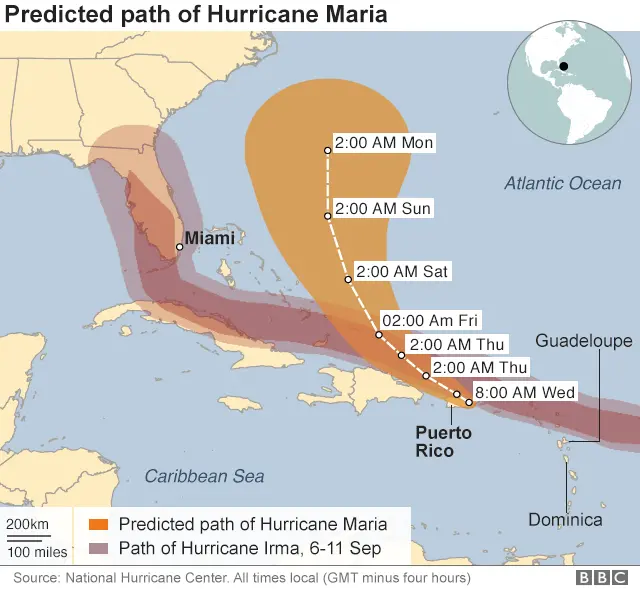
The question of “When did Puerto Rico Hurricane Maria hit?” leads us to a critical period in September 2017. The hurricane, a monstrous Category 5 storm at its peak, made landfall in Puerto Rico on Wednesday, September 20, 2017. It was a slow-moving but incredibly powerful force, unleashing torrential rains, destructive winds, and catastrophic flooding across the entire island. The sheer scale of the devastation was unprecedented in recent memory, leaving the vast majority of the island without power, communication, or access to clean water for extended periods.
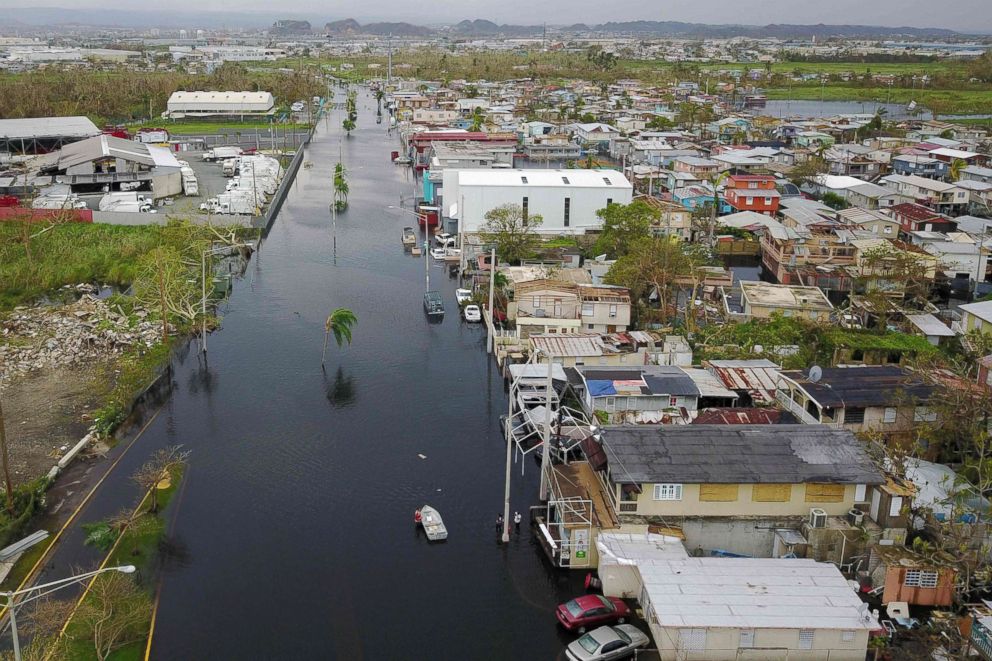
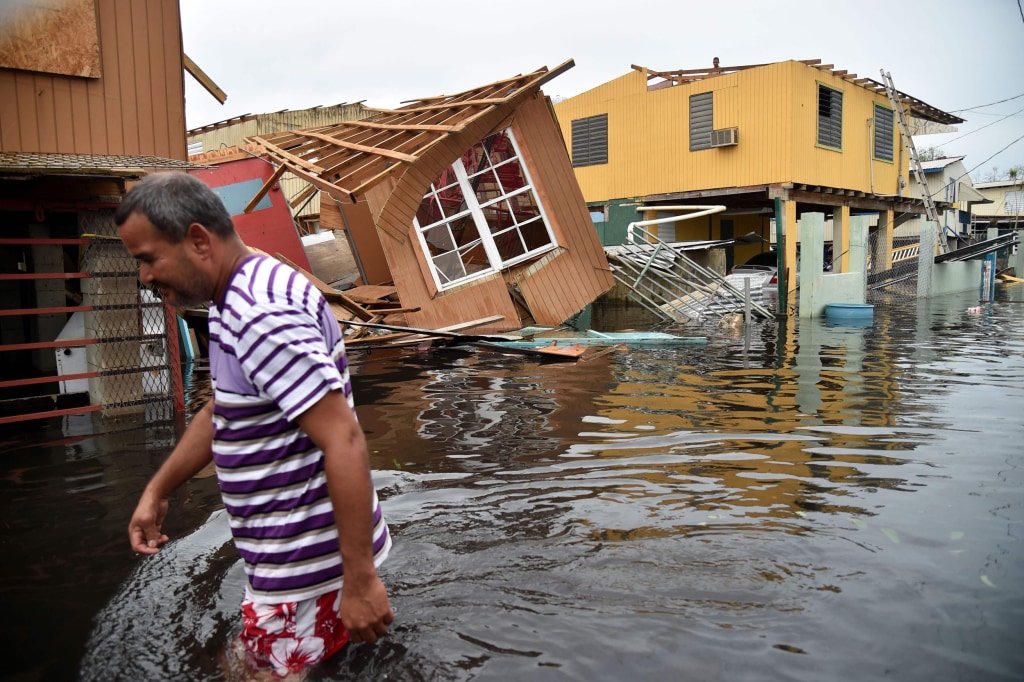
The immediate impact was dire. Entire communities were submerged, homes were flattened, and vital infrastructure, including roads, bridges, and the electrical grid, was severely damaged. The agriculture sector, a significant contributor to the local economy, suffered immense losses. Beyond the physical destruction, the human toll was profound, with the storm exacerbating existing vulnerabilities and creating new challenges for the island’s population. The recovery process has been long and arduous, marked by periods of immense hardship but also by inspiring displays of community solidarity and a determination to rebuild.
The Unfolding of the Disaster: Maria’s Path to Puerto Rico
Hurricane Maria’s journey from the Atlantic to the shores of Puerto Rico was a terrifyingly rapid escalation. The storm formed over the eastern Atlantic on September 16, 2017, and quickly intensified. Its trajectory was concerning from the outset, and as it approached the Lesser Antilles, it was already a powerful force. The first direct impacts were felt in islands like Dominica, where Maria caused catastrophic damage, serving as a grim precursor to what was to come for Puerto Rico.
The Landfall and Immediate Onslaught
On September 20th, Maria made landfall in southwestern Puerto Rico near Yabucoa as a Category 4 hurricane, with sustained winds of 155 mph. However, by the time it had moved across the island, it had essentially carved a path of destruction that spared no region. The winds tore through towns and cities, ripping roofs off buildings, downing power lines, and uprooting trees. The accompanying rainfall, in some areas exceeding 30 inches, led to widespread inland flooding and mudslides, further compounding the damage.
The impact on Puerto Rico’s already fragile electrical grid was absolute. Within hours of landfall, the entire island was plunged into darkness. This was not a temporary outage; it was a complete collapse of the power system, a situation that would persist for months in many areas. This loss of electricity had cascading effects, impacting everything from communication and water purification to refrigeration and the operation of hospitals and essential services.
The San Juan metropolitan area, a hub for tourism and commerce, also bore the brunt of the storm. Iconic landmarks and vibrant neighborhoods were battered by the wind and rain. The international airport, Luis Muñoz Marín International Airport, experienced significant damage, disrupting air travel and complicating relief efforts. Coastal communities were particularly vulnerable to the storm surge and high winds, with many beachfront properties and infrastructure sustaining severe damage.
The Lingering Shadows: Maria’s Impact on Tourism and Infrastructure
The long-term consequences of Hurricane Maria for Puerto Rico’s tourism industry and its critical infrastructure have been substantial. For an island heavily reliant on tourism as a source of revenue and employment, the devastation presented a significant setback. The damage to hotels, attractions, and transportation networks created an immediate challenge in welcoming visitors and facilitating travel.
Rebuilding the Foundations: Infrastructure and Recovery
The recovery of Puerto Rico’s infrastructure has been a monumental undertaking. The electrical grid, in particular, was a major focus, with efforts to restore power to all residents taking an extraordinarily long time. This slow restoration of electricity had a profound impact on daily life and the ability of businesses to operate. Water systems were also compromised, leading to widespread shortages of clean drinking water.
The rebuilding of roads and bridges was essential for facilitating the movement of goods, emergency services, and eventually, tourists. Many roads were impassable due to debris and damage, isolating communities and hindering relief efforts. The federal government, along with local authorities and non-governmental organizations, has been involved in extensive reconstruction projects. While significant progress has been made, the process has been a testament to the scale of the disaster and the challenges inherent in rebuilding on such a large scale.
Tourism’s Resilience and Renaissance
Despite the devastation, the spirit of Puerto Rico’s tourism industry has proven remarkably resilient. In the months and years following Hurricane Maria, there has been a concerted effort to reopen hotels, restore attractions, and welcome visitors back to the island. The beauty and allure of Puerto Rico, from its stunning beaches and lush rainforests to its rich history and vibrant culture, have remained undiminished.
Many hotels, including world-renowned establishments like the Caribe Hilton and the Dorado Beach, a Ritz-Carlton Reserve, sustained damage but quickly began the process of renovation and reopening. These efforts were crucial in signaling to the world that Puerto Rico was open for business and ready to host travelers once again. The island’s diverse attractions, from the historic Old San Juan with its colonial architecture and ancient forts like Castillo San Felipe del Morro and Castillo San Cristóbal, to the natural wonders of the El Yunque National Forest, have been central to its recovery.
The El Yunque National Forest, the only tropical rainforest in the U.S. National Forest System, was particularly hard-hit by the hurricane. Its reopening to visitors has been a symbol of the island’s natural regeneration and a testament to the ongoing conservation efforts. The forest’s unique biodiversity and breathtaking landscapes are a major draw for eco-tourists and nature lovers, and its recovery has been vital for the island’s eco-tourism offerings.
The tourism sector has actively worked to promote Puerto Rico as a safe and welcoming destination. Marketing campaigns and partnerships have highlighted the island’s recovery and its enduring appeal. Visitors returning to Puerto Rico have often been struck by the warmth of the people and their dedication to rebuilding their island. The experience of visiting Puerto Rico today is one of a nation that has weathered an immense storm and is emerging stronger, with a renewed sense of purpose and a vibrant spirit that continues to captivate travelers. The commitment to rebuilding has not only focused on infrastructure but also on enhancing the visitor experience, with renewed emphasis on sustainable tourism and supporting local communities.
The lessons learned from Hurricane Maria continue to inform preparedness and recovery strategies. The resilience of Puerto Rico in the face of such a catastrophic event is a powerful narrative, one that underscores the strength of its people and the enduring allure of its destinations. While the scars of the storm remain, they are testament to a journey of recovery, renewal, and a vibrant future for this captivating Caribbean island.
LifeOutOfTheBox is a participant in the Amazon Services LLC Associates Program, an affiliate advertising program designed to provide a means for sites to earn advertising fees by advertising and linking to Amazon.com. Amazon, the Amazon logo, AmazonSupply, and the AmazonSupply logo are trademarks of Amazon.com, Inc. or its affiliates. As an Amazon Associate we earn affiliate commissions from qualifying purchases.