
As the relentless sun beats down on the golden state, many residents and visitors alike are asking themselves: when will this intense heat wave in California finally break? The prolonged period of scorching temperatures has transformed bustling cities into shimmering mirages and prompted widespread concerns about safety, well-being, and the disruption of daily life. While the immediate focus is on surviving the current mercury-rising conditions, understanding the underlying meteorological patterns and forecasting the end of such extreme weather events is crucial for planning future activities and ensuring a comfortable experience when exploring this diverse state.

Understanding California’s Heat Waves
California is no stranger to heat waves, particularly during its long, dry summers. These periods of abnormally high temperatures are often driven by a complex interplay of atmospheric conditions. The most common culprit is the presence of a high-pressure system, often referred to as a “heat dome.” This dome traps warm air over a region, preventing cooler air from moving in and causing temperatures to climb steadily. Factors such as stagnant air masses, reduced cloud cover, and the influence of offshore winds, known as Santa Anas in Southern California, can further exacerbate the heat, leading to dangerously high readings.
The Role of Climate Change
While natural climate variability plays a significant role, the scientific consensus points to climate change as a major factor intensifying the frequency, duration, and severity of heat waves globally, including in California. Rising global average temperatures create a warmer baseline, meaning that even typical weather patterns can now result in more extreme heat events. This trend is particularly concerning for regions that are already prone to high temperatures, leading to increased risks of heat-related illnesses, wildfires, and strain on energy grids.
Forecasting the End of the Heat
Predicting the exact end date of a heat wave is a dynamic process. Meteorologists rely on sophisticated weather models that analyze vast amounts of atmospheric data. These models track the movement of pressure systems, jet streams, and other meteorological indicators to forecast temperature trends. The dissipation of a heat dome typically occurs when a stronger low-pressure system approaches, or when prevailing winds shift, bringing in cooler, moister air from the Pacific Ocean. For California, this often means a change in wind direction, allowing marine air to push inland, or a break in the atmospheric ridge that has been trapping the heat.
Impact on Travel and Tourism in California
The oppressive heat has a tangible impact on how travelers experience California. Outdoor activities that are typically highlights of a visit, such as hiking in Yosemite National Park or exploring the beaches of San Diego, may become uncomfortable or even dangerous. Many visitors opt to reschedule outdoor excursions to cooler parts of the day, focus on indoor attractions, or seek refuge in air-conditioned accommodations.
Adapting Travel Plans
For those already in California or planning a trip, adapting plans is key. This might involve:
- Prioritizing Indoor Attractions: Museums in Los Angeles, aquariums in San Francisco, and historical sites offer respite from the heat while still providing enriching experiences.
- Adjusting Outdoor Timings: If outdoor exploration is a must, early morning or late evening excursions are advisable. This is especially true for national parks where temperatures can soar to dangerous levels by midday.
- Seeking Water-Based Activities: Beaches, lakes, and rivers become prime destinations. Activities like swimming, kayaking, and paddleboarding offer a refreshing escape. Consider a visit to Lake Tahoe or a boat tour along the coast.
- Embracing the Culinary Scene: California’s renowned food scene offers plenty of opportunities to enjoy meals in air-conditioned restaurants, from farm-to-table eateries in wine country to diverse ethnic cuisines in its major cities.
Staying Connected for Updates
Keeping abreast of weather forecasts and local advisories is paramount. Many tourism boards and official state websites provide real-time updates on weather conditions and any potential travel disruptions or safety recommendations. For instance, during extreme heat, certain hiking trails or outdoor attractions might be temporarily closed to ensure public safety.
Accommodation and Heat Wave Survival
When the mercury rises, the importance of comfortable and reliable accommodation becomes acutely apparent. The choice of lodging can significantly influence a traveler’s experience during a heat wave.
Key Amenities to Look For
When booking a stay in California during warmer months, or when a heat wave is forecast, certain amenities become non-negotiable:

- Effective Air Conditioning: This is the most crucial amenity. Ensure the accommodation explicitly states it has well-functioning air conditioning in all guest rooms. Reviews can be a valuable resource for verifying the effectiveness of the A/C units.
- Swimming Pool: A pool offers a fantastic way to cool down during the day. Whether it’s an outdoor oasis or an indoor lap pool, access to a swimming facility can be a lifesaver. Resorts like The Beverly Hills Hotel or boutique hotels with charming courtyards often feature inviting pools.
- Shaded Outdoor Spaces: Even if you prefer to stay indoors, having access to a balcony, patio, or garden area that is shaded can allow you to enjoy the outdoors without direct sun exposure.
- Proximity to Cooler Environments: Consider accommodations located near the coast, where sea breezes can offer some relief, or in higher elevation areas, which tend to be naturally cooler than valleys or inland cities.
Types of Accommodation
Different types of lodging offer varying degrees of heat wave preparedness and comfort:
- Hotels and Resorts: These typically offer the most reliable climate control. Major hotel chains like Marriott or independent luxury resorts are generally equipped with robust A/C systems. Look for properties that highlight their cooling features in their descriptions. Many resorts also offer extensive pool facilities and shaded lounging areas.
- Vacation Rentals (Villas, Apartments): These can be an excellent option, especially for families or longer stays, offering more space and amenities like full kitchens. However, it’s essential to confirm that the rental has adequate air conditioning and that it is consistently maintained. Reading recent reviews is critical here. Some rentals in older buildings or more remote areas might not be as well-equipped for extreme heat.
- Bed & Breakfasts: While charming, B&Bs can vary greatly in their A/C capabilities. Some historic properties may not have central air, relying on portable units or fans. It’s vital to inquire directly about their cooling systems before booking.
Long-Term Stays and Heat Preparedness
For those planning extended stays, such as a month-long visit or a remote work assignment, heat wave preparedness is even more critical. Consider booking accommodations that offer consistent and powerful air conditioning. Look for properties with backup power generators, as heat waves can sometimes lead to power outages due to high demand on the grid. Understanding the local climate patterns for the duration of your stay and choosing an area known for slightly cooler temperatures can also be a wise strategy.
Essential Tips for Coping with California’s Heat
Beyond strategic travel planning and accommodation choices, personal preparedness is key to navigating a heat wave in California.
Staying Hydrated and Nourished
- Drink Plenty of Water: This cannot be stressed enough. Carry a reusable water bottle and sip frequently, even if you don’t feel thirsty. Electrolyte-rich drinks can also be beneficial.
- Eat Light Meals: Opt for fruits, vegetables, and salads that are high in water content. Avoid heavy, hot meals that can further increase your body temperature.
- Limit Alcohol and Caffeine: These can contribute to dehydration.
Protecting Yourself from the Sun
- Wear Light, Loose-Fitting Clothing: Natural fabrics like cotton and linen are best.
- Use Sunscreen: Apply a broad-spectrum sunscreen with an SPF of 30 or higher liberally and reapply every two hours.
- Wear a Hat and Sunglasses: Protect your face and eyes from direct sunlight.
- Seek Shade: Whenever possible, stay in the shade, especially during the hottest parts of the day (typically between 10 AM and 4 PM).
Recognizing and Responding to Heat-Related Illnesses
Familiarize yourself with the symptoms of heat exhaustion and heatstroke.
- Heat Exhaustion: Symptoms include heavy sweating, paleness, muscle cramps, fatigue, dizziness, headache, nausea, or vomiting. If you experience these, move to a cooler place, loosen clothing, apply cool, wet cloths to your body, and sip water.
- Heatstroke: This is a medical emergency. Symptoms include a high body temperature (103°F or higher), hot, red, dry, or damp skin, rapid, strong pulse, headache, dizziness, nausea, confusion, and unconsciousness. If you suspect heatstroke, call 911 immediately.
Keeping Your Accommodation Cool
- Close Curtains and Blinds: During the day, keep windows and doors shut and curtains or blinds drawn to block out the sun.
- Open Windows at Night: Once temperatures drop in the evening, open windows to let in cooler air.
- Use Fans: While fans don’t cool the air, they can help with air circulation and make you feel cooler through evaporation.
Staying Informed
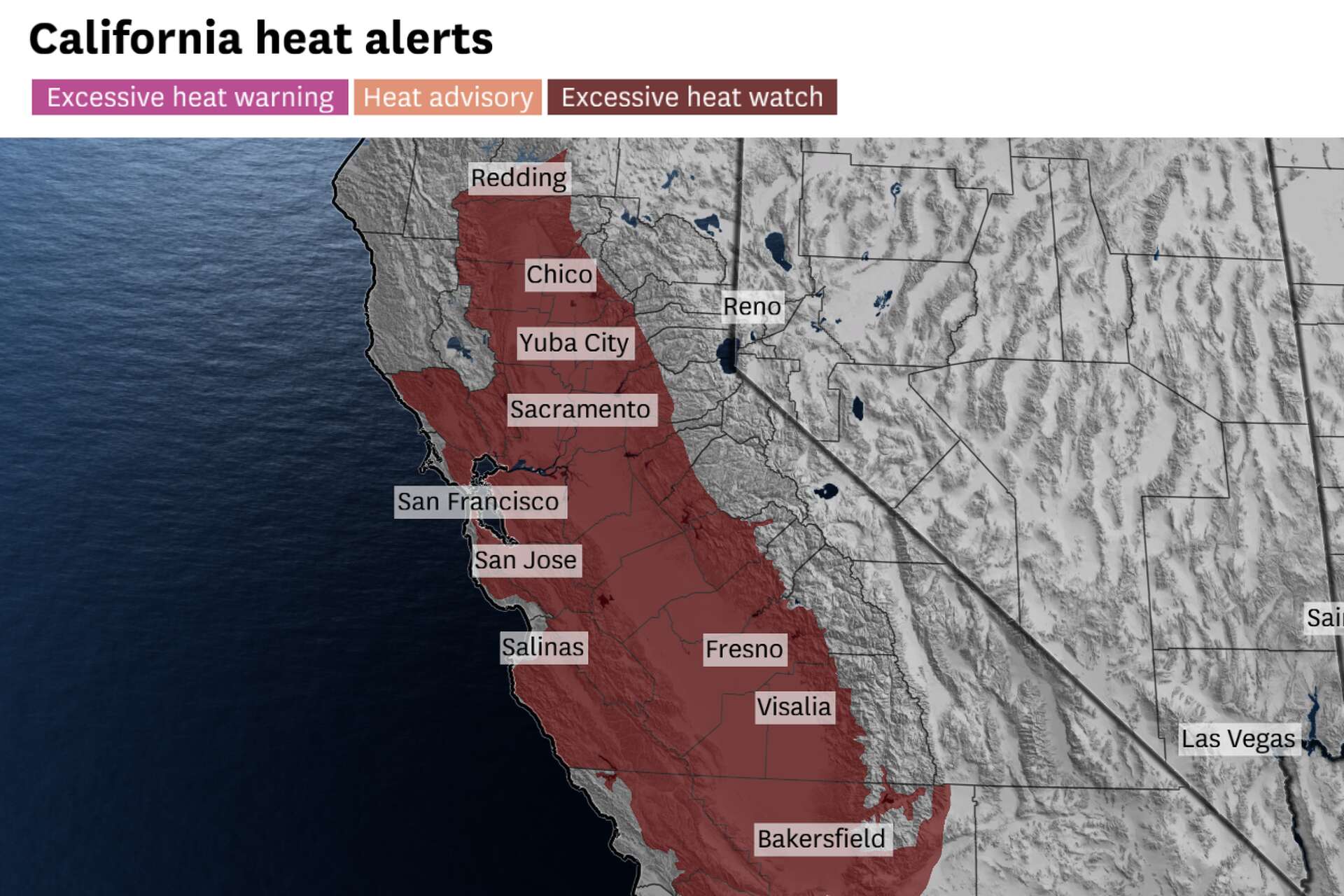
Continuously monitor weather forecasts from reliable sources. Pay attention to any local advisories or warnings issued by city or county officials, especially regarding air quality or extreme heat safety.
While the exact moment the heat wave breaks remains uncertain, by understanding the meteorological factors at play, adapting travel plans, selecting appropriate accommodations, and practicing diligent self-care, visitors and residents can better navigate and endure these challenging periods, ensuring that their experiences in the beautiful state of California remain enjoyable and safe, even under the hottest skies. The resilience of the human spirit, combined with careful planning and informed action, can turn what might seem like an insurmountable challenge into a manageable, albeit warm, chapter of a California adventure.
LifeOutOfTheBox is a participant in the Amazon Services LLC Associates Program, an affiliate advertising program designed to provide a means for sites to earn advertising fees by advertising and linking to Amazon.com. Amazon, the Amazon logo, AmazonSupply, and the AmazonSupply logo are trademarks of Amazon.com, Inc. or its affiliates. As an Amazon Associate we earn affiliate commissions from qualifying purchases.