
When considering a move, an extended stay, or even the long-term implications of travel in a particular region, understanding the local quality of life is paramount. Education, often overlooked in the allure of scenic beauty and vibrant culture, is a fundamental pillar of any community’s lifestyle. For those drawn to the sunny landscapes and unique charm of Arizona, the question of its educational standing is more than just an academic curiosity; it’s a critical factor influencing family decisions, career opportunities, and overall well-being. This article delves into Arizona’s educational landscape, examining its rankings and discussing how these impact the lifestyle choices of residents and prospective inhabitants.
The Current Educational Landscape: What the Numbers Say (and Don’t Say)
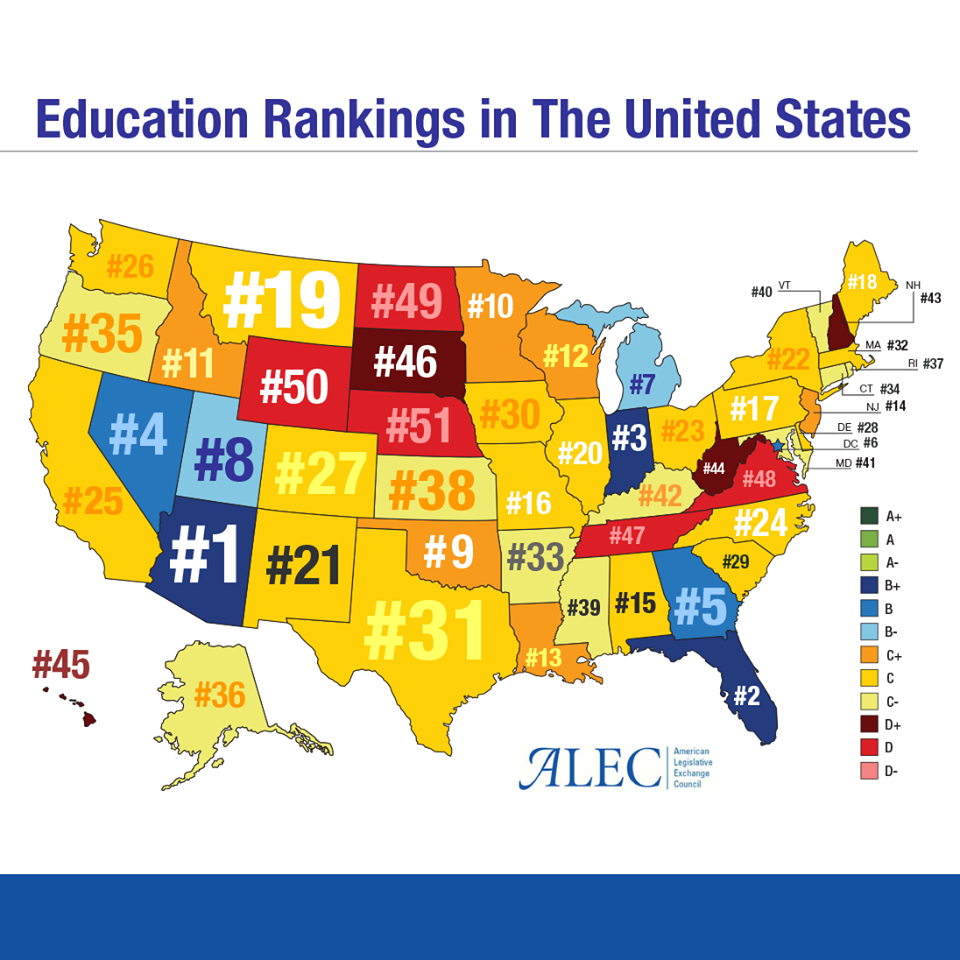
Arizona’s educational system is a complex tapestry, with strengths and challenges that contribute to its national standing. Various reports and ranking systems assess states based on metrics ranging from per-pupil spending and test scores to graduation rates and teacher salaries. These statistics paint a broad picture that informs perceptions about the state as a place to live and thrive.
K-12 Performance and Parental Choices
For families, the quality of kindergarten through twelfth grade (K-12) education is often a deciding factor when choosing where to settle. National rankings for Arizona’s K-12 system have historically shown a mixed performance. While some studies place the state in the middle to lower tiers nationally for overall educational outcomes, it’s crucial to acknowledge the pockets of excellence found within specific districts and charter schools. Many families actively research these high-performing institutions, making school district boundaries a significant consideration in their housing and lifestyle decisions, particularly in metropolitan areas like Phoenix and Tucson. The availability of school choice, including a robust charter school system, also plays a substantial role, offering diverse educational philosophies that cater to varied family lifestyles and preferences.
Post-Secondary Institutions and Their Lure
Beyond K-12, Arizona shines brightly in the realm of higher education. The state is home to world-renowned universities that consistently rank among the best nationally and internationally. Institutions like Arizona State University in Tempe, the University of Arizona in Tucson, and Northern Arizona University in Flagstaff attract students from across the globe. These universities not only contribute to Arizona’s intellectual capital but also serve as significant economic engines, fostering innovation and creating a vibrant, educated populace. For young professionals and academics, the presence of these institutions directly shapes their lifestyle options, offering opportunities for advanced learning, research, and career development within the state.
Education as a Cornerstone for Family Lifestyle Decisions
The decision of where to raise a family is profoundly influenced by the perception and reality of educational quality. In Arizona, the state’s educational ranking is intrinsically linked to the lifestyle choices families make, from residential location to long-term community engagement.
Attracting and Retaining Talent: The Family Equation
A state’s educational environment is a key determinant in its ability to attract and retain skilled professionals. For individuals and families considering relocation for career opportunities, the quality of schools for their children is often prioritized alongside job prospects and salary. A perceived strong educational system can enhance Arizona’s appeal to talented individuals, contributing to a more dynamic and prosperous lifestyle for all residents. Conversely, concerns about school performance can deter some families, leading them to choose states with higher educational rankings, even if Arizona offers other lifestyle advantages like its climate or lower cost of living. This interplay highlights how education directly impacts demographic shifts and the overall fabric of the state’s communities.
Community Vibrancy and School Quality
The quality of local schools is often a barometer for the overall health and vibrancy of a community. Strong schools tend to correlate with engaged parent communities, local investment, and a greater sense of collective well-being. In Arizona, communities that boast high-ranking schools often exhibit more robust local economies, better public services, and a more active social scene, all of which contribute to a desirable lifestyle. These areas frequently see higher property values and increased demand, reflecting residents’ willingness to invest in a lifestyle that prioritizes educational excellence. For those planning a family trip or considering a more permanent stay, exploring communities with strong school systems can offer a glimpse into a more stable and enriching lifestyle.
Economic Prosperity and Lifestyle: The Education-Job Market Connection
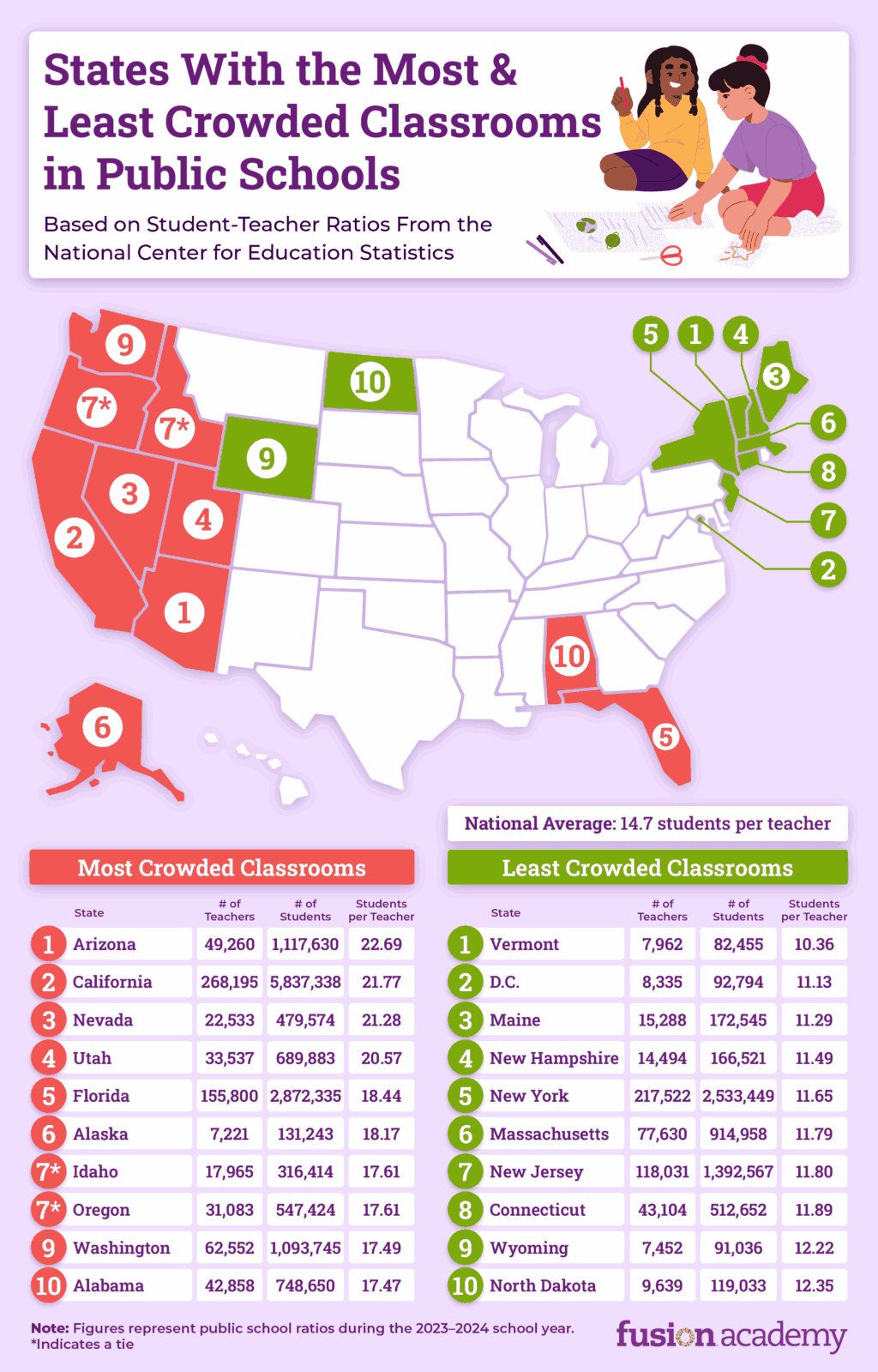
Education is not merely about academic achievement; it is a powerful driver of economic prosperity, which in turn profoundly shapes the lifestyle available to a state’s residents. Arizona’s educational rankings directly influence its job market, innovation capacity, and overall economic vitality.
Fostering Innovation and Entrepreneurship
A well-educated populace is the bedrock of innovation and entrepreneurship. Higher education institutions in Arizona, particularly those engaged in cutting-edge research, serve as incubators for new ideas and technologies. This intellectual capital translates into a dynamic business environment, attracting tech companies, startups, and advanced manufacturing firms. For residents, this means a wider array of high-paying jobs, diversified career paths, and a lifestyle that supports continuous learning and professional growth. The presence of a skilled workforce, cultivated through robust educational systems, is essential for Arizona to compete in the global economy and offer a high-quality lifestyle to its citizens.
Workforce Development and Future Prospects
The alignment between educational output and workforce needs is crucial for a thriving economy. Arizona’s educational system, from vocational training to university degrees, plays a vital role in preparing residents for the demands of the modern job market. When educational institutions effectively train students for in-demand industries like aerospace, healthcare, and renewable energy, it creates a virtuous cycle: businesses thrive, more jobs become available, and residents experience greater economic stability and an improved quality of life. An educational system that consistently produces a capable workforce ensures future prospects for individuals and contributes to an overall lifestyle characterized by opportunity and advancement.
The Higher Education Advantage: Shaping Arizona’s Intellectual Lifestyle
Arizona’s most significant educational asset arguably lies in its world-class higher education system. The impact of its universities extends far beyond the classroom, shaping the intellectual, cultural, and social fabric of the state, thereby enriching the lifestyle of its inhabitants.
World-Class Universities and Research
The flagship universities in Arizona are not just places of learning; they are global centers of research and innovation. Institutions like Arizona State University, often recognized for its innovation and sustainability efforts, and the University of Arizona, renowned for its space exploration and medical research, attract top faculty and students. This concentration of intellectual talent fosters an environment of discovery and critical thinking. For residents, this translates into access to public lectures, cultural events, cutting-edge medical facilities, and a general atmosphere of intellectual engagement that enhances their lifestyle. The proximity to such esteemed institutions adds a layer of sophistication and opportunity to daily life.
Beyond the Classroom: Cultural and Social Impact
Universities are often cultural hubs, and Arizona’s institutions are no exception. They host a myriad of arts performances, sporting events, and community outreach programs that enrich the social and cultural lifestyle of the surrounding areas. From NCAA sporting events drawing national attention to art exhibitions and theatrical productions, these activities provide entertainment and intellectual stimulation. Furthermore, university hospitals and clinics offer advanced healthcare services, impacting the health and well-being components of lifestyle. The vibrant student populations also contribute to a dynamic social scene, particularly in cities like Tempe, Tucson, and Flagstaff, where the university presence is profoundly felt.
Looking Ahead: Initiatives and the Future of Arizona’s Lifestyle
Understanding Arizona’s current educational standing is only part of the picture. The state is actively engaged in various initiatives aimed at improving its educational outcomes, which will inevitably shape the future lifestyle of its residents. These efforts demonstrate a commitment to enhancing the quality of life through educational advancement.
State-Led Reforms and Funding
Recognizing the need for improvement, Arizona has undertaken several state-led reforms and increased funding initiatives aimed at boosting K-12 performance, attracting and retaining quality teachers, and improving per-pupil spending. These strategic investments are designed to lift overall rankings, which in turn will enhance the state’s appeal to families and businesses. For residents, these reforms promise better educational opportunities for their children, potentially reducing the need to seek private schooling or relocate to other areas. This long-term commitment to education is an investment in a more desirable and sustainable lifestyle for all Arizonans.
The Role of Community and Private Partnerships
Beyond state efforts, robust community and private partnerships play a crucial role in enhancing Arizona’s educational landscape. Local businesses, philanthropic organizations, and community groups often provide supplementary funding, mentorship programs, and resources to schools, particularly in underserved areas. These partnerships foster a collective responsibility for educational success, integrating schools more deeply into the fabric of the community. Such collaborations strengthen the social capital of Arizona, leading to more resilient communities and a richer, more supportive lifestyle for families and individuals. The synergistic efforts of government, private sector, and community organizations are vital for shaping a future where Arizona’s educational ranking reflects a high quality of life for everyone.
LifeOutOfTheBox is a participant in the Amazon Services LLC Associates Program, an affiliate advertising program designed to provide a means for sites to earn advertising fees by advertising and linking to Amazon.com. Amazon, the Amazon logo, AmazonSupply, and the AmazonSupply logo are trademarks of Amazon.com, Inc. or its affiliates. As an Amazon Associate we earn affiliate commissions from qualifying purchases.