
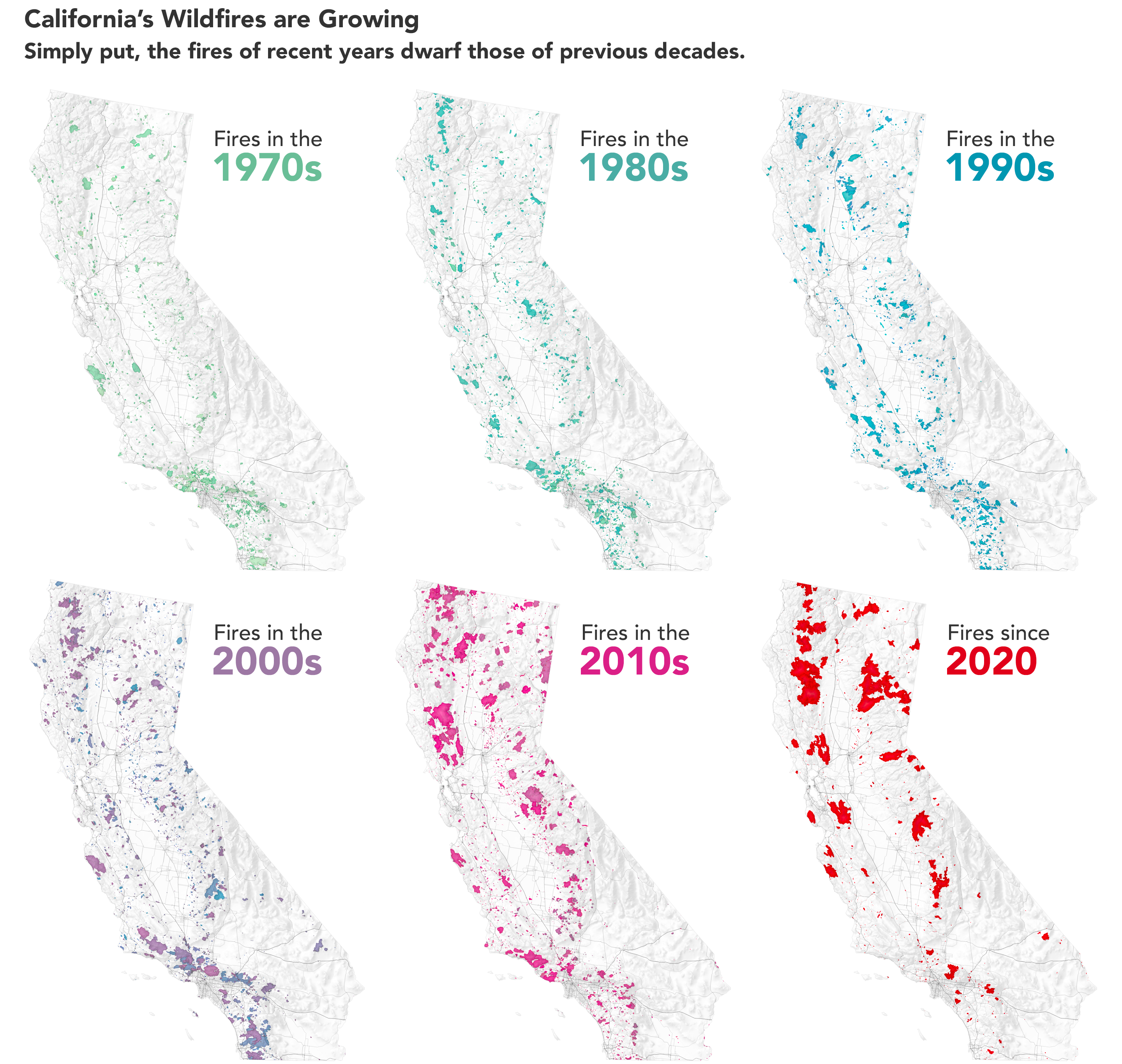
The image of raging wildfires consuming vast swathes of land has, unfortunately, become an annual and often devastating hallmark of California. For both residents and prospective travelers, understanding the complex reasons behind this persistent challenge is crucial. While the sight of smoke plumes or news of evacuations might deter some, a deeper insight reveals a state grappling with a unique set of environmental, geographical, and human factors. For those planning a journey to the Golden State, comprehending these elements isn’t just about curiosity; it’s essential for safe, informed, and enjoyable travel experiences, allowing you to navigate its beauty responsibly.

Unraveling California’s Unique Fire Landscape for Travelers
California’s inherent predisposition to wildfires is not a recent phenomenon, but rather a confluence of natural conditions amplified by modern challenges. Travelers seeking to explore the state’s diverse landscapes, from its majestic national parks to its sprawling vineyards, benefit from understanding this intricate backdrop.
The Environmental Tapestry
At the heart of California’s fire susceptibility lies its distinctive Mediterranean climate. Characterized by long, hot, and exceedingly dry summers, this climate creates an environment perfectly primed for ignition. Winter rains, when they arrive, foster the growth of abundant vegetation—grasses, shrubs, and trees—which then dry out and become highly combustible fuel during the summer and autumn months. The state is covered in vast expanses of chaparral and scrubland, particularly in its southern regions, which are naturally fire-adapted but also incredibly flammable. For the discerning traveler, recognizing these natural cycles means appreciating the lush spring blooms before they transform into the tinder of late summer. Understanding that areas can transition from verdant green to golden brown is key to appreciating the state’s natural beauty and its inherent risks.
Human Factors and the Wildland-Urban Interface
While nature provides the fuel, human activity often provides the spark. A significant percentage of wildfires in California are initiated by human causes, whether accidentally or intentionally. This includes faulty power lines, neglected campfires, sparks from equipment, discarded cigarettes, and even arson. The expanding Wildland-Urban Interface (WUI)—where human development directly borders or intermingles with wildland vegetation—dramatically increases the risk. As more homes, resorts, and infrastructure push into these once-undeveloped areas, the probability of human-caused ignitions rises, and the potential for damage to property and lives escalates. Travelers choosing accommodations or activities in these picturesque, yet vulnerable, fringe areas should be acutely aware of fire safety protocols, especially regarding outdoor cooking, vehicle parking on dry grass, and respecting fire bans.
Climate Change as an Accelerant
Undoubtedly, climate change plays a critical role in exacerbating California’s fire problem. Rising global temperatures contribute to more intense and prolonged droughts, which in turn dry out vegetation more thoroughly and for longer periods. This creates an even greater fuel load and extends the fire season, making what was once a seasonal threat into a year-round concern in some areas. Furthermore, extreme weather events, like strong, dry winds (such as the Santa Ana winds in Southern California and the Diablo winds in the north), become more frequent and powerful, fanning small fires into infernos with astonishing speed. For travelers, this translates into a need for greater vigilance and flexibility in their plans, as fire conditions can change rapidly and unpredictably, making real-time information paramount.
Navigating Travel in California’s Fire Seasons
While fires are an unfortunate reality, they do not render California untraversable. With proper planning, awareness, and flexibility, travelers can still enjoy the state’s myriad attractions while minimizing risk.
Pre-Trip Planning and Flexibility
The cornerstone of safe travel during fire season (typically late spring through autumn, though increasingly year-round) is thorough pre-trip planning. Before embarking on your California adventure, consult official sources like Cal Fire (California Department of Forestry and Fire Protection), national park websites, and local emergency services for current fire activity and air quality alerts. Websites like Caltrans provide real-time updates on road closures. Be prepared to adjust your itinerary, as a planned hiking trip might need to become a museum visit, or a drive through a scenic canyon might require an alternative route. Purchasing travel insurance that covers fire-related disruptions (evacuations, cancellations) is a wise investment, providing peace of mind and financial protection should your plans be impacted.
Understanding Air Quality Impacts
Wildfires don’t just affect the immediate vicinity; smoke can travel hundreds of miles, significantly impacting air quality in distant regions. Even if a fire is far from your destination, poor air quality can make outdoor activities uncomfortable or even dangerous, particularly for individuals with respiratory conditions. Websites like AirNow.gov provide real-time air quality maps and forecasts. Travelers should monitor these reports closely and be prepared to modify outdoor plans, opting for indoor attractions or less strenuous activities on days with high particulate matter. Prioritizing health by avoiding smoky areas is crucial for an enjoyable trip.
Evacuation Preparedness for Visitors
While rare for tourists, being aware of evacuation procedures is essential, especially when staying in more remote or WUI-adjacent areas. Upon arrival at your accommodation, familiarize yourself with exit routes and local emergency plans. Sign up for local alert systems (many communities use systems like Nixle for text or email alerts) to receive immediate notifications. Keep your phone charged and a “go bag” ready with essentials like important documents, medications, and a change of clothes. If an evacuation order is issued for your area, comply immediately and follow instructions from authorities. Understanding these protocols is not about fearing the worst, but about being prepared and ensuring your safety.
The Impact on Iconic California Destinations and Experiences
California’s natural beauty and cultural landmarks draw millions annually. Wildfires inevitably pose a threat to these cherished places, but also highlight the resilience of both nature and community.
National Parks and Wilderness Areas
Many of California’s crown jewels are its national parks and vast wilderness areas, such as Yosemite National Park, Sequoia National Park, King Canyon National Park, the iconic coastal stretch of Big Sur, and the majestic Lake Tahoe region. These areas are frequently impacted by fires, leading to trail closures, campground evacuations, and even full park closures for safety. While destructive, fire is also a natural, albeit intense, part of many forest ecosystems, facilitating regeneration. For travelers, this means always checking park service websites for the latest conditions, fire restrictions, and any area closures. Flexibility to pivot to alternative activities or destinations, or to reschedule visits, is vital to avoid disappointment and ensure safety.
Coastal Escapes and Wine Country
Even areas not directly in the path of flames can feel the ripple effects of wildfires. California’s renowned wine regions like Napa Valley and Sonoma County, or popular coastal towns along Highway 1, might experience decreased tourism due to perceived risks or lingering smoke, even if physically untouched. The wine industry, in particular, faces unique challenges from “smoke taint” impacting grape harvests. However, these communities are incredibly resilient, often bouncing back quickly once immediate threats subside. Travelers visiting during or after fire season can often find excellent opportunities to support local businesses, from wineries to restaurants and shops, helping these vibrant economies recover.
Resilience and Rebuilding
The stories of communities rebuilding and natural landscapes regenerating after fires are testaments to California’s enduring spirit. While recovery can take years, especially for old-growth forests, many areas demonstrate remarkable resilience. For instance, new growth often sprouts from scorched earth, and fire-adapted plants thrive. Visiting fire-affected areas once they are deemed safe not only allows travelers to witness this regeneration firsthand but also directly supports local economies striving to recover. Engaging with local guides or businesses can offer unique perspectives on the fire’s impact and the community’s determination.
Responsible Travel and Supporting California
Responsible tourism plays a crucial role in mitigating fire risks and aiding in the state’s recovery efforts. By being informed and respectful, travelers can be part of the solution.
Supporting Local Economies
One of the most impactful ways travelers can help California is by continuing to visit and spend money in areas that are open, safe, and welcoming. When fire threats recede, local businesses—hotels, restaurants, tour operators, and shops—often struggle with reduced tourism. By choosing to visit, even if it means adjusting your itinerary slightly to avoid directly affected zones, you inject much-needed revenue into these communities, helping them rebuild and sustain their livelihoods. Researching which areas are open for business and planning a trip accordingly can make a significant positive difference.
Adhering to Regulations and Leave No Trace Principles
Preventing human-caused fires is paramount. Travelers must strictly adhere to all fire restrictions, which often include bans on campfires, charcoal grills, and even certain types of outdoor cooking appliances, especially in national forests and parks. Always check local regulations before engaging in any activity that could spark a flame. Practice Leave No Trace principles rigorously: pack out everything you pack in, properly dispose of cigarette butts in designated receptacles (never on the ground), and ensure any campfires (when permitted) are completely extinguished and cold to the touch before leaving. Respecting road and area closures is also vital, as these are put in place for safety reasons and to allow emergency services to work unimpeded.

Staying Informed and Respecting Local Expertise
The most valuable resource for travelers in fire-prone regions is accurate, up-to-date information and the wisdom of local experts. Don’t rely solely on social media or outdated news. Consult official government websites, park ranger stations, and local visitor centers. Engage with residents and ask for their advice; they often have the most current insights into local conditions and safety protocols. Respecting the guidance of park rangers, firefighters, and local authorities is not just a matter of compliance but a critical component of ensuring your own safety and contributing to the overall well-being of the communities you visit.
While California’s fires present a serious challenge, they also underscore the state’s wild beauty and the resilience of its people. By understanding the “why” behind the fires and adopting a mindset of informed, responsible travel, visitors can continue to explore and enjoy the unparalleled experiences the Golden State has to offer, contributing positively to its future.
LifeOutOfTheBox is a participant in the Amazon Services LLC Associates Program, an affiliate advertising program designed to provide a means for sites to earn advertising fees by advertising and linking to Amazon.com. Amazon, the Amazon logo, AmazonSupply, and the AmazonSupply logo are trademarks of Amazon.com, Inc. or its affiliates. As an Amazon Associate we earn affiliate commissions from qualifying purchases.