
Nestled in a serene valley embraced by the Topatopa Mountains, Ojai, California is a captivating destination that offers a unique blend of natural beauty, artistic charm, and spiritual tranquility. Often described as an “enchanting oasis,” this small city in Ventura County has a distinct identity that draws visitors seeking an escape from the ordinary. Understanding its geographical placement is the first step to unlocking the experiences it holds.
Geographical Context: A Hidden Gem in Southern California
Ojai is located in the Ojai Valley, approximately 75 miles northwest of Los Angeles and 30 miles east of the Pacific Ocean. This positioning is crucial to its appeal. The valley is oriented east-west, a rarity in California, which contributes to its distinctive microclimate and the famed “Pink Moment” phenomenon.

Proximity to Major Hubs and Coastal Access
While feeling worlds away, Ojai is surprisingly accessible. Its proximity to Los Angeles makes it a convenient weekend getaway for city dwellers, offering a refreshing contrast to the urban bustle. Travelers flying into Los Angeles International Airport (LAX) or Hollywood Burbank Airport (BUR) can reach Ojai via a scenic drive of about 1.5 to 2 hours.
For those who prefer coastal breezes, the drive to the coast is short. Popular beach towns like Ventura and Malibu are within easy reach, offering a delightful combination of valley tranquility and ocean proximity. This dual access allows visitors to tailor their trips, perhaps enjoying a morning hike in the mountains followed by an afternoon by the sea.
The Ojai Valley: A Distinctive Landscape
The Ojai Valley itself is a geographical marvel. It is bordered by the Los Padres National Forest, providing a stunning backdrop of rugged mountains. The valley floor is a tapestry of citrus groves, vineyards, olive orchards, and equestrian ranches, interspersed with the charming streets of Ojai town and its surrounding hamlets.
The most striking geographical feature is the Topatopa Mountains, particularly the prominent peaks known as the “Grandmother” and “Grandfather.” These mountains play a significant role in the valley’s unique atmospheric conditions, most notably the ethereal “Pink Moment.” As the sun sets, light refracts through the atmosphere, bathing the mountain peaks in a breathtaking rosy glow. This natural spectacle is a defining characteristic of the Ojai experience and a testament to its idyllic setting.
Navigating Ojai: Understanding Its Layout and Accessibility
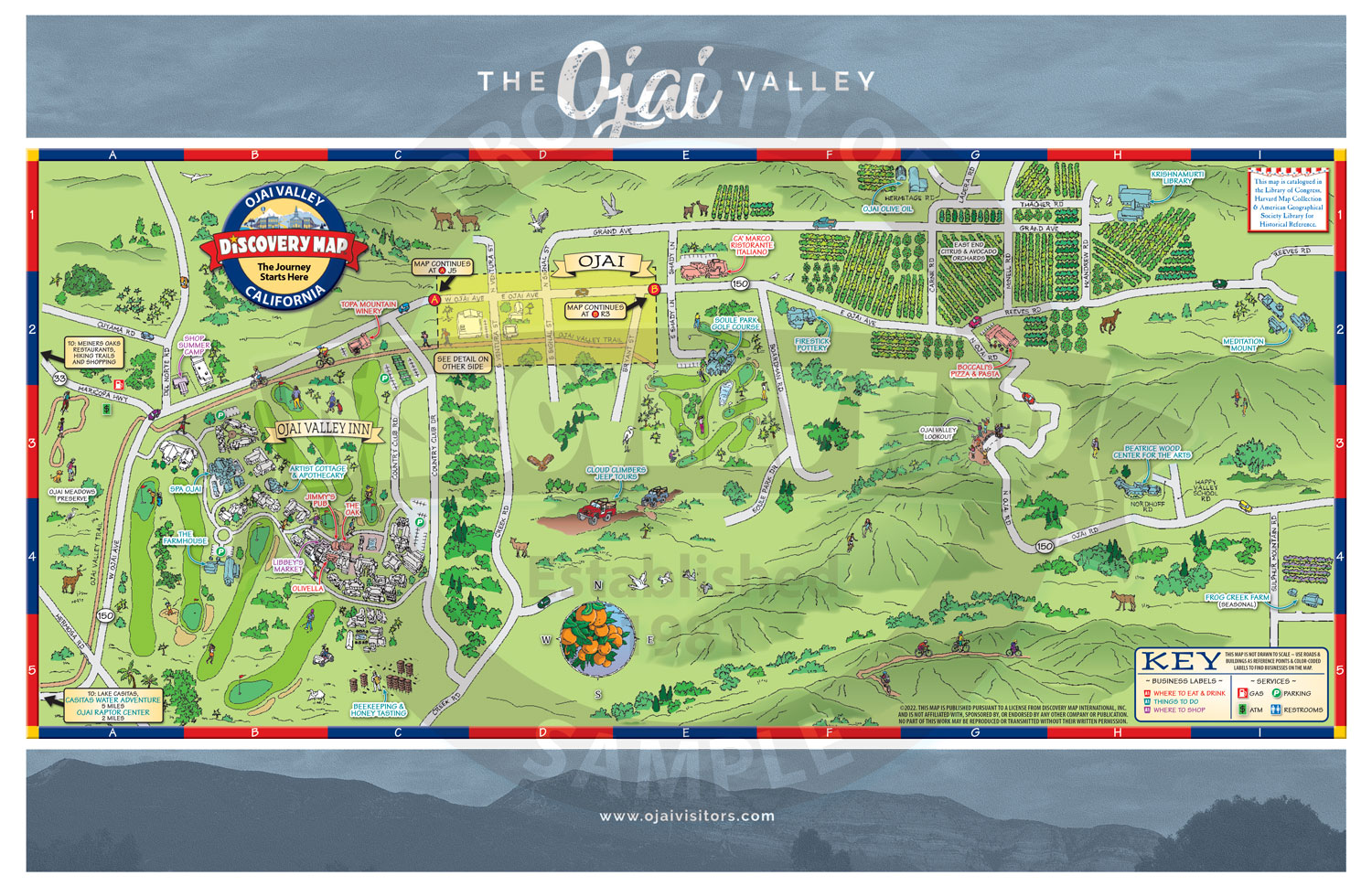
Once you know where Ojai, California is on the map, understanding its layout will enhance your visit. The city of Ojai itself is relatively compact, making it easy to explore on foot or by bicycle, especially in the downtown area.
The Heart of Ojai: Downtown and Its Environs
The central hub of Ojai is its charming downtown, often referred to as “The Arcade.” This Spanish-style marketplace, with its distinctive colonnades, is home to a curated selection of boutiques, art galleries, bookstores, and cafes. Many of the town’s primary attractions, including the famous Bart’s Books, an outdoor bookstore, are located within walking distance of each other.
Beyond the immediate downtown area, Ojai sprawls gently into surrounding neighborhoods. These areas feature residential homes, more expansive estates, and numerous wellness retreats and hotels. Accessing these requires a car, but distances are generally short.
Key Roads and Transportation
The main artery through the Ojai Valley is Highway 150, which runs east-west, connecting the city of Ojai to the coastal towns of Carpinteria and Santa Barbara to the west, and extending inland towards Santa Paula to the east. Highway 33 is another crucial route, leading north into the Los Padres National Forest and offering access to hiking trails and scenic vistas.

While public transportation options within the Ojai Valley are limited, visitors can find ride-sharing services or taxis for local transport. For those wishing to explore the wider region or take day trips, renting a car is highly recommended. Many visitors also opt to rent bicycles to explore the town and its immediate surroundings, taking advantage of the often-gentle terrain and dedicated bike paths.
Ojai’s Place in the Cultural and Natural Landscape
Ojai, California is more than just its geographical coordinates; it’s a place with a distinct cultural and natural identity that influences its positioning on any map of desirable travel destinations. Its unique atmosphere has attracted artists, writers, and spiritual seekers for decades, fostering a vibrant community and a tranquil ambiance.
A Haven for Artists and Wellness Enthusiasts
The valley’s natural beauty and peaceful environment have long been a draw for creative individuals. This artistic spirit is evident in the numerous galleries, studios, and craft shops scattered throughout Ojai. The annual Ojai Music Festival is a renowned event that attracts world-class musicians and audiences, further cementing the town’s reputation as a cultural hub.
Furthermore, Ojai has cultivated a reputation as a sanctuary for wellness and spiritual exploration. The valley is dotted with yoga studios, meditation centers, and holistic health practitioners. This focus on well-being is deeply ingrained in the town’s ethos, offering visitors a chance to rejuvenate and reconnect with themselves.
The “Pink Moment” and Natural Wonders
The “Pink Moment,” a daily natural spectacle caused by the way sunlight interacts with the valley’s atmosphere and the surrounding mountains, is a defining feature of the Ojai experience. This fleeting, yet breathtaking, display of color is a powerful reminder of the natural artistry present in the valley.
Beyond the “Pink Moment,” the Ojai Valley offers abundant natural attractions. The Ojai Meadows Preserve provides opportunities for birdwatching and nature walks, while the trails in the Los Padres National Forest cater to hikers and outdoor adventurers, offering panoramic views of the valley and beyond. The Ojai Valley Trail also provides a paved path for biking and walking, connecting various parts of the valley.
Planning Your Visit to Ojai
Understanding where Ojai, California is located geographically is the foundation for planning an unforgettable trip. Its accessibility, charming layout, and unique cultural and natural offerings make it a prime destination for those seeking a tranquil and enriching travel experience.
Best Times to Visit
Ojai enjoys pleasant weather for most of the year, thanks to its Mediterranean climate. Spring (March-May) and Fall (September-November) are particularly ideal, with warm, sunny days and comfortable evenings, perfect for exploring the outdoors and enjoying the “Pink Moment.” Summers (June-August) can be quite warm, making early mornings and late evenings the best times for outdoor activities, while the coast offers a cooler alternative. Winters (December-February) are mild and can bring occasional rain, which greens the valley and offers a peaceful, introspective atmosphere.
Getting There and Getting Around
As previously mentioned, Ojai is most easily reached by car. From Los Angeles, take Highway 101 North to Highway 33 North, or Highway 101 North to Highway 150 East. From the north, take Highway 101 South to Highway 150 East. Once in the Ojai Valley, a car is recommended for exploring beyond the immediate downtown area. However, the town center is very walkable, and many visitors enjoy the relaxed pace of exploring by bike.
Accommodations and Experiences
Ojai offers a range of accommodations, from luxurious boutique hotels and charming inns to rustic guesthouses and vacation rentals. Many properties are designed to enhance the tranquil atmosphere of the valley, offering spa services, organic dining, and breathtaking views. Popular choices include the Ojai Valley Inn and The Capri Hotel.
Beyond simply finding a place to stay, the real magic of Ojai lies in its experiences. Indulge in wine tasting at local vineyards, explore the farmer’s markets for fresh produce, take a cooking class, visit the historic Ojai Playhouse, or simply find a quiet spot to watch the sunset paint the Topatopa Mountains with vibrant colors. Its location on the map is just the beginning of a journey into a truly special destination.
LifeOutOfTheBox is a participant in the Amazon Services LLC Associates Program, an affiliate advertising program designed to provide a means for sites to earn advertising fees by advertising and linking to Amazon.com. Amazon, the Amazon logo, AmazonSupply, and the AmazonSupply logo are trademarks of Amazon.com, Inc. or its affiliates. As an Amazon Associate we earn affiliate commissions from qualifying purchases.