
The intersection of high-stakes competition and luxury hospitality has recently found a new home in the hearts of viewers across the United States and beyond. The premiere season of Last Bite Hotel on the Food Network offered a refreshing take on the culinary competition genre by blending the urgency of a professional kitchen with the claustrophobic elegance of a boutique hotel stay. As the season concluded, the question of who won the Last Bite Hotel became a trending topic for foodies and travel enthusiasts alike.

Winning this competition required more than just the ability to sear a scallop or balance a sauce; it required the resourcefulness of a seasoned traveler and the grit of a master chef. The winner, Britt Rescigno, emerged as a titan of the kitchen, proving that even with limited resources in a high-pressure environment, culinary excellence can flourish.
The Journey to the Finale: A High-Stakes Hospitality Challenge
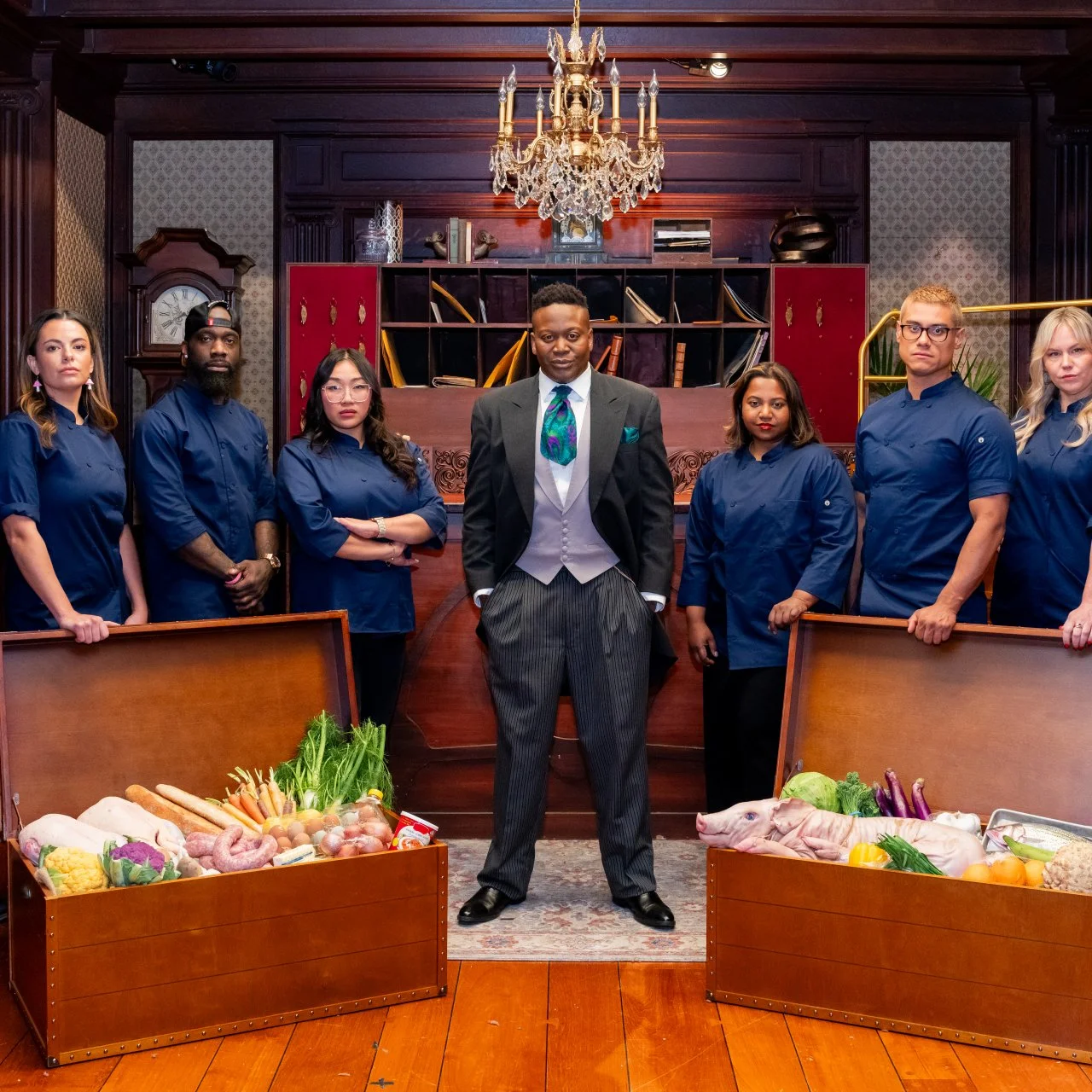
The premise of the Last Bite Hotel was simple yet grueling. Hosted by the charismatic Tituss Burgess, the show invited eight elite chefs to a mysterious, secluded hotel. Each chef arrived with a single trunk containing thirteen ingredients of their choice—and those ingredients had to last for the duration of their stay. This unique “pantry management” aspect mirrors the lifestyle of luxury travel, where one must often curate a high-end experience out of a limited suitcase.
The Concept of the Last Bite Hotel
Unlike traditional cooking competitions where a massive pantry is available at the wave of a hand, the Last Bite Hotel challenged the lifestyle habits of its contestants. They had to navigate the hotel’s amenities and survive the “check-out” process at the end of each episode. The hotel itself acted as a character, with its grand dining rooms and dimly lit corridors providing an atmospheric backdrop reminiscent of a classic mystery novel set in England or the Pacific Northwest.
The contestants were not just competitors; they were guests. They had to balance their professional output with the psychological toll of being “locked in” a luxury environment where their next meal—and their survival in the game—depended entirely on what they had brought with them. This dynamic brought a level of tension rarely seen in culinary television, highlighting the importance of foresight and strategic planning.
The Rules of the Stay
Every night, Tituss Burgess would present a challenge that tested the chefs’ ability to adapt. For those who enjoy the lifestyle of fine dining and luxury stays, the challenges were a fascinating look into how chefs think when their back is against the wall. Whether it was creating a five-star breakfast with minimal eggs or a gala-worthy dinner using only preserved goods, the “Last Bite” wasn’t just about the food; it was about the legacy the chef left behind in the hotel’s kitchen.
The eliminations were framed as “checking out.” When a chef’s culinary performance failed to impress the rotating panel of judges, they were forced to pack their bags and leave the Last Bite Hotel. By the time the finale arrived, only two chefs remained: Britt Rescigno and Avery Hill.
The Winner of Last Bite Hotel: Culinary Excellence in a Luxury Setting
The finale was a masterclass in culinary narrative. Britt Rescigno, a chef known for her incredible run on other high-profile shows in California and across the nation, brought a level of intensity and emotional intelligence to the kitchen that was hard to beat. Her journey throughout the season was defined by her ability to stretch her ingredients without compromising on the boldness of her flavors.
Crowned Champion: Britt Rescigno
In the final episode, the pressure reached its peak. Britt Rescigno faced off against Avery Hill in a multi-course battle that required them to use the very last of their trunks. While Avery Hill showed immense talent and a flair for modern techniques, Britt Rescigno managed to tap into something deeper. She treated the final meal as a farewell to the hotel, crafting a story through her plates that resonated with the judges.
Her victory wasn’t just a win for her resume; it was a testament to the lifestyle of a professional chef who understands that hospitality is about the feeling a guest has when they take that final bite. By winning Last Bite Hotel, Britt Rescigno solidified her place as one of the most formidable competitors in the modern culinary scene.
The Winning Strategy and Final Dish
Britt Rescigno utilized a strategy of “controlled aggression.” She knew when to take risks with her limited ingredients and when to play it safe by focusing on perfect execution. Her final dishes, which drew inspiration from her roots and her travels through Italy, showcased a sophisticated palate. The judges praised her for her “resourceful luxury”—a term that perfectly encapsulates the theme of the show.
Avery Hill, while a worthy runner-up, found himself slightly hampered by the depletion of his more versatile ingredients. This highlight of the show’s format reminded viewers that in the world of luxury hospitality and travel, being prepared for the long haul is just as important as the initial presentation.
Luxury Amenities and the Backdrop of the Competition
One cannot discuss who won Last Bite Hotel without discussing the environment that shaped the outcome. The hotel used for the filming provided a sense of isolation and grandeur that elevated the competition. For those who follow lifestyle trends in luxury travel, the aesthetic of the hotel—vaguely reminiscent of a grand estate in New York City or a historic lodge in Colorado—added a layer of “prestige television” to the cooking format.
Exploring the Aesthetics of the Hotel
The design of the Last Bite Hotel featured heavy velvet drapes, dark wood finishes, and an expansive kitchen that felt both professional and residential. This lifestyle choice for the set design helped immerse the chefs in the role of a “live-in” cook. It wasn’t just a studio; it was a home away from home, which made the stakes of “checking out” feel more personal.
The hospitality elements of the show—the way the table was set, the presentation of the judges’ suites, and the overall service—served as a reminder of why we travel. We look for experiences that are curated, thoughtful, and perhaps a little bit mysterious. The Last Bite Hotel successfully captured that essence.
The Influence of the Kitchen and Dining Facilities
A chef is only as good as their tools, and the kitchen at the Last Bite Hotel was equipped with top-tier appliances that any luxury homeowner would envy. The transition from the high-octane kitchen environment to the serene, candlelit dining room provided a contrast that highlighted the duality of the culinary lifestyle: the chaos of creation and the elegance of consumption.
Britt Rescigno navigated these spaces with a comfort that suggested she was a regular at five-star establishments like the Four Seasons Hotel or the Ritz-Carlton. Her ability to maintain her composure in such a grand setting was a key factor in her ultimate victory.
The Impact of Last Bite Hotel on Modern Food Tourism
The success of the show and the crowning of Britt Rescigno speak to a broader trend in the lifestyle and travel industry: culinary tourism. Today’s travelers are no longer satisfied with just a comfortable bed; they want a narrative-driven food experience. The Last Bite Hotel serves as a blueprint for how hotels can integrate competition and high-concept dining into their guest experiences.
The Rise of Culinary Residencies
Following the show, there has been an increased interest in “chef residencies” at major hotels in cities like Las Vegas and Miami. Much like Britt Rescigno had to cook within the confines of a hotel for several weeks, many luxury resorts are now inviting guest chefs to take over their kitchens for a limited time. This allows travelers to experience the “last bite” of a world-renowned chef without needing to visit their primary restaurant.
This lifestyle trend bridges the gap between entertainment and reality, allowing fans of shows like Last Bite Hotel to live out their own culinary fantasies. Whether it’s a pop-up in London or a themed dinner in Paris, the influence of the show’s format is undeniable.

How Hotel Competitions Shape Travel Trends
The psychological aspect of Last Bite Hotel—the idea of a “restricted” yet “luxury” stay—is becoming a popular niche in the travel world. Glamping in Montana or staying in a remote villa in Greece often requires the same kind of resourcefulness seen on the show. Travelers are increasingly seeking out “isolated luxury” where they can disconnect from the world but still enjoy the finest food and amenities.
Britt Rescigno has become an ambassador for this lifestyle, proving that talent and a few well-chosen ingredients (and perhaps a very large trunk) are all you need to create a world-class experience. As fans look forward to a potential second season, the legacy of the first winner of the Last Bite Hotel will continue to inspire both chefs and travelers to think outside the box—or in this case, outside the trunk.
LifeOutOfTheBox is a participant in the Amazon Services LLC Associates Program, an affiliate advertising program designed to provide a means for sites to earn advertising fees by advertising and linking to Amazon.com. Amazon, the Amazon logo, AmazonSupply, and the AmazonSupply logo are trademarks of Amazon.com, Inc. or its affiliates. As an Amazon Associate we earn affiliate commissions from qualifying purchases.