
The very name of the Mississippi River, a colossal artery flowing through the heart of the United States, conjures images of steamboats, deep South charm, and vast, fertile plains. It’s a name that rolls off the tongue, evocative and grand, befitting its status as the second-longest river in North America. But have you ever paused to ponder the origin of this iconic moniker? Why is this mighty waterway known as the Mississippi? The answer, like the river itself, is rich with history, cultural exchange, and the echoes of indigenous peoples who first navigated its currents.

The name “Mississippi” is not an English invention, nor does it stem from colonial settlers. Its roots lie deep within the languages of the Native American tribes who inhabited the lands along its banks for millennia. Specifically, the name is derived from the Ojibwe (also known as Chippewa or Anishinaabe) word “Messipi,” which translates to “Great River” or “Big River.” This translation is remarkably fitting, capturing the sheer scale and significance of the waterway that shaped the lives, cultures, and economies of the people who called it home.
The Ojibwe people, a prominent Algonquian-speaking tribe, were among the first to give a name to this magnificent natural wonder. Their understanding of the river as “Great River” speaks to its vital role as a source of sustenance, a means of transportation, and a spiritual entity. Before the arrival of Europeans, the Mississippi River was a bustling highway for indigenous communities, facilitating trade, migration, and cultural exchange across vast distances. The name “Messipi” served as a unifying identifier for this crucial geographical feature, a name that would eventually be adopted and adapted by subsequent arrivals.
The Journey of a Name: From Indigenous Tongue to Global Recognition
When European explorers and colonizers began their expeditions into the interior of North America, they encountered the powerful river and, crucially, the people who named it. The French, in particular, were early and significant players in exploring the river’s course. It was through their interactions with the Ojibwe and other Native American tribes that the name “Mississippi” was first introduced to European languages.
The French explorers, such as Jacques Marquette and Louis Jolliet, meticulously documented their journeys and encounters. While their initial records might have varied slightly in spelling due to phonetic interpretations, the essence of the indigenous name, “Messipi,” was preserved. The French adopted and adapted the name, often rendering it as “Messipi” or “Meschasipi.” This linguistic bridge was crucial in transmitting the name beyond its original cultural context.
As French influence grew along the river, so did the familiarity of its name among Europeans. However, the Mississippi River was not the only great river in the region, and early maps and accounts sometimes showed variations or confusion. Yet, the indigenous name proved remarkably resilient. Its descriptive power – “Great River” – resonated with the grandeur of the waterway, making it a fitting and enduring label.
The Spanish also had a presence in the Mississippi Valley, particularly in the lower reaches of the river. However, it was the French who played a more significant role in popularizing the name “Mississippi” in the wider European sphere. Eventually, as English became the dominant language in the region following the Seven Years’ War (also known as the French and Indian War), the name was further anglicized. The spelling “Mississippi” became the standard, a testament to the enduring legacy of the Ojibwe language and the river’s profound impact on the landscape and its inhabitants.
The River’s Enduring Significance: More Than Just a Name
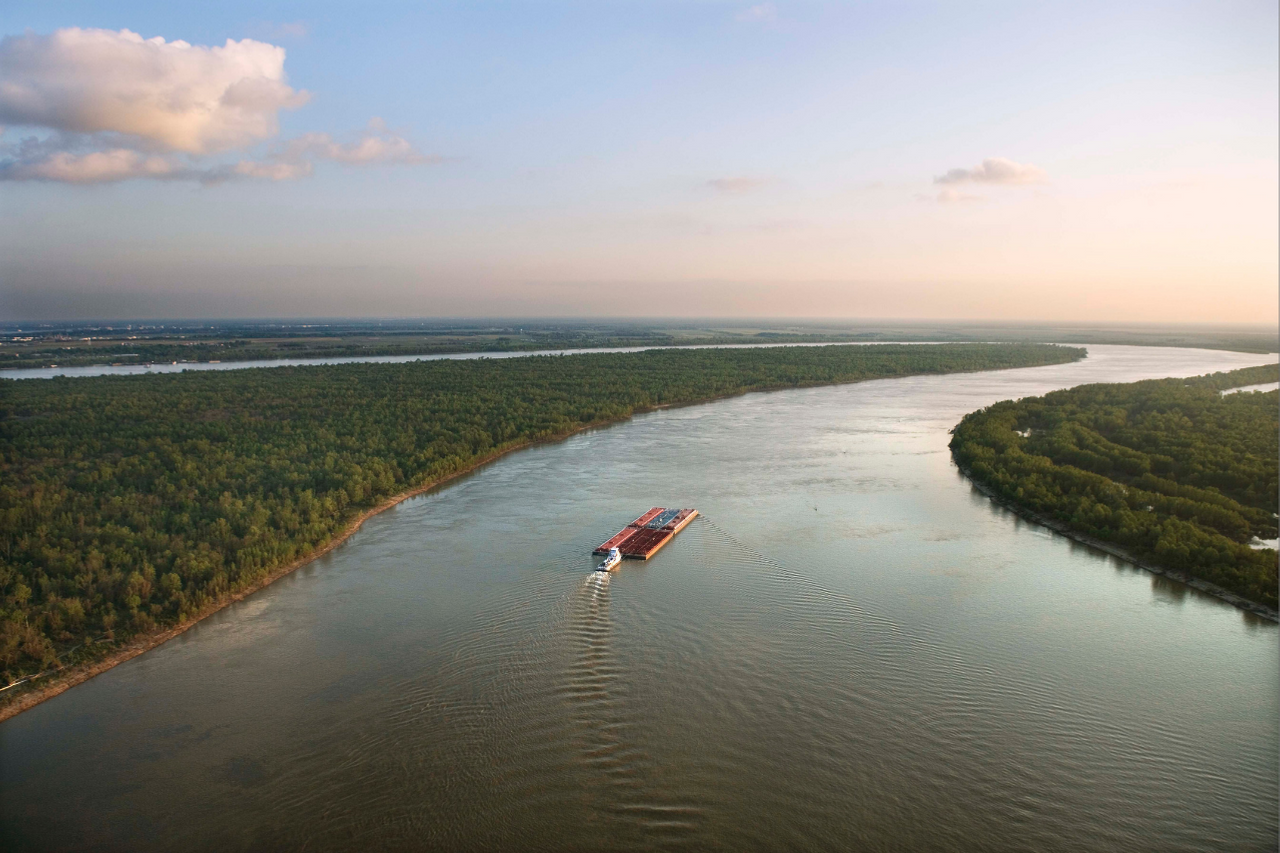
The story of the Mississippi River’s name is inextricably linked to its profound significance throughout history. From the earliest Native American settlements to the era of westward expansion, the river has been a lifeblood for communities, a stage for historical events, and a source of inspiration for art and literature.
A Lifeline for Indigenous Cultures
Long before European arrival, the Mississippi River was a central element of Native American life. Tribes like the Cahokia (known for the monumental earthwork structures near modern-day St. Louis), the Natchez, and many others thrived along its fertile banks. The river provided abundant fish, water for agriculture, and a natural highway for trade and communication. The very concept of the “Great River” was woven into their spiritual beliefs and their understanding of the world. Their stories, traditions, and way of life were shaped by the river’s rhythm and bounty.
The Dawn of European Exploration and Settlement
The arrival of European explorers marked a dramatic shift in the history of the Mississippi River. Hernando de Soto is often credited with being the first European to document encountering the river in 1541, though his expedition did not establish settlements. It was the French, however, who truly engaged with the river’s potential. René-Robert Cavelier, Sieur de La Salle, claimed the entire Mississippi River basin for France in 1682, naming it “La Louisiane” in honor of King Louis XIV. This act set the stage for French colonization and the establishment of settlements like New Orleans, a city that would become synonymous with the river’s charm and cultural heritage. The French reliance on the indigenous name underscored its inherent accuracy and widespread recognition among the local populations.
The Engine of American Expansion and Commerce
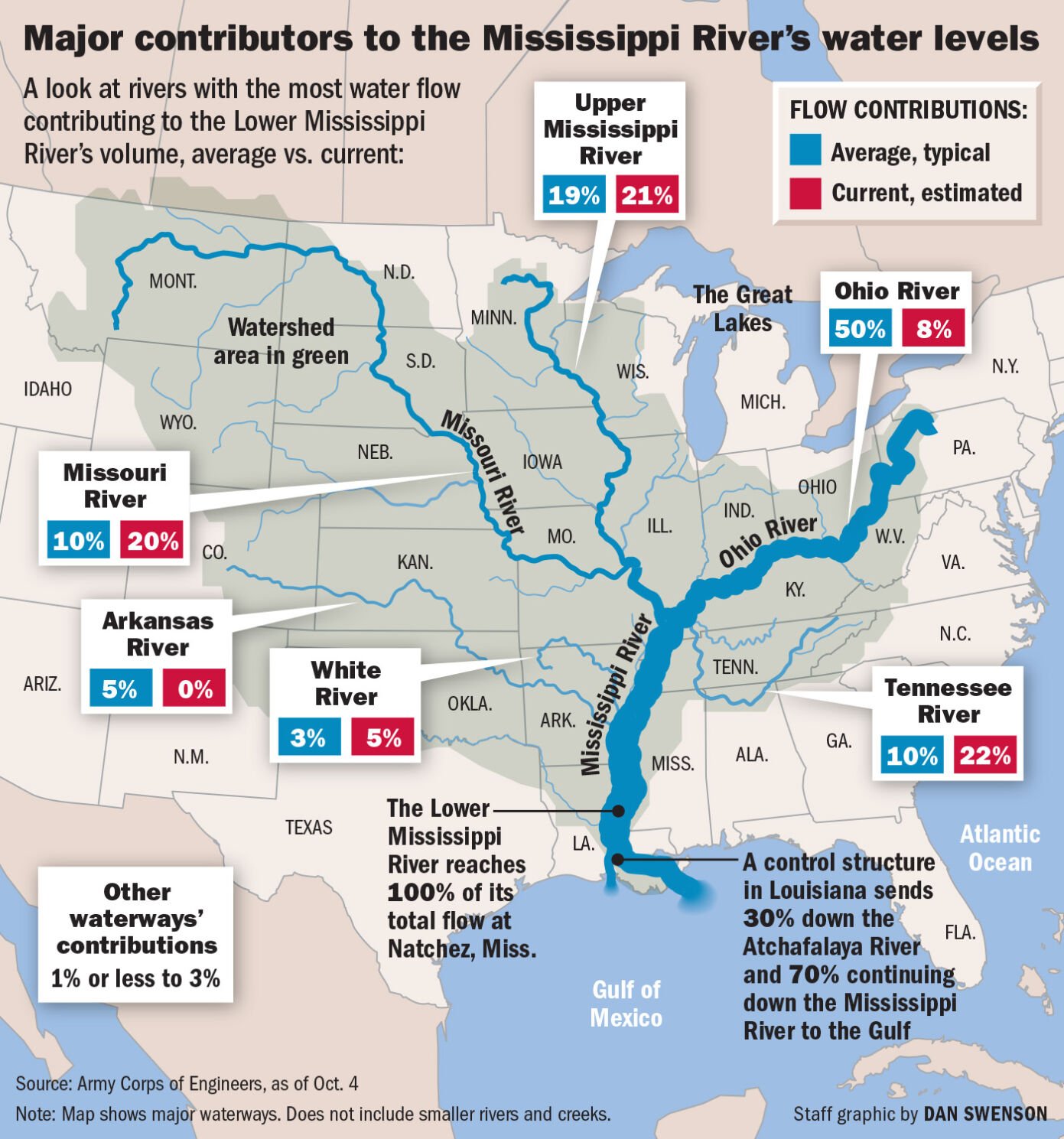
Following the Louisiana Purchase in 1803, the United States gained control of the entire Mississippi River. This acquisition was a pivotal moment, unlocking immense opportunities for westward expansion and economic development. The Mississippi River became the primary transportation route for goods and people moving across the continent. The iconic image of the steamboat, immortalized in literature and film, represents this era of bustling commerce and the river’s central role in connecting the nation. Cities like St. Louis, Memphis, and New Orleans flourished as vital port cities, their growth fueled by the river’s relentless flow and the trade it carried.
A Symbol of American Identity and Culture
Beyond its economic and strategic importance, the Mississippi River has become a powerful symbol of American identity. It has inspired countless works of art, literature, and music, from the haunting melodies of blues musicians in the Delta to the sweeping narratives of authors like Mark Twain. The river’s dual nature – its capacity for both destructive floods and life-sustaining flow – mirrors the complex character of the nation it traverses. Its name, originating from the ancient tongues of the Native Americans, serves as a constant reminder of the deep historical layers that lie beneath the surface of modern America.
The legacy of the name “Mississippi” is a profound testament to the enduring power of indigenous languages and the importance of respecting the heritage of those who first understood and named the natural world. It’s a name that carries the weight of centuries, a whisper from the past that continues to resonate as strongly today as it did when the Ojibwe first looked upon their “Great River.” Whether you are exploring its vibrant port cities like New Orleans or experiencing its natural beauty on a scenic cruise, the name Mississippi connects you to a rich tapestry of history, culture, and the very spirit of America.
LifeOutOfTheBox is a participant in the Amazon Services LLC Associates Program, an affiliate advertising program designed to provide a means for sites to earn advertising fees by advertising and linking to Amazon.com. Amazon, the Amazon logo, AmazonSupply, and the AmazonSupply logo are trademarks of Amazon.com, Inc. or its affiliates. As an Amazon Associate we earn affiliate commissions from qualifying purchases.