
The pursuit of a California Class A Commercial Driver’s License (CDL) is more than just obtaining a permit; it’s a gateway to a distinct and often rewarding lifestyle. For many, it signifies the open road, independence, and a stable career that allows one to traverse the diverse landscapes of the Golden State and beyond. This comprehensive guide delves into the intricate process of acquiring this esteemed license, framing it within the broader context of the unique lifestyle it enables.
Embracing the Open Road: Why a Class A CDL Shapes Your Lifestyle
A Class A CDL opens doors to a career path characterized by movement, responsibility, and the freedom to operate some of the largest vehicles on the road. It’s a calling for those who thrive on autonomy and enjoy a dynamic work environment far removed from a traditional office setting.
The Allure of Professional Driving
The life of a professional truck driver is inherently tied to travel. While it’s business travel, it offers an unparalleled opportunity to see vast stretches of the country, experience different regional cultures, and witness breathtaking scenery from the driver’s seat of a big rig. For many, this profession isn’t just a job; it’s a way of life that values self-reliance and the satisfaction of delivering essential goods. The rhythm of the road, the camaraderie with fellow drivers, and the challenge of navigating diverse conditions all contribute to a unique personal and professional narrative. It’s a lifestyle where your office is constantly changing, and every day brings new horizons, whether you’re transporting produce from the fertile Central Valley or industrial equipment across the Mojave Desert. This sense of purpose and the tangible impact on the economy provide a profound sense of satisfaction.
Economic Empowerment and Stability
Beyond the allure of travel, a Class A CDL is a powerful tool for economic empowerment. The demand for qualified commercial drivers remains consistently high, ensuring job stability and competitive earning potential. This career path often comes with robust benefits packages, including health insurance, retirement plans, and paid time off, which are crucial for building a secure future and supporting a desired lifestyle. The financial independence gained from a professional driving career allows individuals to pursue personal goals, provide for their families, and invest in their passions. Whether it’s saving for a dream home, funding educational opportunities, or simply enjoying a comfortable standard of living, the economic stability offered by a CDL can be transformative. Furthermore, the flexibility in choosing between local, regional, or long-haul routes allows drivers to tailor their work-life balance to suit their individual needs, impacting their personal lifestyle choices significantly.
Navigating the Prerequisites: Your Foundation for a CDL Journey
Before you can even dream of getting behind the wheel of a commercial vehicle, there are fundamental requirements and steps that must be meticulously followed. These prerequisites are designed to ensure that all aspiring drivers possess the basic qualifications for safety and compliance.
Meeting California’s Eligibility Criteria
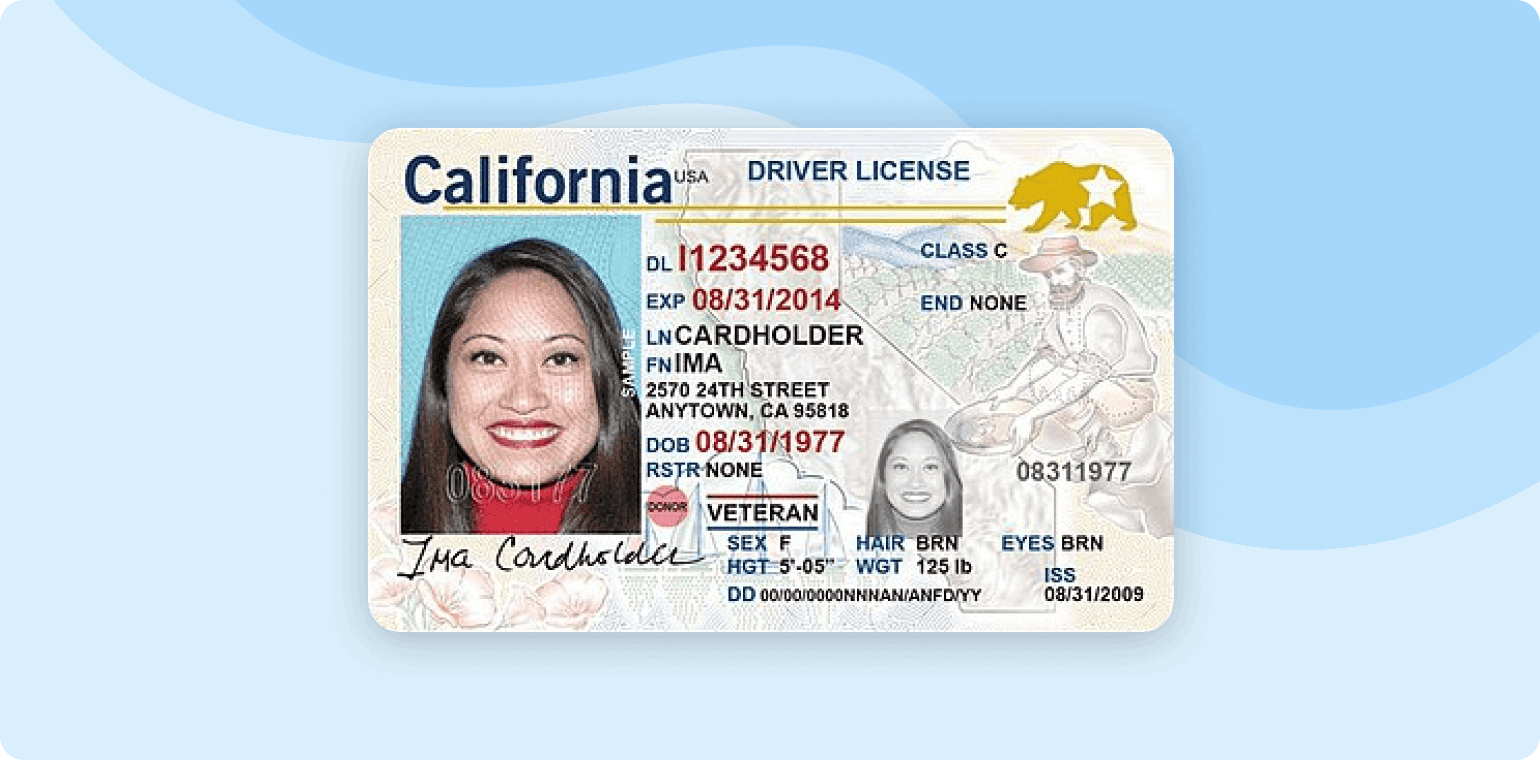
The journey to obtaining a California Class A CDL begins with meeting specific eligibility requirements. Applicants must be at least 18 years old to drive within California and 21 years old to drive across state lines (interstate commerce) or to transport hazardous materials. A valid California Class C driver’s license is also a fundamental prerequisite. Furthermore, you must not have any disqualifying convictions on your driving record, as safety is paramount in commercial transportation. This includes serious offenses such as driving under the influence or leaving the scene of an accident. The California DMV (Department of Motor Vehicles) rigorously reviews driving records to ensure that only responsible and safe individuals are granted the privilege of operating commercial vehicles.
The Critical Role of Medical Certification
Before you can take any CDL tests, you must obtain a valid Medical Examiner’s Certificate, often referred to as a DOT medical card. This involves passing a physical examination administered by a certified medical examiner listed on the National Registry of Certified Medical Examiners. The examination assesses various health parameters, including vision, hearing, blood pressure, and general physical condition, to ensure that you are physically capable of safely operating a commercial motor vehicle. The Federal Motor Carrier Safety Administration (FMCSA) sets these standards to minimize health-related risks on the road. Once certified, your medical card must be submitted to the DMV, and it must be kept current throughout your driving career. This ongoing medical vigilance is a core component of the professional driving lifestyle, underscoring the commitment to safety that defines the industry.
Preparing for the Knowledge Tests
With your prerequisites in order, the next hurdle is the written knowledge tests. For a Class A CDL, you must pass a general knowledge test, an air brakes test, and a combination vehicles test. These exams cover a wide array of topics, from basic driving principles and safety regulations to specific operational aspects of commercial vehicles equipped with air brakes and multiple trailers. The California CDL Handbook is your primary study resource, available online and at any DMV office. Thorough preparation is essential, as these tests are designed to ensure you possess a foundational understanding of the complexities of commercial driving. Many aspiring drivers also utilize online practice tests and specialized study guides to reinforce their learning. Passing these knowledge tests is not just about memorization; it’s about demonstrating a comprehensive understanding of the rules and mechanics that will govern your new professional lifestyle.
Mastering the Skills: CDL Training and Practical Application
Once the theoretical knowledge is acquired, the journey shifts to hands-on training, where aspiring drivers develop the practical skills necessary to operate large commercial vehicles safely and efficiently. This phase is crucial for building confidence and competence.
Choosing the Right CDL Training Program
Selecting an accredited and reputable CDL training school in California is a pivotal step. These programs provide structured instruction, covering everything from pre-trip inspections to advanced driving maneuvers. A good school will offer a curriculum compliant with FMCSA Entry-Level Driver Training (ELDT) regulations, ensuring you receive comprehensive instruction. Look for schools with experienced instructors, a strong safety record, and a fleet of well-maintained training vehicles. Many schools offer job placement assistance, which can be invaluable when starting your new career. The duration of these programs varies, but they typically involve a combination of classroom instruction and extensive behind-the-wheel training, often ranging from a few weeks to several months. Investing in quality training is an investment in your future lifestyle as a professional driver, equipping you with the skills and confidence to excel on the road.
Behind-the-Wheel Expertise: Mastering the Vehicle Inspection and Driving Test
The practical driving test for a Class A CDL is comprehensive and consists of three parts: a pre-trip inspection, basic vehicle control skills, and a road test. The pre-trip inspection requires you to demonstrate your ability to identify and inspect various components of the vehicle, ensuring it’s safe to operate. This is a critical daily routine for any professional driver, reflecting the immense responsibility they bear. The basic vehicle control skills portion tests your ability to perform maneuvers such as backing, parallel parking, and coupling/uncoupling a trailer. Finally, the road test assesses your driving abilities in real-world traffic conditions, including shifting gears, turning, lane changes, and adherence to traffic laws. Mastering these skills requires dedication, practice, and the guidance of experienced instructors. Passing this rigorous test signifies your readiness to embrace the challenging yet rewarding lifestyle of a commercial driver.
Endorsements for Specialized Lifestyles
Depending on the type of freight you wish to haul and the specific driving lifestyle you envision, you may need to obtain additional endorsements. Each endorsement requires passing a separate knowledge test, and some, like the passenger or school bus endorsements, may also require a skills test. Common endorsements for a Class A CDL include:
- Tanker (N endorsement): For transporting liquids or gases in tanks. This often means specialized routes and handling.
- Hazardous Materials (H endorsement): For carrying hazardous materials, requiring a background check and stricter regulations. This opens up lucrative but highly regulated opportunities.
- Doubles/Triples (T endorsement): For pulling multiple trailers, a skill set that allows for higher capacity hauls.
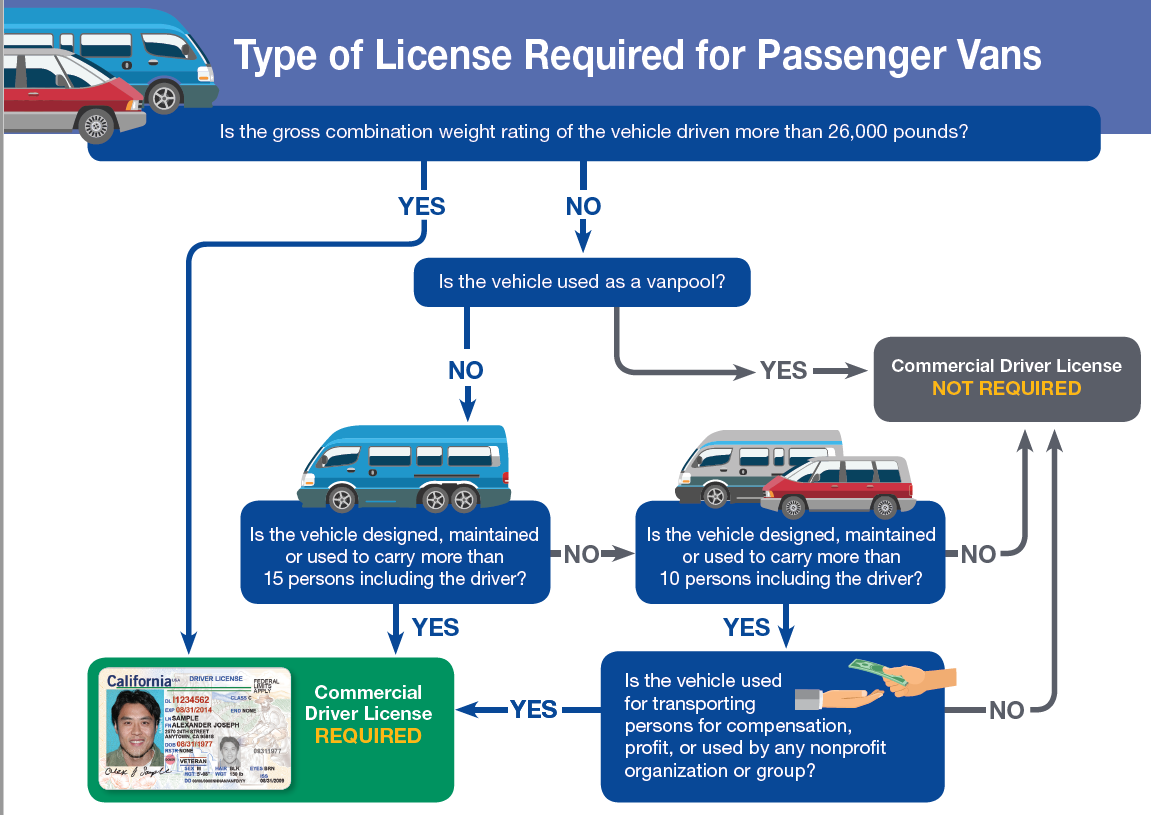
- Passenger (P endorsement): While typically for Class B, a Class A with a P endorsement allows driving combination vehicles designed to transport 16 or more passengers (e.g., articulated buses).
These endorsements expand your career possibilities and allow you to specialize, tailoring your professional life to specific niches within the trucking industry. For instance, a hazardous materials endorsement can lead to a very specific and high-demand type of driving lifestyle.
The Final Steps: Licensing and Launching Your Driving Lifestyle
After successfully navigating the training and testing phases, the final steps involve formalizing your license and embarking on your new professional journey. This transition marks the official beginning of your Class A CDL lifestyle.
Completing Your Application at the DMV
With all tests passed and documentation in hand, your final stop is the California DMV. You will submit your application, pay the necessary fees, and undergo a final review of your paperwork. The DMV will verify all your qualifications, including your medical certification and test results. Upon successful processing, your Class A CDL will be issued. This moment is the culmination of your hard work and dedication, officially recognizing your ability to operate commercial motor vehicles. While the paperwork might seem like a mere formality, it’s the final gateway to the freedom and responsibility that come with a professional driving career. Cities like Sacramento, Los Angeles, and San Francisco have multiple DMV locations where you can complete this crucial step, ensuring accessibility across the state.
Beyond the License: Launching Your Career and New Lifestyle
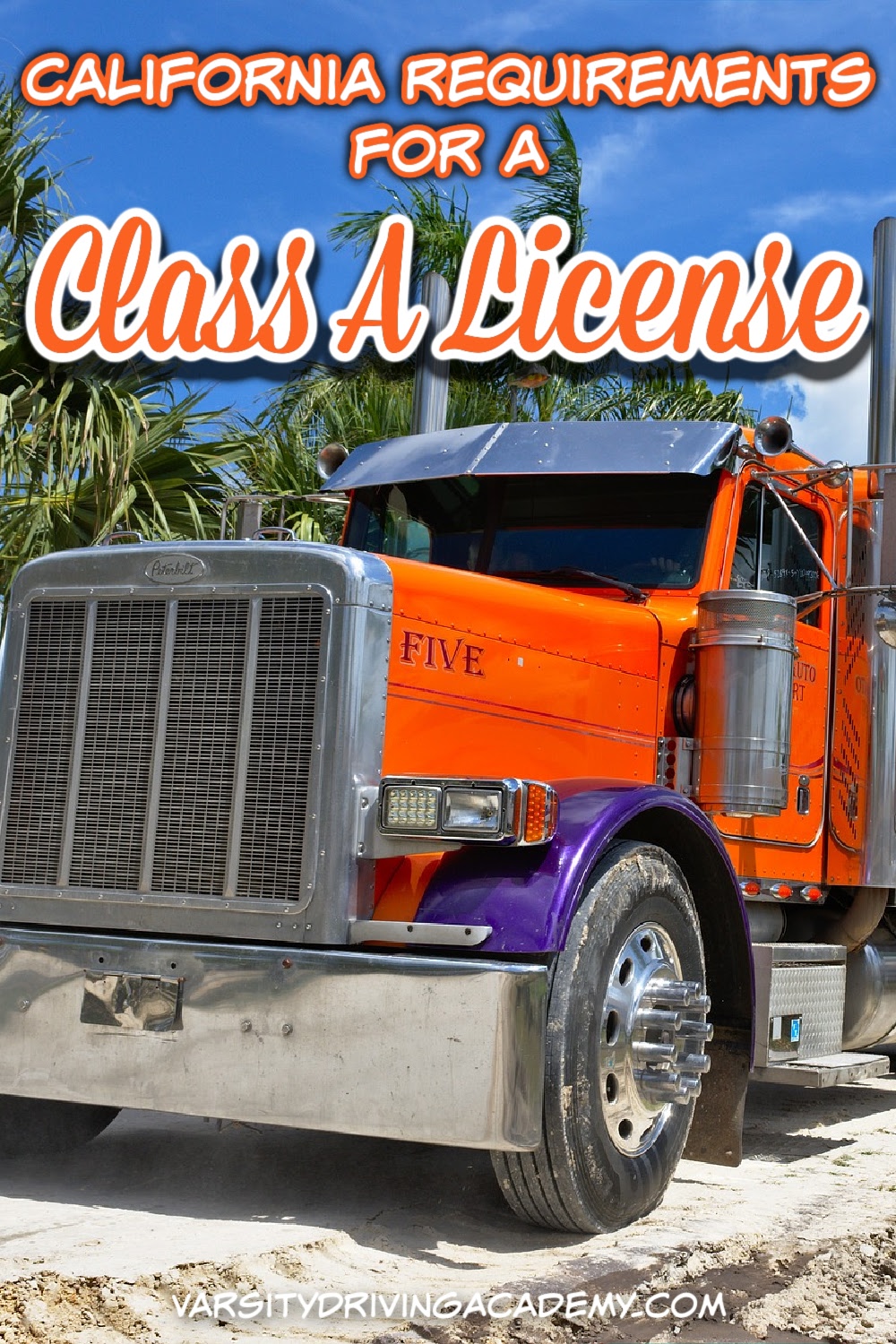
Receiving your Class A CDL is not the end of the journey, but rather the beginning of an exciting new chapter. The next phase involves securing employment, which could be with a large trucking company, a specialized hauler, or even as an independent owner-operator. Many companies actively recruit newly licensed CDL holders, offering training programs and mentorship opportunities to ease the transition into full-time driving.
The industry outlook for commercial drivers remains strong, especially in a bustling economic hub like California, with its major ports in Los Angeles, Long Beach, and Oakland. Adapting to life on the road involves managing your time, understanding hours-of-service regulations, maintaining communication with dispatch, and embracing periods away from home. It’s a lifestyle that demands discipline, resilience, and a love for the open road. Continuous learning, staying updated on regulations, and prioritizing safety will be key to a long and successful career that truly defines a unique and independent lifestyle. Your Class A CDL is more than a license; it’s your ticket to a dynamic professional life that offers freedom, challenges, and the continuous opportunity to explore.
LifeOutOfTheBox is a participant in the Amazon Services LLC Associates Program, an affiliate advertising program designed to provide a means for sites to earn advertising fees by advertising and linking to Amazon.com. Amazon, the Amazon logo, AmazonSupply, and the AmazonSupply logo are trademarks of Amazon.com, Inc. or its affiliates. As an Amazon Associate we earn affiliate commissions from qualifying purchases.